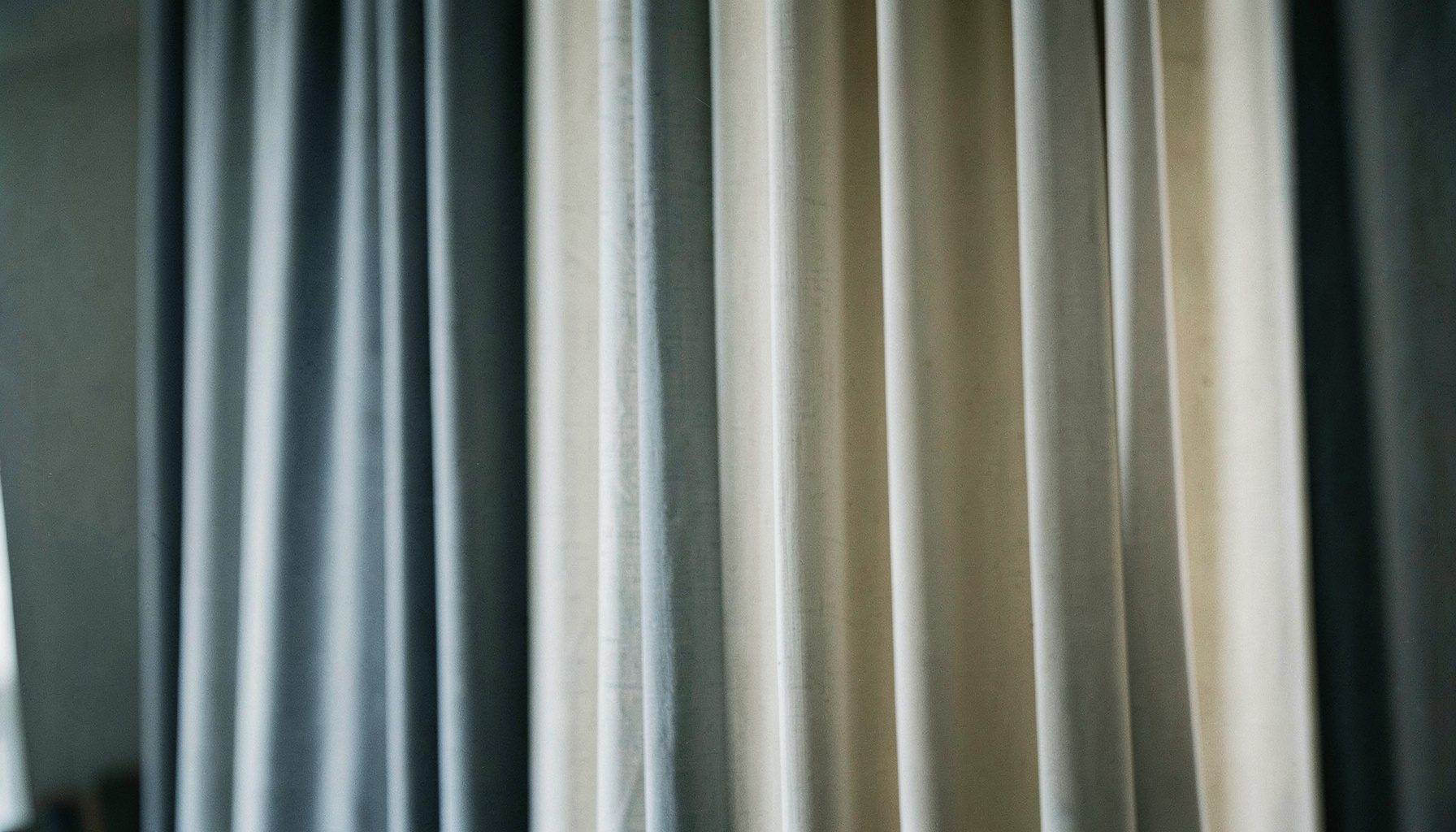
The difference between boutique and traditional pinch pleat drapery
Pinch pleat curtains bring a tailored, architectural finish to a room. Their evenly gathered folds remain structured from the heading to the hem, making them suitable for formal living rooms, bedrooms, dining areas, and commercial interiors. The key difference between boutique and traditional versions is less about the pleat itself and more about proportion, fabric, fullness, lining, and finishing details.
For Australian homes, those details matter. Bright Queensland sun, cool Melbourne winters, coastal humidity in Sydney, and compact apartment windows all influence the right drapery specification. Custom-made panels can be measured in centimetres, shaped for unusual windows, and finished with insulation or blackout layers suited to local conditions.
What defines a traditional pinch pleat
Traditional pinch pleat drapery usually features three-finger or five-finger pleats sewn at regular intervals across the heading. The folds begin below the track or rod, creating a neat band of fabric that stacks evenly when the curtains are open. This style works especially well with classic furniture, timber floors, heritage homes, and formal entertaining areas.
A conventional treatment often uses heavier materials such as velvet, damask, linen blends, or lined cotton. The extra weight helps the pleats hold their shape and gives the room a substantial appearance. In a Federation house in Sydney or a renovated Queenslander in Brisbane, this fuller treatment can complement high ceilings and detailed architraves.
How boutique pleats create a softer look
Boutique pinch pleat curtains reinterpret the traditional heading with more decorative freedom. They may use wider spacing, a slimmer band, relaxed fullness, contrast edging, patterned fabric, or a contemporary lining. Some boutique designs combine the tailored pleat with lightweight linen, textured cotton, or a muted neutral palette.
This approach suits modern Australian interiors where residents often favour layered textures over heavy ornament. In a Melbourne apartment, for example, a softly structured pleat in oat, stone, or warm grey can frame a window without overwhelming limited floor space. A decorative rod, discreet track, or return can further change the overall impression.
The choice of lining affects privacy, fading, temperature, and the way the folds fall. A carefully selected drapery lining guide explains why the inner layer deserves as much attention as the face fabric, especially beside north- and west-facing glass.
Fullness, fabric and installation details
Traditional pinch pleats generally appear richest when the fabric has generous fullness. Boutique treatments may use the same fullness or reduce it for a cleaner profile, depending on the textile and the amount of stacking space available. Lightweight sheer fabric can need different calculations from a dense wool blend, so copying a ready-made curtain measurement can produce disappointing results.
Australians also need to account for metric dimensions, sliding doors, plantation shutters, air-conditioning vents, and balcony access. In coastal homes, washable or moisture-tolerant fabrics may be practical, while blackout interlining can help children’s bedrooms and shift workers sleep through bright mornings. For rental properties, a track mounted inside the reveal may be preferable to a prominent decorative pole.
Online purchases also benefit from checking delivery terms and retailer details, just as shoppers do when comparing specialty online retailers for other household and lifestyle purchases. Fabric samples, written specifications, and clear workmanship policies are useful indicators of a dependable custom supplier.
Matching the style to Australian interiors
Boutique pinch pleats are often the better choice for minimalist rooms, open-plan layouts, and contemporary coastal homes. A restrained fabric with a narrow pleat can soften large expanses of glass while preserving clean lines. This minimalist curtain advice can help coordinate colour, texture, and hardware without making the window feel visually busy.
Traditional pleats remain effective where the room calls for symmetry and ceremony. They suit dining rooms, libraries, hotel lounges, schools, healthcare facilities, and resort interiors that need a durable, repeatable window treatment. In commercial projects, flame performance, cleaning requirements, consistent dye lots, and dependable installation may be more important than decorative variation.
A practical comparison before ordering
Both versions can be custom-made, insulated, blackout, or paired with a decorative curtain rod. The right selection depends on the room’s architecture, daylight exposure, furnishings, and how often the curtains will be opened and closed.
Useful points to compare include:
- Pleat spacing and overall fullness
- Fabric weight, texture, and pattern scale
- Blackout, thermal, or standard lining
- Track, rod, return, and stack-back requirements
Australian homes also require attention to safety and durability. Internal window covering cords and chains must meet applicable Australian mandatory safety requirements, particularly in homes with young children. A professional measuring and installation process can reduce hazards while ensuring the hem clears flooring, heating vents, and sliding-door tracks.
Before finalising the design, check these practical details:
- Measure the window in centimetres at several points
- Order fabric samples in the room’s natural light
- Allow for full curtain stack-back
- Confirm cleaning, warranty, and delivery information
The best boutique or traditional pinch pleat treatment is one that balances appearance with performance. Order samples, review the lining and hardware options, and use precise measurements to create custom drapery that suits your Australian home or commercial space.