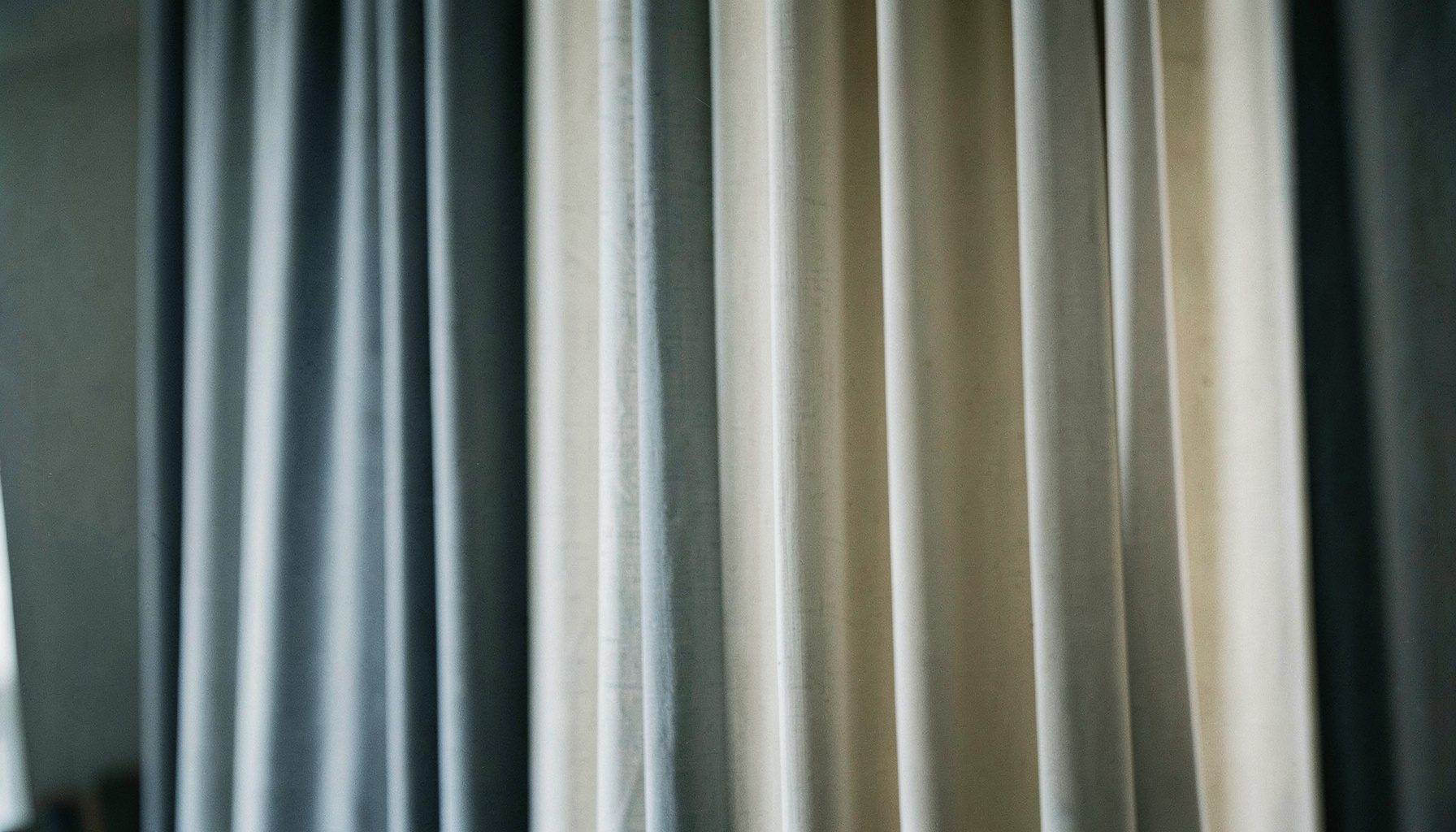
A guide to pinch pleat curtains: styles and hanging tips
Pinch pleat curtains turn straight panels into evenly spaced, rounded folds, giving a tailored look without the bulk of gathered fabric. The pattern comes from a sewn heading tape, so accurate measurements and careful dressing determine whether the result feels crisp, soft or decorative.
They work well in relaxed family rooms as well as formal offices, and custom sizing makes them practical for unusual windows. Factory Direct Drapes offers made-to-order panels, fabric samples, decorative rod options and installation guidance for homes and commercial projects.
Australian conditions add another layer. West-facing rooms in Sydney, Melbourne and Brisbane can become hot in summer, while Brisbane’s humidity and coastal salt air can affect delicate textiles. Lining, blackout fabric and UV-filtering options may therefore matter as much as colour.
A good result begins with the heading type, finished dimensions, track or rod and room use. Those choices help shoppers compare ready-made pieces with the Australian market’s made-to-measure specialists while checking statutory rights under the Australian Consumer Law and any written warranty.
How the heading tape creates its shape
Most pinch pleat headings use a cartridge or sewn tape fitted with small hooks or rings. When the panel is hung, each hook forms the same compressed fold, creating regular vertical lines. Decorative rods can hide the mechanism, while a track keeps the folds aligned across wide or sliding windows.
Fabric weight changes the character. Medium-weight cotton and linen hold a clear fold, whereas velvet or a heavier weave can create a richer, deeper shape. The supplier’s fullness ratio and hook spacing should be matched to the chosen heading rather than estimated from fabric width alone.
Styles for rooms, windows and budgets
Classic pinch pleats suit compact rooms and traditional interiors. French pleats add more fullness and a softer ripple; triple pleats create a pronounced, formal column; knife pleats look flat and architectural. For a decorative effect, consider contrast panels or an ombré transition, drawing on two-tone curtain ideas for colour combinations that still read as one scheme.
Match the style to the window. A straight pole suits symmetrical panels, while a ceiling track works around bay windows or sliding doors. For offices, reception areas and hospitality spaces, restrained folds often look calmer than ornate headings. Custom panels can be sized to the opening and coordinated with a decorative curtain rod.
Choosing fabric for Australian conditions
For Australian homes, consider fabric performance before pattern. Cotton and linen offer light and texture but need careful washing and can fade in strong sun. Polyester blends handle busy rooms well, while lined or blackout cloth helps with heat, glare and early-morning light. Ask for verified UV and coating details instead of assuming a dark colour provides protection.
Commercial drapery also requires documentation. Hotels, schools and healthcare facilities may be governed by Australian Standards and state building or fire-safety rules, so request evidence for any fire-retardant finish or flame-retardant fabric. Acoustic backing can improve privacy in busy rooms, but its effect depends on the fabric and complete system.
Measuring for a made-to-fit result
Measure in centimetres and record the opening width, intended pole or track width, and finished drop. Decide whether the heading will sit above the frame or close to the ceiling; extra drop often looks more generous. Allow space for the curtain to stack without covering a radiator, heater or access point.
Follow the maker’s fullness recommendation for the selected heading. Panels should meet or slightly overlap at the centre, with consistent spacing across every section. Check that the window frame, floor clearance and any furniture will suit the final length, and keep measurements for each different opening.
Compact Australian apartments make spatial planning especially important. A small-space sofa guide illustrates how multifunctional furniture can preserve circulation around a window, a useful principle when curtains and bulky seating share a room. Before ordering, compare the made-to-measure service and installation options offered by local curtain retailers, then confirm how the Australian Consumer Law applies to the finished product.
Hanging and dressing the curtains
Use fixings suited to the wall and the curtain’s weight; plasterboard, masonry and tiled surfaces each need suitable anchors. For high ceilings, heavy velvet, motorised tracks or commercial spans, a qualified installer is the safer choice. Follow the supplied instructions for hook spacing and leave enough room to dress the panels.
To dress the folds, begin at the centre or one end and attach each hook to its matching point in the heading. Smooth the panel with light steam where appropriate, adjust crooked pleats gently, and avoid pulling one section farther than another. Leave the panels overlapping slightly when closed and draw them back fully to test the stack.
A practical checklist for a polished finish
A short check before ordering prevents costly corrections:
- Compare fabric samples in morning and evening light, not just beside a window.
- Confirm the heading style, finished width and drop in writing.
- Match the track or rod to the panel’s hook type and weight.
- Allow for the centre overlap and the width of the stacked panels.
- Check care instructions, fire documentation and the workmanship warranty.
- Arrange professional installation for high, heavy or commercial installations.
After installation, vacuum gently and clean according to the fabric code. Rotate panels periodically in sunny rooms, inspect hooks and tension, and avoid repeated washing of lined curtains. Prompt care protects both the pleats and the track.
Create an evenly folded, made-to-fit treatment with Factory Direct Drapes. Request fabric samples, explore blackout and insulated options, use the measuring guidance and virtual room designer, and choose a heading and decorative rod for your space. The team can also help with commercial drapery, and the range includes a lifetime workmanship warranty.