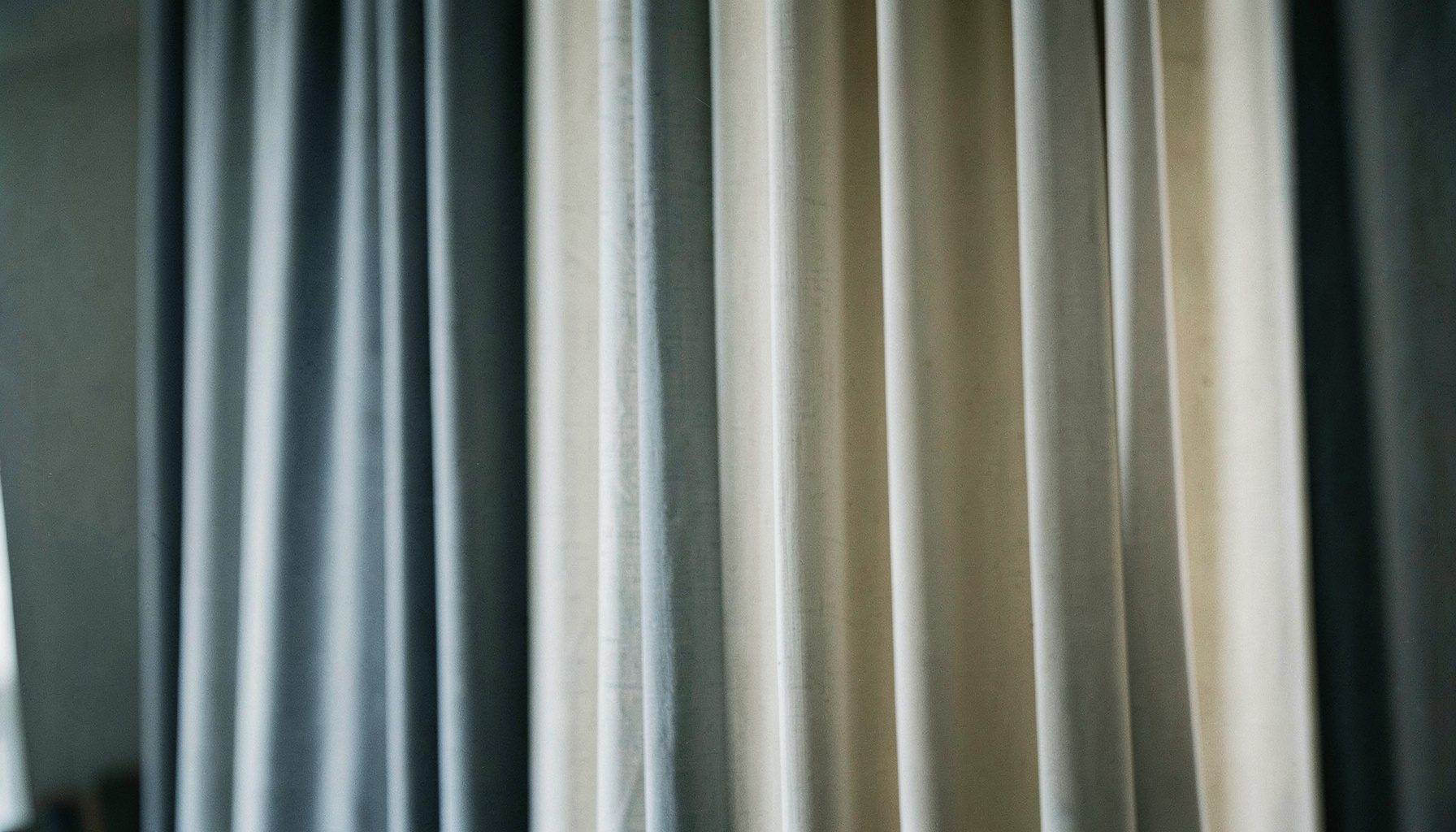
How to Decorate with Two‑Tone or Ombre Curtain Panels
Two-tone and ombre curtain panels can make a window feel wider, taller or more layered without adding busy furniture. A two-tone design pairs distinct colours in one panel or uses two complementary panels, while an ombre moves through closely related shades or a graded print. Both ideas rely on a controlled colour story, but one creates definition and the other a softer transition.
Start with the room rather than the swatch. Note where daylight enters, which wall colours remain visible and whether the curtains are the main feature or a background to artwork, shelving or a view. This matters in Australian homes, where large glazed living areas and sliding doors are common in apartments and renovated houses from Sydney to Brisbane.
Measure before choosing fabric. Record the rod or track position, window width, drop and space available for stacked panels. Custom sizing makes the difference between a deliberate two-tone composition and two colours that simply meet in the middle. Request samples, compare them in morning and evening light, and check care, opacity and installation requirements before ordering.
Decide Between Contrast and Gradation
Two-tone window treatments are best when the colour change has a purpose. A vertical split can brighten one side of a room, while two coordinated panels can frame the view as a deliberate pair. In patterned rooms, keep the stronger print on one side and balance it with a quieter panel on the other.
Ombre curtains create movement through gradual transitions, making them especially effective on wide windows, curved tracks and deep window seats. Their colour shifts should remain close enough to feel connected; jumps between unrelated hues can look busy rather than blended. Choose an ombre whose darkest note repeats elsewhere in the room, such as in a cushion, rug or wall artwork.
Build a Palette Around the Room
A two-tone or ombre scheme begins with proportion, not simply colour. Pair one feature shade with a supporting neutral, or distribute three related tones across a wall. Warm creams, soft greys and charcoal suit many contemporary Australian interiors, while sandy tones can complement brick, timber and native-leaf greens.
For rooms filled with strong daylight, test every option under real conditions. Pale fabrics may reflect cool morning light and turn warm near a west-facing window, while deep tones can make the same fabric look almost black. Checking samples on the actual wall reveals whether a bold combination feels energetic, calm or overwhelming.
Before colours are narrowed further, browse interior styling inspiration for combinations and observe how contrast, texture and scale work together. Place your preferred swatches beside the existing flooring and furniture, since a screen’s brightness and colour balance can be misleading.
Match Fabric Behaviour to the Window
Fabric weight determines whether a panel hangs in soft folds or forms crisp architectural pleats. For a two-tone design, using the same base cloth in two shades keeps the silhouette consistent. For an ombre, check that colour variation does not disguise unwanted creases or transparency. A fabric drape guide can help compare these effects before choosing a material.
Lightweight voiles and sheer blends suit layered windows and soft filtered views. Medium-weight cotton or linen blends create clearer folds, while heavier fabrics provide a more structured look. In open-plan rooms in Brisbane or Melbourne, substantial panels can visually anchor a large sofa and balance expansive glazing.
Insulated and blackout options should be selected for function before pattern. Australian summers can be bright, while Melbourne’s variable days may call for warmth in winter and heat control in summer. A lined panel can soften glare and improve privacy, but it also needs enough length and a suitable track to hang cleanly.
Coordinate Scale, Rods and Layering
Panel width should be generous relative to the window rather than treating a slim opening as if it were a wall. In Australian homes, the “Australian drop” commonly places the heading close to the ceiling and lets the curtain fall to the floor, lengthening the apparent room and reducing gaps beside the glass.
Layering allows one treatment to serve several purposes. Hang a sheer or voile behind a decorative ombre panel, then add a blackout layer closest to the window where privacy matters. Repeat the same combination throughout a room rather than introducing an unrelated fabric at every window, which can make a planned two-tone scheme feel accidental.
Choose rods and tracks that continue the room’s horizontal lines and allow panels to open fully without striking furniture. Decorative rods can echo brass fittings or dark timber elsewhere, but their finish should remain quieter than a bold curtain print. A tailored valance can conceal the heading without hiding the main drape.
Create a Cohesive Finished Look
A final visual check should include the view from the doorway and the curtains closed, since a scheme can look balanced from one angle and top-heavy from another. Photograph the window in daylight, with lamps on and from adjoining rooms to check colour consistency and the amount of light entering.
Quality also matters in a custom order, where matching weave, lining and finished edges shape the overall look. The Australian Consumer Law provides protections for goods supplied in Australia, while a lifetime workmanship warranty adds confidence in the construction. This is especially useful when ordering for a whole home or coordinating drapery across multiple rooms.
Start with the room measurements and a set of fabric samples, then use the measuring guidance and virtual room designer to test the combination before production. Factory Direct Drapes can customise the panels, lining, drop and rod treatment to suit your layout, with support available for the details that affect the finished result. Order your samples and build a two-tone or ombre scheme designed to fit the room, its light and the way you live.