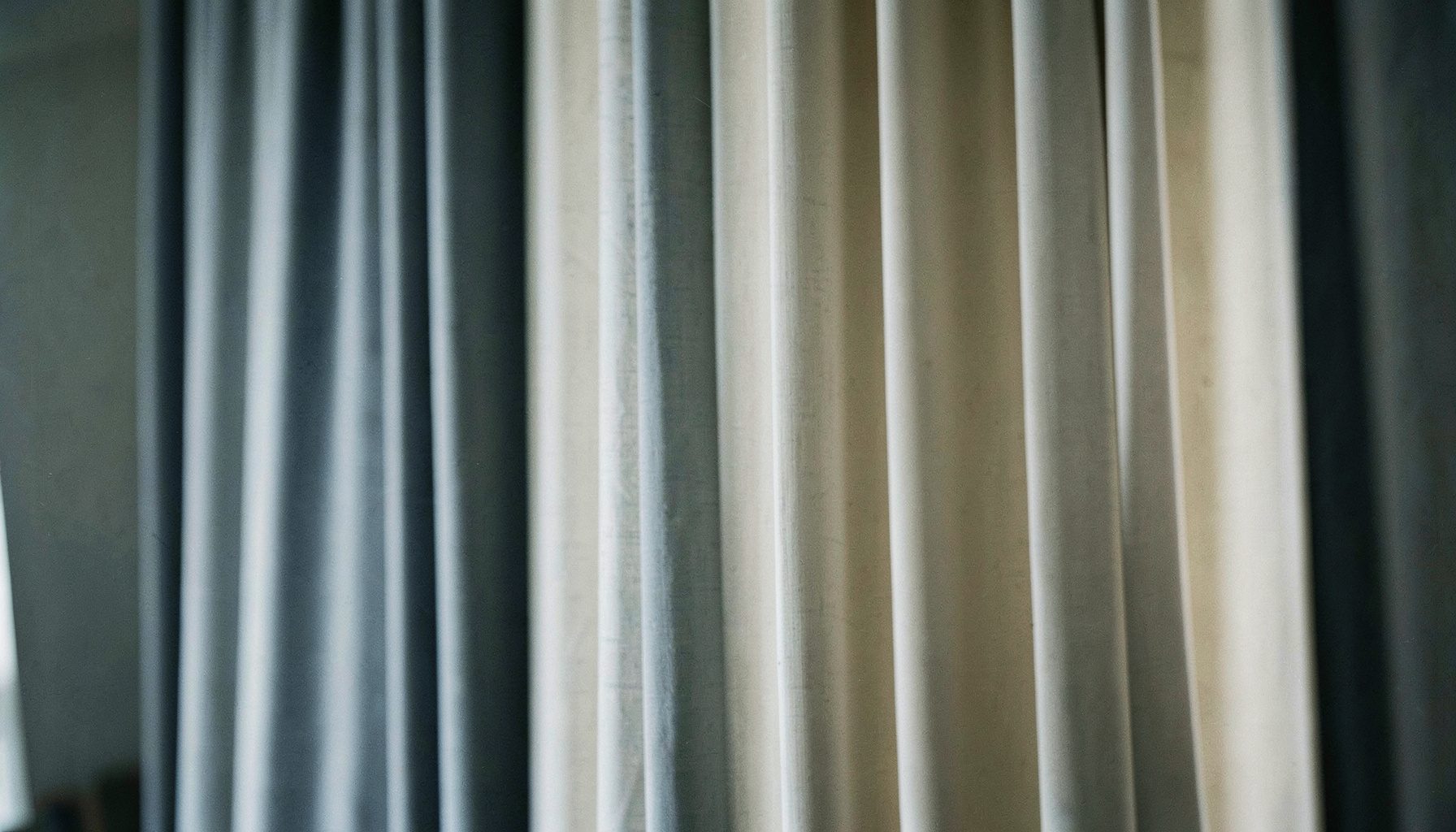
Understanding Fabric Weight and Drape for Different Windows
Fabric weight and drape shape the way curtains hang, move, filter sunlight and affect the atmosphere of a room. A lightweight voile can soften a bright window without blocking the view, while a dense lined textile can improve privacy, insulation and sleep quality.
The right choice depends on more than colour. Window size, glass orientation, room function, ceiling height and the amount of fullness all influence how a finished treatment looks. Fabric construction matters too: a medium-weight linen may feel more relaxed than a similarly heavy polyester because its fibres fold and settle differently.
Australian homes present some specific considerations. Strong northern light, humid coastal weather, cool Melbourne winters and compact Sydney apartments can all call for different window solutions. Understanding how cloth behaves makes it easier to order made-to-measure drapes that look polished and perform well throughout the year.
What fabric weight tells you
Fabric weight usually refers to how much material is used in a given area, often measured in grams per square metre (GSM). Lightweight fabrics such as voile, sheer polyester and fine cotton tend to transmit more light and create softer, less structured folds. They suit layered window treatments, living areas and rooms where daylight is welcome.
Medium-weight fabrics offer a useful balance of privacy, movement and visual presence. Cotton blends, linen-look fabrics and lighter upholstery textiles can frame a window attractively without making it feel enclosed. Heavy fabrics, including velvet, jacquard and tightly woven insulated materials, produce deeper pleats and stronger visual definition.
Weight alone does not determine performance. A loosely woven heavy fabric may allow more light through than a tightly woven medium-weight cloth. Lining, interlining and blackout backing can add body, reduce fading and improve thermal control without changing the face fabric.
Reading the way fabric drapes
Drape describes how fabric falls, folds and responds to movement. Fluid materials form relaxed ripples and suit pinch pleats, wave headings or simple gathered styles. Crisp fabrics hold a clearer shape, which can work well with tailored pleats, board-mounted valances and formal spaces.
A large window usually benefits from a textile with enough weight to prevent a flimsy appearance across a broad span. Floor-to-ceiling curtains can also use medium or heavy cloth to create long, continuous lines. For narrow windows, a lighter fabric may prevent the treatment from overwhelming the wall.
The heading and fullness change the final result. Extra fullness creates richer folds and requires more fabric, while a flatter panel looks cleaner and uses less material. A professional measuring guide can help account for the track or rod, stack-back space and desired finished length.
Choosing fabric for Australian light and climate
South- and west-facing windows can receive intense afternoon sun, particularly in Perth, Adelaide and parts of Queensland. A lined or coated drape helps limit glare and fabric fading, while a sheer layer preserves daylight. In tropical and subtropical areas, breathable face fabrics paired with practical lining can support privacy without making rooms feel heavy.
In cooler regions such as Canberra and Melbourne, thermal lining can reduce draughts around glass and make bedrooms or living rooms more comfortable. Many households open windows and use ceiling fans for part of the year, so a fabric that moves easily and does not trap excessive heat may be preferable in frequently ventilated rooms.
Kitchen and dining windows need special thought. Fabrics should be positioned away from cooktops, sinks and moisture, with washable or easy-care options preferred where splashes are likely. If a sunny kitchen also supports herbs or vegetables, browsing Australian gardening ideas can help coordinate window shading with plant light requirements.
Matching weight to window style
Bay windows, corner windows and wide sliding doors often need a coordinated arrangement rather than a single panel. Medium-weight drapery can follow the architectural line while remaining manageable to open. For sliding doors, make sure the stack does not obstruct the passage or reduce access to balconies and outdoor areas.
Small windows can appear larger when curtains extend beyond the frame and hang close to the ceiling. A controlled, medium-weight fabric creates enough structure to emphasise the vertical line without making the room look crowded. For more ideas about proportion and placement, these techniques can help make a small room larger.
Sheers are useful when the priority is daylight, privacy during the day and a sense of openness. Pairing sheers with lined side curtains gives greater control at night, especially in apartments where neighbouring buildings are close. In bedrooms, blackout lining is usually more effective than relying on a heavy unlined fabric alone.
Practical selection checklist
Before choosing a fabric sample, consider how the window is used, where the sun falls and how much clearance is available around furniture, heaters and doors. A sample viewed in morning and afternoon light will reveal changes in colour, transparency and texture that may not be obvious on a screen.
Commercial projects require further checks for durability, cleaning, fire performance and consistent installation. Hotels and resorts may need coordinated treatments across many rooms, while schools and healthcare facilities often prioritise robust operation and safe hardware. A detailed commercial drapery guide can support specification decisions for larger properties.
Useful selection priorities include:
- Choose sheer or lightweight cloth for daylight, airflow and a relaxed finish.
- Select medium-weight fabric for versatile living areas and most standard windows.
- Use lined or blackout drapery where glare, heat, privacy or sleep control matters.
- Check fabric care, fading resistance and moisture suitability before ordering.
- Follow Australian cord-safety requirements and keep operating cords away from children.
Custom-made drapes allow fabric weight, lining, heading style and dimensions to work together rather than forcing a ready-made compromise. Request samples, measure carefully and review how the material folds before committing to a full order. Factory Direct Drapes can help turn those practical requirements into window treatments made for the room, so begin by comparing fabrics and planning the finish that best suits your Australian home or project.