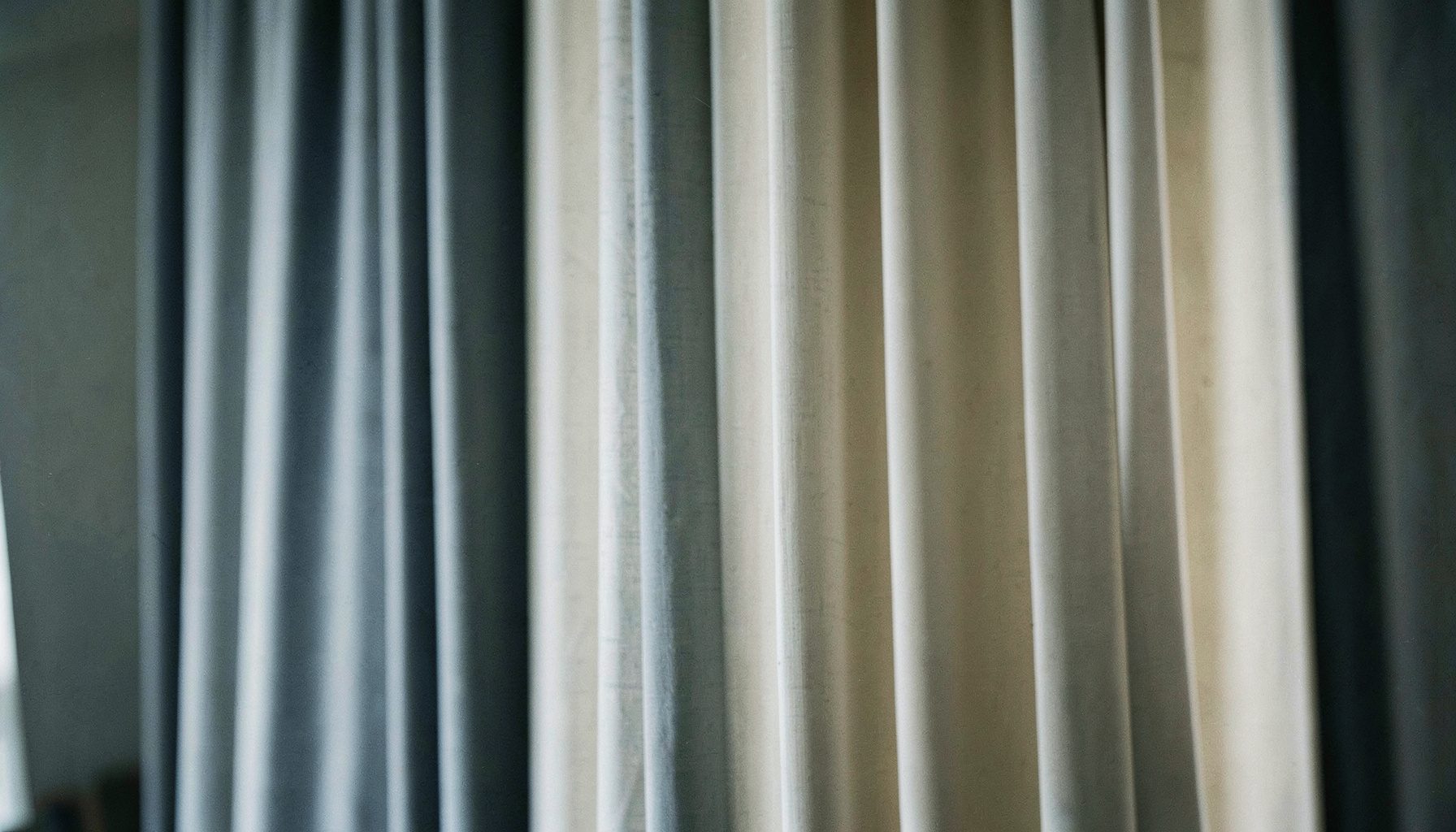
Using Drapes to Make a Small Room Look Larger
A compact room can feel surprisingly open when its window treatments are chosen with care. Drapes influence the eye’s sense of height, width, light and continuity, so the right fabric and hanging position can transform a cramped living room, bedroom or dining area.
For Australian homes, this matters in inner-city apartments, narrow terrace houses and small coastal units where every square metre counts. In Sydney and Melbourne, tall windows and limited floor space often benefit from full-length curtains that draw attention upwards rather than towards a crowded floor.
The aim is to create softness without visual heaviness. Light-filtering fabrics, generous curtain widths and a restrained colour palette can make a room feel calmer, brighter and more spacious while still providing privacy and insulation.
Factory Direct Drapes offers custom-made curtains, draperies, valances and decorative rods in a wide selection of fabrics. Samples, measuring guidance, room-planning resources and handmade construction make it easier to select a treatment suited to your windows and lifestyle.
Hang curtains higher and wider
Mounting the curtain rod close to the ceiling encourages the eye to travel vertically, making the ceiling appear taller. Positioning the rod several centimetres above the window frame is often enough to create this effect, while a ceiling-mounted track can work especially well in rooms with low or uneven ceilings.
Extend the rod beyond both sides of the window so the fabric stacks against the wall rather than covering the glass. This exposes more of the window when the curtains are open and gives the impression of a broader opening.
Choose a light visual weight
Sheer, voile and lightweight linen-look fabrics allow daylight to pass through, which helps a small room feel airy. Soft whites, warm ivory, pale grey and muted beige can reflect available light without creating a stark appearance.
In Queensland and other sunny areas, look for fabrics with lining options that control glare and heat. A translucent layer paired with a room-darkening drape provides flexibility: gentle daylight during the day and better privacy or sleep conditions at night.
Keep the colour scheme continuous
Curtains that closely relate to the wall colour create fewer visual breaks. This continuous backdrop makes the room appear less segmented, particularly when the window occupies a large section of one wall.
A subtle tonal pattern can add personality without shrinking the space visually. Avoid large, high-contrast motifs in a small room unless the rest of the furnishings are very simple. Matching the drapery tone to a rug, sofa or timber finish can create a coordinated look.
Use full-length panels
Floor-to-ceiling drapes provide a stronger sense of height than short curtains ending beneath the sill. Let the panels finish just above the floor for a crisp contemporary look, or allow a small amount of pooling for a softer decorative style.
Full-length curtains are especially effective in Sydney apartments and Melbourne terrace homes, where vertical lines can offset narrow proportions. They also conceal more of the wall and frame the window as a deliberate architectural feature.
Select rods that reduce clutter
Slim rods and simple finials keep attention on the fabric and window rather than on bulky hardware. A sleek metal finish can suit modern interiors, while timber or aged finishes may complement traditional Australian homes.
The rod should support the curtain’s weight without appearing oversized. For help balancing hardware with fabric, this curtain rod guide explains how proportion, finish and construction affect the overall result.
Combine privacy with natural light
Many Australian households open windows and doors to catch a breeze, so flexible window coverings are practical in everyday use. Sheers can soften strong sunlight while preserving a connection to the outdoors, with heavier side panels added for evening privacy.
Consider the window’s direction before choosing a fabric. North- and west-facing glazing may need lined or insulated drapes to manage summer heat, while south-facing rooms may benefit from lighter treatments that maximise available brightness. Thermal performance can also help reduce reliance on heating and cooling.
Follow safety and installation requirements
Cord safety deserves particular attention in homes with children. Australian mandatory safety requirements apply to many internal window coverings with cords or chains, so use compliant safety devices, keep cords out of reach and follow the manufacturer’s installation instructions.
Check strata rules before drilling into ceilings or shared walls in an apartment, and take care around rental properties where alterations may require written approval. Accurate measurements are equally important: measure the window, recess, ceiling height and preferred floor clearance before ordering custom drapes.
A well-planned treatment can make a small room feel taller, wider and more comfortable without major renovation. Explore custom fabrics, blackout and insulated options, then use Factory Direct Drapes’ measuring resources and room designer to develop a proportionate look. When the curtains are ready, complete the space with carefully scaled lighting—this pendant light guide can help position a fitting without overwhelming the room.