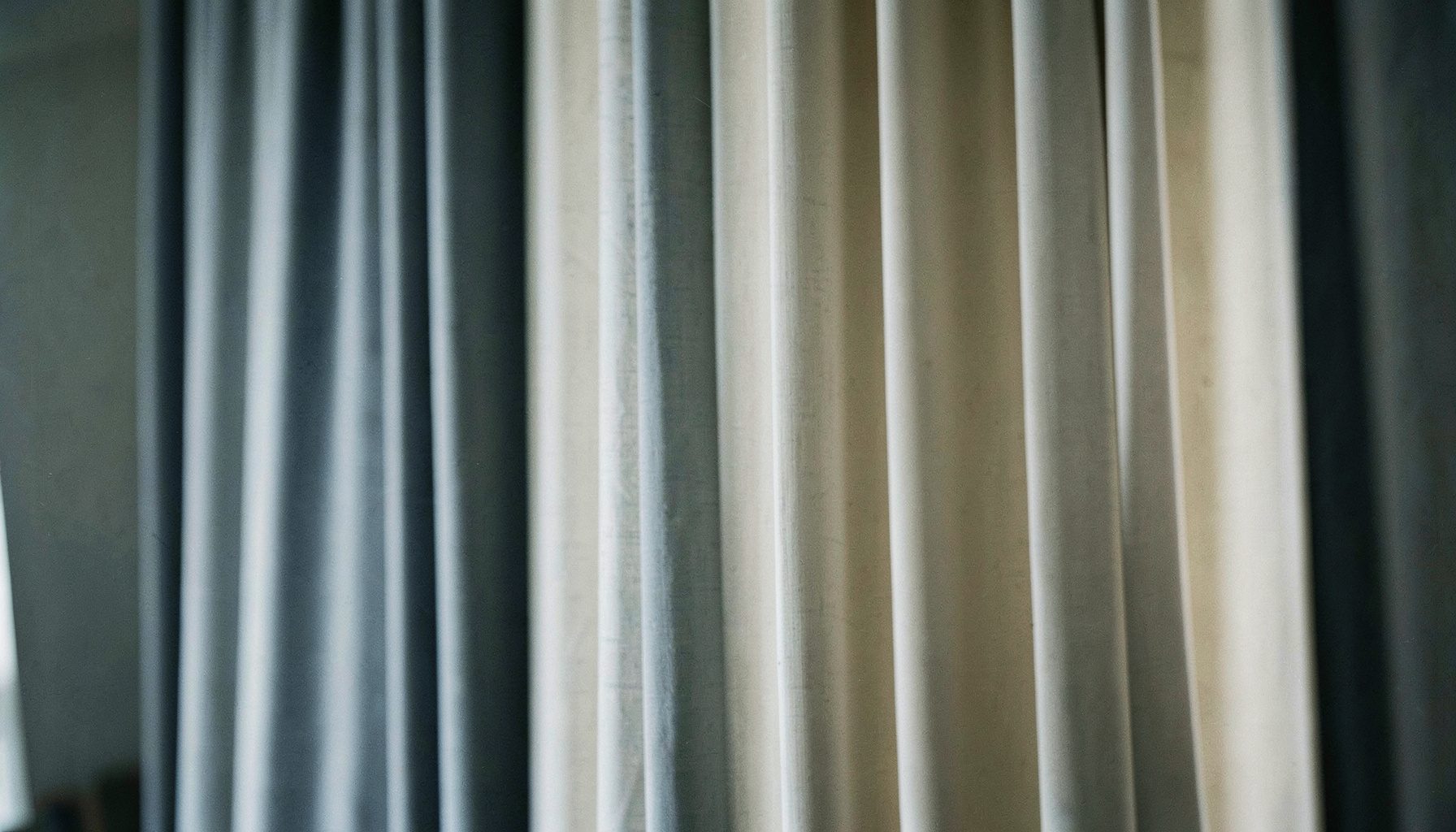
Choosing Curtain Rods That Perfectly Match Your Drapes
Curtain rods quietly shape how light enters a room, how curtains hang, and how the entire window reads from across the space. A thoughtful rod choice frames the drapes and lends polish, while a poor one can make even premium fabric look unfinished or sag within a season.
In Australian homes, where coastal light, heritage windows, and modern apartments all coexist, rod selection carries extra weight. From humid Darwin summers to dry Adelaide afternoons and breezy Perth verandas, each climate places different demands on the hardware you choose.
Many homeowners focus on the drapery itself and treat the rod as an afterthought. Yet the rod dictates curtain hang, stack-back when open, and the proportions of the room, making rod and drape a paired system rather than separate purchases.
This guide walks through the practical decisions behind rod selection, from sizing and finish to architectural harmony. Whether you are dressing a Victorian terrace in Fitzroy or a new build in Western Sydney, the same principles apply, scaled to your windows.
Understanding Rod Types and Their Functions
A standard single rod supports one fabric layer, suited to sheers or lightweight panels in a Brisbane apartment. A double rod stacks a blackout drape behind a sheer, a useful arrangement for shift workers in sunlit suburbs. Traverse rods with internal pulleys glide smoothly across wide glazing, while decorative rods with finials suit period homes in inner Melbourne.
Sleek tracks vanish behind modern panels in new waterfront apartments, and each rod style carries its own personality. Choose the mechanism to match the mood you want the room to project, since a heavy carved rod in a minimalist space feels jarring, while a slim black bar disappears gracefully against a heritage architrave.
Measuring Windows the Right Way
Australian window widths vary considerably, and the home's era often signals what you are working with. Post-war fibro homes typically have narrower casements, while contemporary townhouses in Parramatta or Marrickville often feature floor-to-ceiling glazing. Measure the full frame width, then add at least 20 to 30 centimetres beyond each side so curtains clear the glass when open.
Drop length matters as much as width. Aim for a drop that either puddles gracefully on tiled floors or floats just above engineered timber. Mounting the rod 10 centimetres above the trim creates the illusion of taller windows, useful in rooms with standard 2.4 metre ceilings. Always factor in the finials too, since decorative end pieces add several centimetres that affect bracket spacing.
Matching Finishes to Your Drapery Palette
The finish should echo or gently contrast the fabric, depending on whether you want the hardware to recede or feature. Brushed brass and antique bronze bring warmth to linen drapes in an Adelaide bungalow, while matte black steel sharpens the look of crisp cotton panels in a contemporary Sydney loft. The finish ties the room together when it nods to nearby handles, light fittings, and tapware.
Coastal pockets like the Gold Coast or Mornington Peninsula expose hardware to salt-laden air. Powder-coated aluminium and stainless steel hold up far better in these conditions than untreated iron, which can pit within a year. Choosing the right metal up front avoids staining the fabric and prevents unsightly rust trails down the wall.
Weight Capacity and Mounting Choices
Lined drapes easily weigh five kilograms per metre, so the rod and its brackets must be rated for the full load. Hollow tubes from budget displays bend or pull away from plasterboard, especially across wide spans in open-plan Queenslander homes. Choose rods with internal metal cores paired with heavy-duty brackets anchored into studs or masonry.
For rental properties common across Sydney and inner Melbourne, decorative yet unobtrusive brackets minimise drilling without sacrificing support. Aim for one bracket per 90 centimetres of rod length, and verify the fixings suit the wall material, since plasterboard, brick, and concrete each call for different anchors.
Coordinating Rods with Architectural Style
Federation homes in suburbs like Hawthorn and Mosman call for ornate rods with classical finials in aged brass or pewter. These pieces echo the era's joinery and mouldings without competing with the drapes they carry. Beach houses along the Western Australian coast pair naturally with rope detail or brushed nickel hardware that reflects the relaxed coastal setting.
Mid-century brick houses in Adelaide's eastern parklands suit slim cylindrical rods in walnut or matte black, echoing the period's clean lines. Modern builds in new estates at Clyde or Edmondson Park favour concealed tracks or minimalist face-fix rods. The rod should reinforce the era of the home rather than fight it, and when the hardware feels intentional the entire room reads as designed.
Installation Tips for Australian Conditions
A rod that sits too close to the glass restricts airflow, trapping condensation against cold windows in Melbourne winters or amplifying heat gain in Perth summers. Allow at least eight centimetres of projection so the drapes hang freely and air can circulate behind them.
Use masonry anchors rather than standard plasterboard fixings in Brisbane apartments with concrete ceilings. For curved bay windows common in Melbourne terraces, flexible rods or custom-bent tracks offer a tailored fit. A level, a stud finder, and a second pair of hands make almost any installation manageable for a competent DIYer.
For drapery that arrives already paired with the correct rod, brackets, and mounting hardware, a specialist supplier saves considerable trial and error. The team behind factorydirectdrapes.com curates handcrafted curtains and matching hardware for Australian homes, with fabric samples posted locally and measuring guidance built around standard Aussie window sizes. Matching rod style, finish, and load rating to your drapes lifts the entire room, giving your windows a finished, long-lasting look.