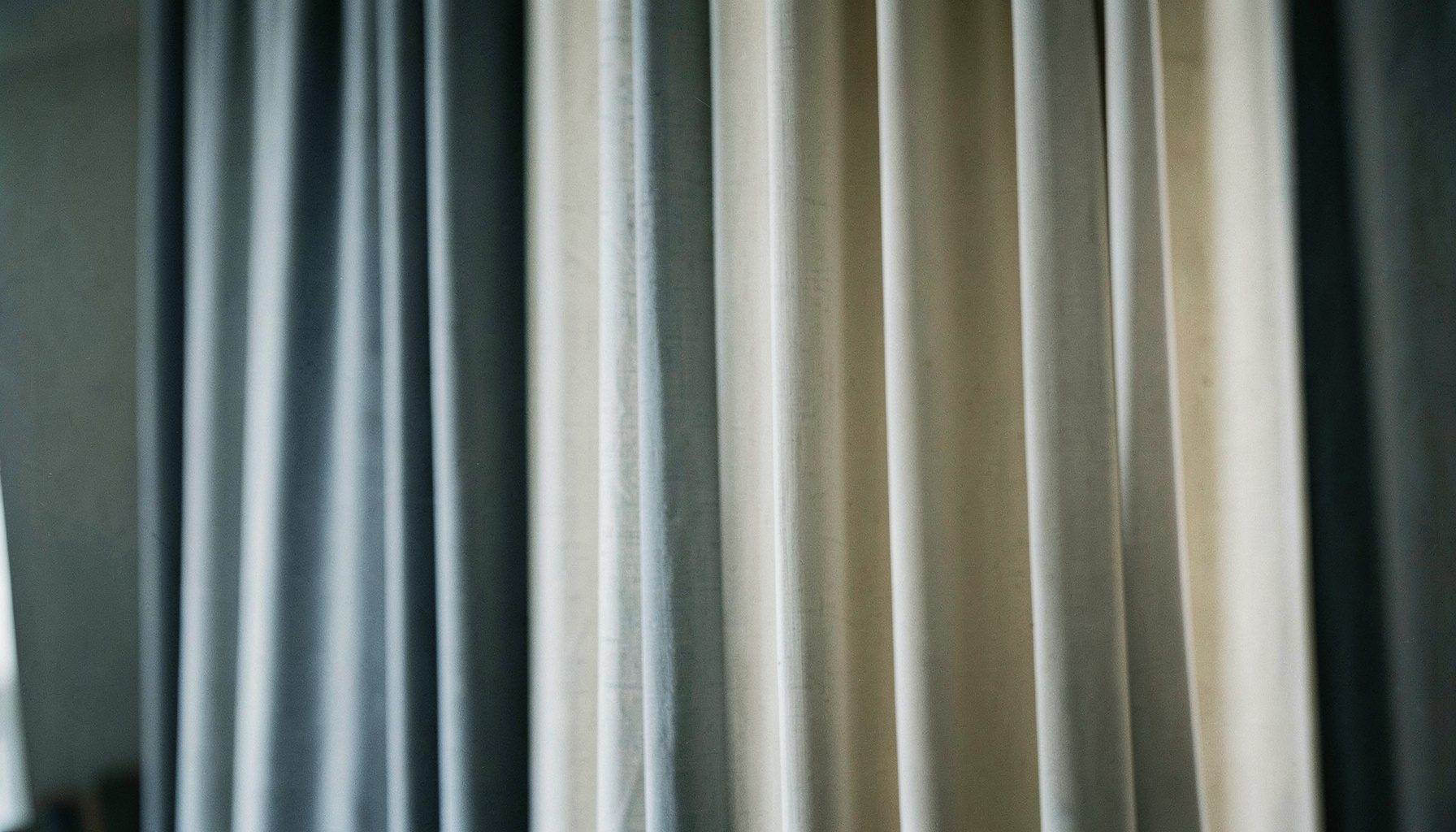
What Is a Rod Pocket Curtain and When to Choose It
A rod pocket curtain has a sewn channel along its top edge. The curtain rod slides through this fabric sleeve, creating soft gathers across the heading. Unlike curtains with rings or tab tops, the hardware is mostly hidden once the fabric is in place.
This traditional curtain style suits relaxed interiors, bedrooms, guest rooms and smaller windows. It can be made from lightweight voile, linen-look fabric, cotton, velvet or thermal materials, allowing the same simple heading to work across many decorating schemes.
For Australian homes, rod pocket panels can complement coastal interiors in Brisbane, heritage cottages in Melbourne and warm, layered rooms in Adelaide. They are also useful for holiday homes and apartments where a clean, uncomplicated window treatment is preferred.
The right choice depends on how often the curtains will move, the weight of the fabric, the look you want and the amount of light or heat you need to control. Custom sizing and lining options make the style more versatile than its simple appearance suggests.
How a rod pocket curtain works
The pocket is usually formed by folding and stitching the top of the curtain, leaving an open passage for a slim rod. When the panel is installed, the fabric gathers naturally. A wider pocket or fuller fabric creates a more pronounced, gathered appearance.
This heading works best with a standard café rod, tension rod or decorative pole that can be inserted before mounting. Because the rod must pass through the sleeve, frequent opening and closing is less convenient than with eyelets, curtain rings or a pinch pleat.
The look it creates
Rod pocket drapes have a soft, traditional finish. The gathered header hides much of the pole and places attention on the fabric, making it a good choice when you want an understated window treatment rather than prominent hardware.
The style pairs easily with cottage, country, coastal and classic Australian interiors. It can also soften contemporary spaces when made in a plain neutral fabric and combined with a sleek rod. For ideas on blending old and new details, explore these drapery styling ideas.
When to choose this curtain style
Choose a rod pocket panel for windows that do not need constant access, such as bedroom windows, decorative side panels, dining rooms and guest accommodation. It is especially effective when curtains will remain mostly open or closed and are being used to frame the glass.
This treatment can suit Australian rental properties, beach houses and older Queenslander-style homes where a softer, unfussy finish feels appropriate. It is also a practical option for narrow windows, where bulky tracks or elaborate headings may overwhelm the available wall space.
When another heading may work better
If you open the curtains every morning and close them every evening, a rod pocket may become frustrating. The gathered fabric can drag along the pole, particularly when the curtain is wide or made from a dense blackout cloth.
Eyelet curtains, curtain rings or a traverse rod are generally easier for high-use windows. Sliding doors to a balcony, family rooms and large living areas in Sydney or Perth often benefit from a heading designed for smooth movement and stronger support.
Fabric, lining and light control
A lightweight rod pocket curtain gives an airy appearance and filters daylight. Voile or sheer fabric can provide privacy during the day while keeping rooms bright, though it will not block views or artificial light at night.
For bedrooms, nurseries and media rooms, consider an insulated or blackout lining. Lined curtains can reduce glare and help moderate heat entering through west-facing glass, which is valuable during hot Australian summers. A heavier lining also gives the folds more body.
Features worth comparing
- Sheer fabric for filtered daylight and daytime privacy
- Thermal lining for temperature control
- Blackout lining for sleeping areas and media rooms
- Decorative fabric for colour, texture and visual softness
Measuring and installing the panels
Measure the rod width rather than relying only on the window frame. The curtain should have enough fullness to create attractive gathers, commonly around one-and-a-half to two times the finished width, depending on the fabric and desired density.
Allow space above and beside the window if you want the opening to appear taller and wider. Check the rod diameter before ordering, since an oversized pole may not pass through the sewn sleeve. Factory Direct Drapes provides measuring guidance, fabric samples and made-to-order options to help coordinate the finished fit.
Ordering for an Australian home
Custom curtains are worthwhile when windows are unusually tall, unusually wide or fitted into bays. They also help when you need matching panels across rooms with slightly different dimensions. American-made, handmade-to-order draperies can be specified with selected fabrics, linings and dimensions, supported by a lifetime workmanship warranty.
When comparing an overseas price with an Australian budget, include shipping, taxes and currency fluctuations rather than looking only at the advertised amount. A reliable currency conversion guide can help you estimate the purchase in Australian dollars before committing.
Practical checks before ordering
- Confirm the rod diameter and return style
- Decide whether the curtains will be stationary or frequently moved
- Order fabric samples in the room’s natural light
- Check finished drop, fullness and lining requirements
A rod pocket curtain is a strong choice when softness, simplicity and hidden hardware matter more than rapid daily movement. Select a lighter fabric for a relaxed decorative effect, or add thermal and blackout lining when privacy, sleep and temperature control are priorities. Browse custom options, request samples and use the measuring resources from Factory Direct Drapes to create a window treatment suited to your home.