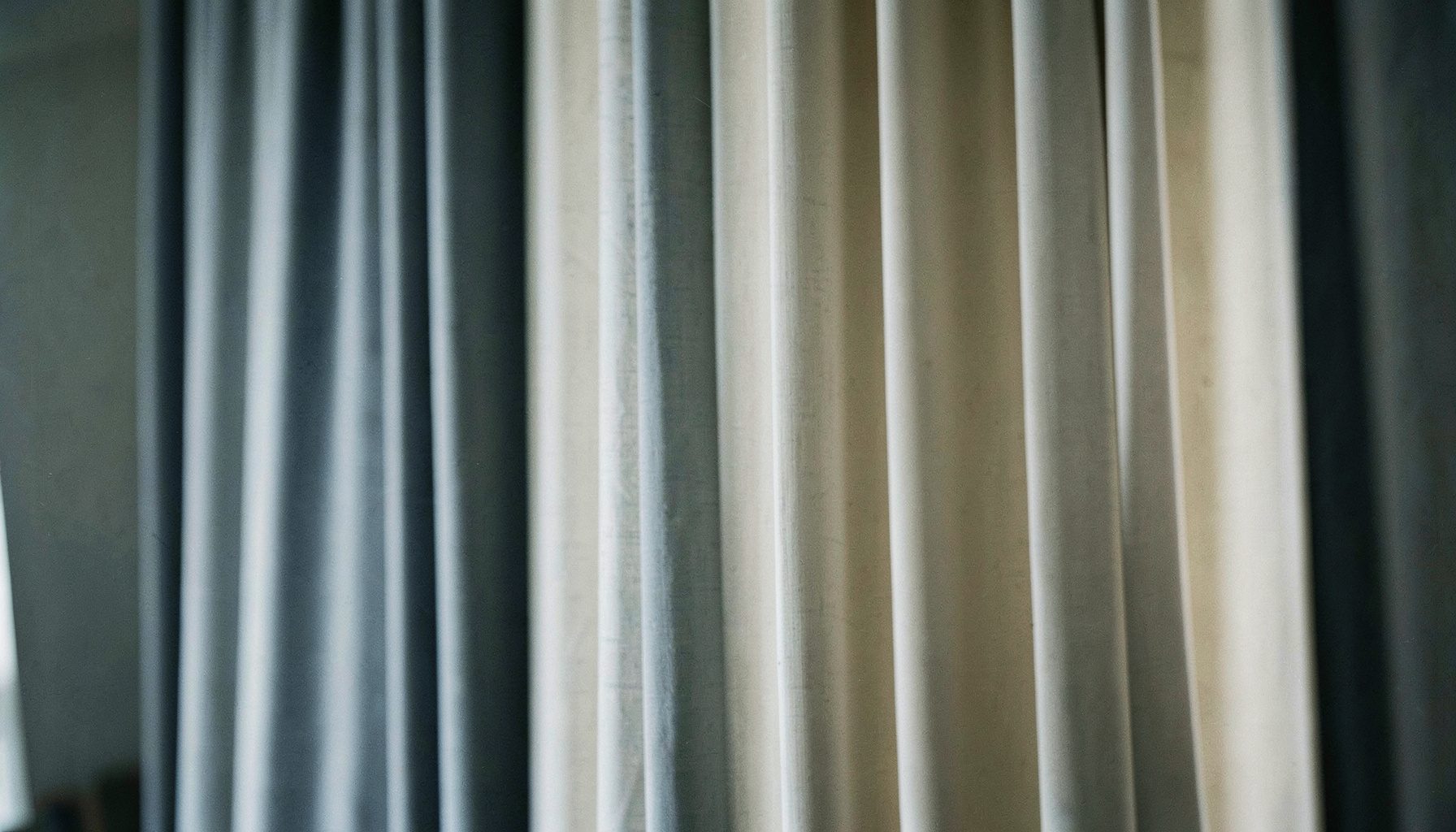
Blending modern and traditional styles with custom drapes
The conversation around interior design in Australia has shifted away from strict period authenticity. Homeowners in Sydney's terrace-lined neighbourhoods and Melbourne's Edwardian streetscapes are drawn to interiors that honour a heritage property while embracing cleaner lines. Drapes offer one of the most effective tools for achieving this balance, acting as the soft layer that ties disparate eras together.
Federation homes in Brisbane and Adelaide often feature lofty ceilings and ornate cornices that demand window treatments with presence. Meanwhile, contemporary apartments in Perth and high-rise developments along the Gold Coast favour streamlined aesthetics. The challenge is to find drapery that respects the past without becoming a costume, and feels current without appearing cold or generic.
Custom-made drapes make this balancing act manageable. By specifying fabric weight, pleat style, lining type and drop length, you can tailor a window treatment to the exact mood of a room. A tailored pinch pleat in textured linen can nod to traditional craftsmanship while sitting comfortably in a minimalist setting, proving the divide between old and new is often about proportion and material rather than shape. For those exploring pleated styles, this pleated curtain options guide offers additional insight.
Taking time to consider how each element interacts with existing architecture helps create a home that feels grounded and personal. Thoughtful choices about texture, colour and hardware allow drapes to do the heavy lifting in tying a scheme together.
Understanding the modern-traditional balance
Mixing modern and traditional elements is less about rules and more about curating intentional contrasts. A room clad in VJ boards or heritage mouldings can be grounded by a sleek, low-profile sofa, while a contemporary open-plan area might feel incomplete without a traditional rug or classic lamps. Drapes work similarly, offering texture, pattern or colour that mediates between competing styles.
Australia's climate encourages indoor-outdoor living that shapes how we dress windows. Sheer layers are practical in places like Noosa or Byron Bay, softening the hard edges of modern architecture. Pairing sheers with heavier drapes allows a room to shift from bright by day to intimate by night.
Choosing fabrics that bridge eras
Fabric selection brings the modern-traditional conversation to life. Linen and cotton blends offer an organic quality that works with both heritage and contemporary furnishings. Velvet or damask can introduce depth and historical resonance while feeling relevant when used sparingly.
In bushfire-prone regions of New South Wales and Victoria, practical considerations shape fabric choice. Heavy, lined drapes can help with insulation and light control, providing an extra layer against heat and glare. Many homeowners combine these practical benefits with aesthetic goals, choosing fabrics that look as good as they perform.
Color palettes inspired by Australian landscapes
Australia's landscape offers a ready-made palette for blending styles. The muted greys of a Melbourne winter sky, the dusty reds of the outback, the deep greens of a Daintree rainforest or the bleached bone of a Bondi beach house can all inform a cohesive scheme. These tones tend to be sophisticated and grounding, helping traditional and modern elements share a room without competing.
Using a restrained palette across walls, flooring and soft furnishings allows drapes to become a focal point. A bold geometric drape can energise a heritage room, while a solid, richly coloured drape in velvet can anchor a minimalist space with a sense of history. Repeat accent colours elsewhere in the room, whether in a cushion, artwork or rug, so the drapes feel connected rather than imposed.
Hardware and poles: mixing metals and finishes
Curtain rods and hardware shape how drapes are perceived. A traditional ornate rod with decorative finials can lean heavily period, while a slim, matte black track suggests modern sensibility. The middle ground is where mixing becomes interesting: a simple brushed brass rod with clean cylindrical finials can sit comfortably in both a Victorian terrace in Paddington and a new-build apartment in Brisbane's Newstead.
Consider the scale of the window and the weight of the fabric. Heavier drapes require sturdier poles and robust brackets, offering an opportunity to introduce a material with character, such as aged bronze or warm timber. For a contemporary feel, concealed tracks or ceiling-mounted systems keep focus on the fabric itself, allowing traditional textiles to read as fresh and modern.
Patterns: from heritage motifs to contemporary geometry
Pattern is one of the most direct routes to blending eras. Traditional patterns such as damasks, paisleys, toiles and small-scale florals carry a sense of history, while large-scale abstracts, stripes or irregular geometrics lean modern. Combining the two requires a careful hand, but the result can be deeply personal and visually rich.
Select one dominant pattern and balance it with solids and subtle textures. In a room with traditional joinery, a contemporary geometric drape can prevent the space from feeling too formal. In a stark white room with minimalist furnishings, a traditional patterned drape can introduce warmth and established comfort. The Australian love of layered, eclectic interiors makes this approach suited to local homes, from the workers' cottages of Hobart to the renovated warehouses of Surry Hills.
Room-by-room strategies for Federation and contemporary homes
Different rooms call for different approaches. In formal living areas of a Federation home, heavier drapes in velvet or jacquard can honour the architectural detailing while updated colours keep them current. Bedrooms benefit from lined drapes that block light and improve insulation, where a modern pleat style in a traditional fabric can strike the right note.
In kitchens, dining areas and living rooms that open to outdoor entertaining spaces, lighter fabrics and simpler headings work well. A linen-look drape in a contemporary tab top or ripple fold can feel relaxed and coastal, suiting the easy Australian lifestyle from Cottesloe to Coffs Harbour. The goal is to let drapes do the quiet work of unifying a space, offering softness, light control and a visual bridge between architectural heritage and the way occupants live today.
Start exploring how custom drapes can bring together the modern and traditional elements in your home. Factory Direct Drapes offers bespoke options, fabric samples and measuring guidance to help you create window treatments that reflect your style, with a lifetime workmanship warranty backing every order.