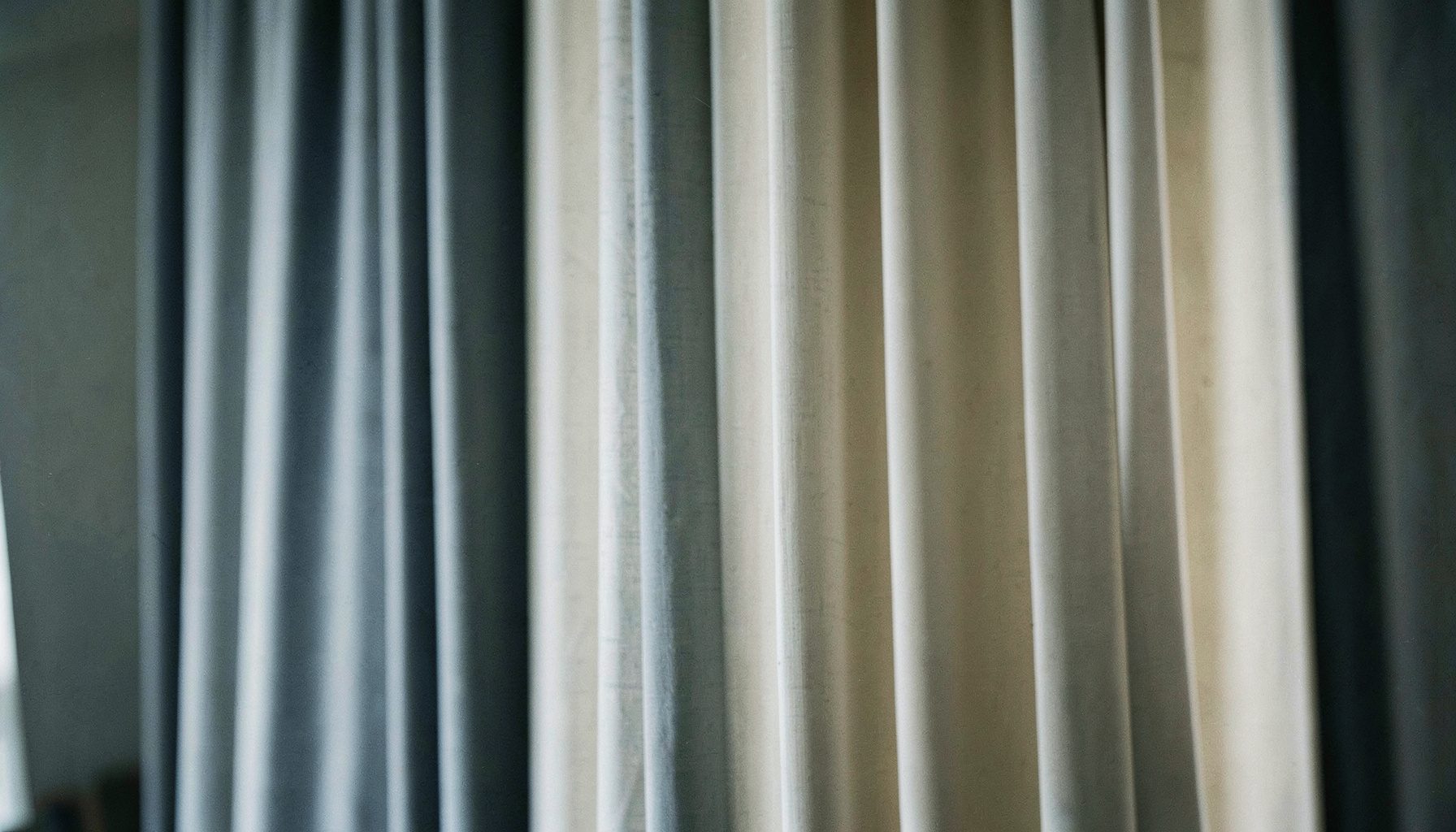
Pinch Pleat Curtains: Style, Function and the Right Room
A pinch pleat is a tailored curtain heading made by gathering fabric into permanent, evenly spaced folds at the top. The pleats are sewn into place and attached to curtain hooks, creating a structured finish that hangs in elegant, vertical lines. This classic style works with many fabrics, from light linen blends to insulated and blackout materials.
For Australian homes, pinch pleat drapes can bring softness and privacy to bright rooms while keeping the window treatment visually refined. They suit traditional houses in Melbourne, coastal interiors in Brisbane and contemporary apartments in Sydney, provided the heading, fullness and track or rod are selected to match the space.
How Pinch Pleats Are Made
The fabric is folded into groups, commonly three-finger or five-finger pleats, then stitched near the top to hold the shape. Three-finger pleats have a lighter, less formal appearance, while five-finger pleats create a fuller and more decorative curtain. Both styles keep the folds aligned when the drapes are opened or closed.
Curtain hooks are inserted into the back of each pleat and attached to rings, gliders or a compatible track. This produces a controlled stack and helps the fabric hang evenly. Unlike a simple rod pocket, a pinch pleat heading is designed for regular operation and maintains its shape over time.
The Look It Creates
Pinch pleat curtains have a tailored appearance that suits classic, Hamptons, heritage and transitional interiors. Their repeated folds add architectural detail without requiring a busy print, making them useful when the furniture, artwork or rugs already provide visual interest.
They can also work in modern rooms when made in a plain fabric with a slim track or understated decorative rod. For a coordinated window scheme, consider how curtain colour, blind fabric and wall tones relate to each other; these cohesive drapery ideas can help create continuity across adjoining rooms.
When This Style Makes Sense
Choose pinch pleats when you want curtains that look finished whether they are open or drawn. The defined folds frame the window neatly, making them particularly effective in dining rooms, formal living areas, bedrooms and spaces with tall ceilings. They are also a strong choice for wide windows where a relaxed heading could appear untidy.
The style suits homeowners who appreciate symmetry and a made-to-measure finish. In a Federation home in Adelaide or a renovated terrace in Sydney, pinch pleats can complement existing cornices and timber details. In a smaller apartment, a simple three-finger version in a quiet colour can provide polish without overwhelming the room.
Choosing Fabric And Fullness
Fabric weight affects both the appearance and performance of pinch pleats. Lightweight linen-look fabrics create soft folds and filter daylight, while heavier cotton, velvet or lined materials produce deeper pleats and stronger insulation. Blackout lining is useful for bedrooms, nurseries and media rooms, especially during bright Australian summers.
Fullness refers to how much fabric is used across the track or rod. More fullness creates richer folds and a more luxurious stack, but it also requires additional fabric and space beside the window. A made-to-measure supplier can calculate the appropriate fullness based on the window width, fabric width and desired finished look.
Tracks, Rods And Practical Details
Pinch pleats can hang from a ceiling-mounted track, wall-mounted track or decorative curtain rod with rings. Tracks create a clean, discreet appearance and are practical for large openings, sliding doors and corner windows. A decorative rod adds a visible architectural feature and can reinforce the room’s metal, timber or traditional finishes.
Measure the finished drop carefully, allowing for the position of the heading and the preferred distance above the floor. Curtains that finish just above the floor are easy to clean, while a small break or puddle creates a more relaxed effect. In everyday Australian homes, where windows may be opened for ventilation, ensure the curtain stack does not obstruct handles, doors or airflow.
Care And Suitability For Different Properties
Regularly vacuum pinch pleat drapes using a brush attachment on a low setting, and follow the care instructions for the fabric and lining. Avoid crushing the pleats during storage, as the stitched folds are intended to retain their shape. A professional clean may be appropriate for lined, delicate or high-use curtains.
For hotels, schools, healthcare facilities and resorts, pinch pleats can provide a consistent appearance across many rooms. Commercial installations should also account for fabric durability, cleaning requirements, accessibility and fire-safety obligations under applicable Australian building and facility standards. Residential buyers may find useful styling inspiration in guides about hallway furniture ideas, particularly when coordinating curtains with entryway details.
Pinch pleats are a practical choice when you want enduring structure, controlled movement and a professionally finished window. Explore fabric samples, compare lining options and use accurate measurements before ordering custom drapes from Factory Direct Drapes. Their made-to-order service, installation resources and workmanship warranty make it easier to create curtains suited to your room, climate and daily routine.