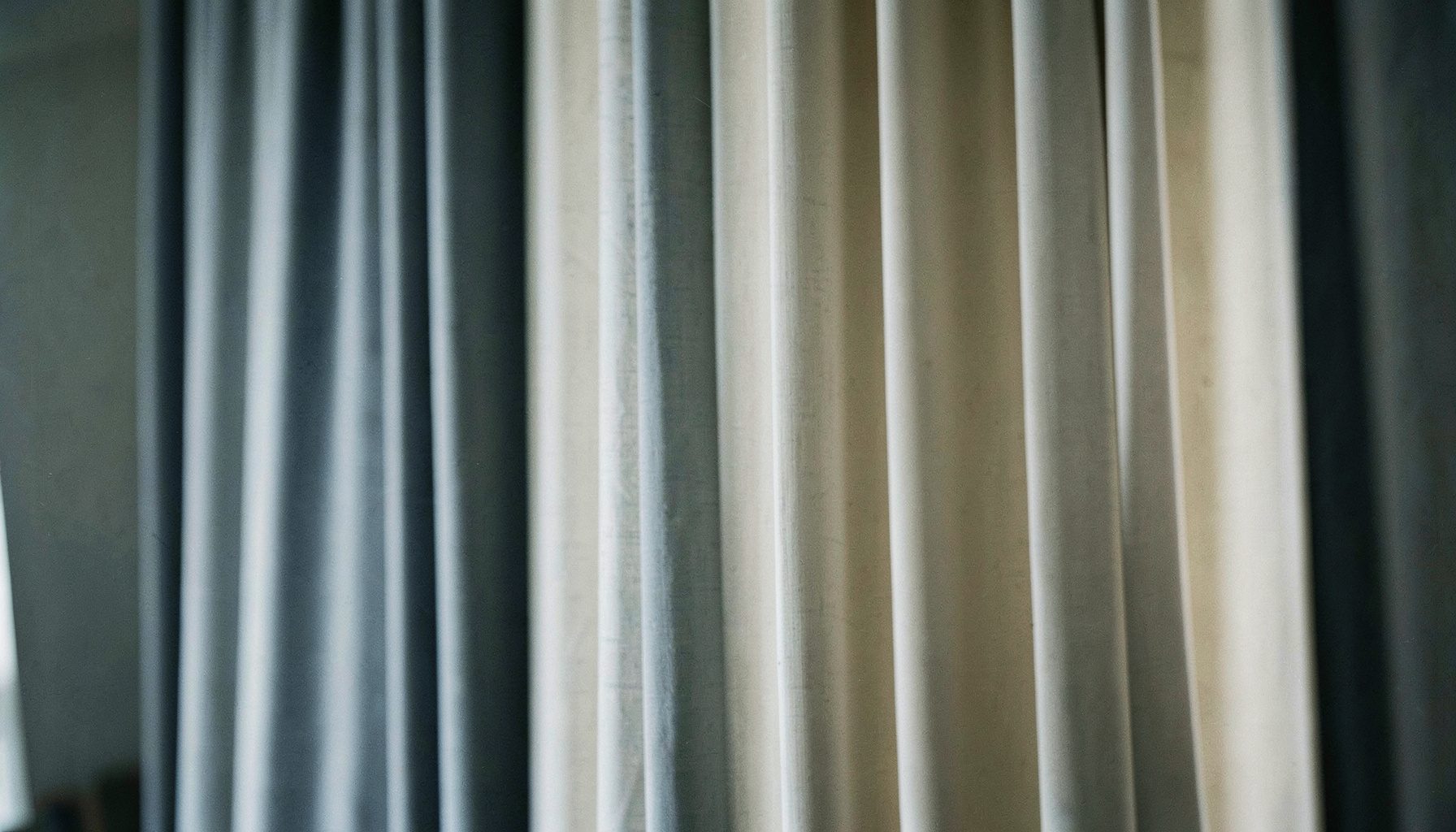
How to create a cohesive look with drapes and blinds
Australia's varied climate and distinctive architectural styles present a unique design challenge for homeowners wanting a unified interior look. From sun-drenched Sydney apartments to century-old Melbourne terraces, the right combination of drapes and blinds can pull a home together while solving practical problems like glare, insulation and privacy.
Learning how to create a cohesive look with drapes and blinds begins with thoughtful planning rather than impulse buys. Factory Direct Drapes specialises in custom-made curtains, valances and rods crafted to individual specifications, with fabric samples and measuring guidance available for every Australian project.
Choosing treatments for Australia's diverse climate
The country spans tropical, subtropical, arid and temperate zones, which dramatically affects how window coverings perform. In Brisbane and Darwin, intense ultraviolet exposure demands UV-resistant fabrics and tightly woven weaves to protect furniture and flooring from fading. In Hobart and Melbourne's southern suburbs, winter chill makes lined drapes essential for thermal comfort and lower heating bills.
Energy efficiency has become a national priority, and the Nationwide House Energy Rating Scheme encourages window treatments that complement insulation strategies. Layered drapes with a backing can reduce heat transfer noticeably, while sheer blinds filter the harsh afternoon glare common in Perth and Adelaide homes. Understanding your local climate zone is the first step toward selecting drapes and blinds that work as hard as they look beautiful.
Coordinating colours and fabrics room to room
Open-plan living dominates Australian home design, particularly in newer builds across the eastern seaboard. When the kitchen flows into the dining area and out to a covered alfresco space, mismatched window treatments can fragment the visual experience. Selecting a core palette of two or three complementary fabrics and repeating them across rooms creates rhythm without monotony.
Coastal palettes of crisp whites, soft greys and weathered blues remain popular from Byron Bay to Fremantle, while earthy tones inspired by the outback suit Adelaide Hills residences and inland Queensland homes. Textural variety adds interest: pair linen-look drapes with woven timber-look blinds, or combine velvet curtains with crisp roller shades. The aim is harmony through contrast, not uniform replication of a single material.
Layering drapes and blinds for depth and function
Layering transforms ordinary windows into focal points. A sheer blind underneath allows daytime privacy while maintaining views, while heavier drapes drawn at night provide insulation and a sense of enclosure. In Queenslander homes with elevated verandas, layered treatments can soften strong architectural lines while managing afternoon heat.
For those inspired by boutique hotel aesthetics, the same principles apply. A commercial drapery buying guide demonstrates how layering blackout linings with decorative drapes achieves both luxury and performance. These techniques translate beautifully into residential spaces, particularly in master bedrooms where restful sleep and refined style matter equally.
Hardware, poles and finishes that unify the look
Often overlooked, curtain rods, tracks and finials act as the jewellery of window treatments. Mixing brushed brass rods in one room and matte black in another disrupts cohesion. Choosing a consistent metal finish throughout the home, whether polished chrome in a contemporary Sydney apartment or antique bronze in a heritage Perth cottage, anchors the overall scheme.
Consider the architecture too. Federation-style homes in Sydney's inner west and Adelaide's eastern suburbs suit traditional decorative poles with carved finials. Modern townhouses in Melbourne's Docklands or Brisbane's New Farm call for minimalist tracks concealed within pelmets. The hardware should quietly reinforce the home's era and personality.
Room-by-room strategies for a flowing interior
Each room serves a different function, but the design language should feel related. Living areas often benefit from the most decorative drapes, paired with simple roller or Roman blinds. Bedrooms call for blackout linings, particularly in bright Australian summers where early sunrise can shorten sleep. Bathrooms and kitchens require moisture-resistant materials suited to humid conditions.
In homes overlooking bushland or coastal reserves, consider treatments that frame rather than obstruct views. Wide curtain rods that extend beyond the window frame allow drapes to stack neatly to the sides, preserving panoramas of the Coral Coast or the Tamar Valley. For smaller windows in heritage homes, café-style curtains combined with venetian blinds offer charm and practicality without overwhelming the proportions.
Practical tips for a cohesive finish
A few steady habits help maintain a polished result across an entire home.
- Order fabric samples before committing, paying attention to how colours shift in your specific lighting conditions
- Maintain a consistent header style, such as pinch pleats in formal rooms and casual tab tops throughout informal spaces
- Keep drop lengths aligned across rooms on the same level to create visual order
- Use the same lining type across all drapes for uniform insulation and appearance
- Repeat one accent fabric as cushions or tie-backs in adjacent rooms to bridge spaces
- Invest in professional measuring to avoid costly errors, particularly for floor-to-ceiling installations
- Reserve a small fabric swatch for future reference when coordinating new pieces
Bring your vision together with custom-made drapes, valances and rods designed for Australian homes. Factory Direct Drapes offers complimentary measuring guidance, fabric samples and a lifetime workmanship warranty, helping every room feel connected, comfortable and uniquely yours.