The Importance of Proper Curtain Stackback in Australian Homes
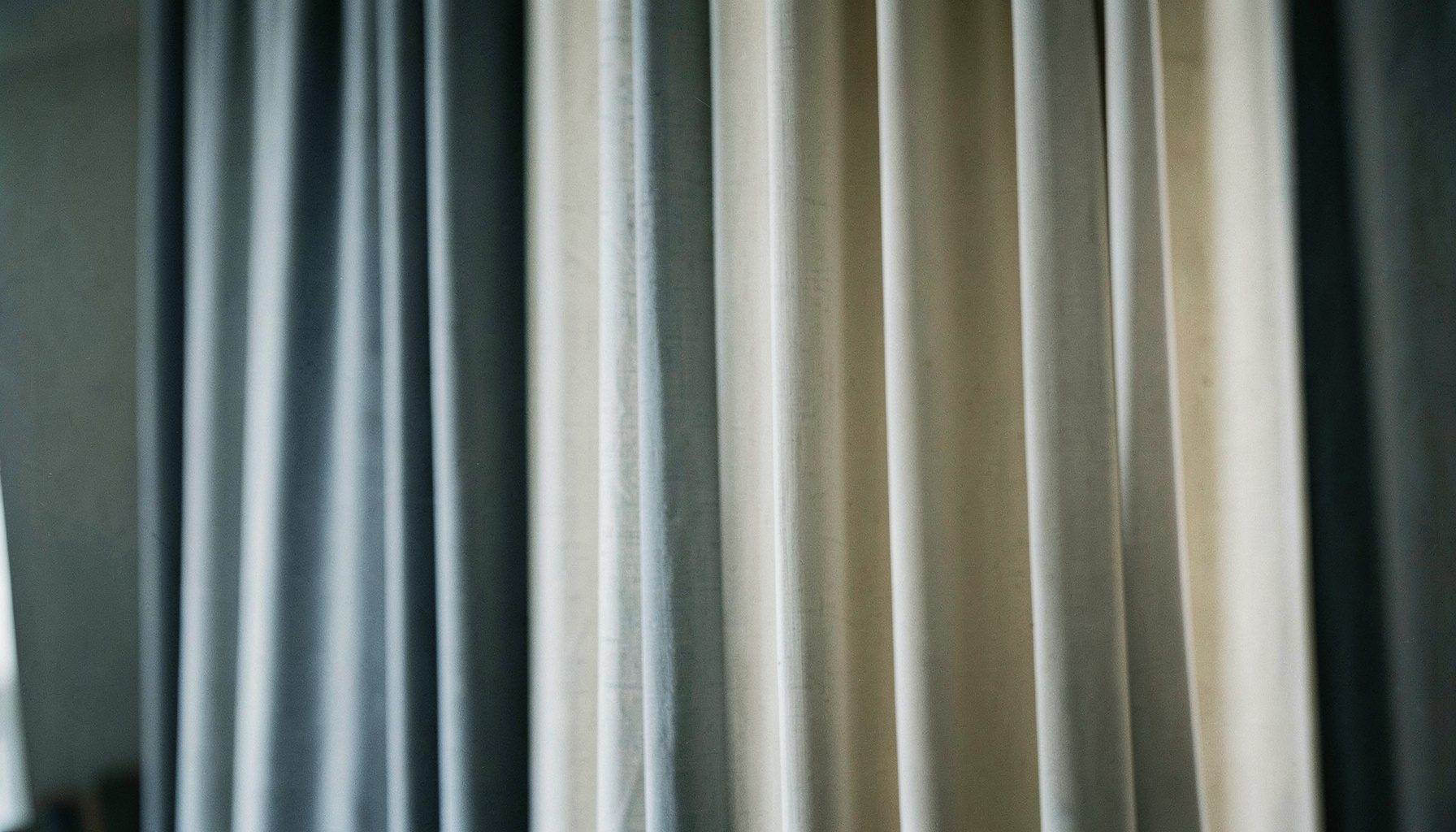
Stackback is the space curtains occupy when fully drawn open — the wall area the fabric bunches into beside the window. Many homeowners focus only on the textile and forget this measurement until installation day, when the panels smother the glass and block the view they paid to enjoy.
Across Australia, floor-to-ceiling windows are a hallmark of modern coastal builds, new apartments in Brisbane, and renovated federation terraces in Melbourne and Sydney. With generous glazing comes generous sunlight, harsh summer UV on the western suburbs, and chilly alpine nights in towns like Bright and Jindabyne. Choosing the right drapery matters, but where those curtains rest when open matters just as much.
A well-planned stackback keeps the window unobstructed, lets afternoon sunlight pour in unhindered, and frames the indoor-outdoor connection that defines Australian living. It also protects the fabric from crushing, helps the drapes hang correctly when closed, and prevents the hardware from bowing under accumulated weight.
What Stackback Actually Means and How to Measure It
The stackback depth is calculated by adding the width of the gathered fabric plus the return space it occupies on the wall. A standard pinch-pleat panel sits roughly one-fifth of its flat width when fully drawn, so a 3-metre wide drape needs around 600mm of clearance beside the window to stack neatly.
For Australian window sizes, the most accurate method is to specify the finished stackback depth on your order rather than guessing. A quality supplier will guide you through the maths when confirming custom measurements. Resources like this drape explainer show how different textiles behave when pushed aside, which directly affects how tightly the folds gather.
Allowing extra clearance on the side returns also lets the track sit clear of architraves, picture rails, and the stubborn timber trims found in older Queenslander and Adelaide bungalow renovations.
Climate Considerations Across Australian Regions
Where a property sits changes everything about stackback planning. In western Sydney, Perth, and inland Queensland, summer heat makes blackout linings nearly compulsory, and heavyweight fabrics stack fuller than lightweight sheers. A wider stack allowance prevents the mass of fabric from spilling across adjacent glass.
Coastal homes from the Gold Coast down to Geelong often pair sheers with a heavier drape for layered light control. Each layer needs its own stackback room, particularly when the room opens onto an alfresco deck through bifold doors. In cooler zones like Hobart, the Victorian high country, and Canberra's suburbs, insulated interlinings add bulk, so designers typically project 250–300mm of extra return to keep the opening tidy.
When bushfire-prone blocks in the Blue Mountains or Adelaide Hills are involved, selecting flame-retardant fabrics with verified certifications matters as much as the stack depth. The curtains still need somewhere to rest without touching the floor and gathering dust or debris.
Hardware Decisions That Influence Stackback
A traverse rod, ceiling-mounted track, or decorative pole each behaves differently when curtains are pulled back. Tracks mounted close to the ceiling tend to give the cleanest stack because gravity helps the pleats settle vertically. Poles set proud of the wall add visual depth but require extra clearance so the rings aren't pressed against the architrave.
Brass and wrought-iron poles suit heritage homes in suburbs like Hawthorn and Glebe, while slimline aluminium tracks blend with contemporary apartments in Southbank and Surfers Paradise. The hardware choice influences how the fabric falls when open, sometimes by as much as 100mm either side of the planned stack.
Exploring decorative hardware alongside trusted country suppliers can spark ideas that pair naturally with handcrafted drapery, particularly when the room carries a traditional or farmhouse aesthetic that is so popular in regional Victoria and southern NSW.
Common Mistakes with Pleated and Pinch-Pleat Headings
The most frequent error is ordering a track that finishes exactly at the window frame. With the fabric bunched, half the glass disappears. A simple rule is to extend the hardware at least 150mm beyond the frame on each side, more for wider windows.
Another trap is mixing heading styles within the same room. Pinch pleats stack narrower than tab tops or goblet pleats because the fabric is trained into tight folds. If one window has sheer pinch pleats and another uses rod-pocket sheers, the stackback on each side will look uneven when both are open.
People often forget that curtains installed for insulation sit slightly differently than decorative panels. Thermal-backed fabrics can grow heavier once they touch a cold pane, especially during a Melbourne winter morning. Allowing an extra 50mm of stackback prevents panels from dragging their lining or the floor when humidity changes the fabric weight through the day.
Coordinating Stackback with Window Dressing Style
The stack width should complement the room's décor, not fight it. Minimalist interiors benefit from a tight, almost sheer stack that keeps sightlines clean. Country-style and Hamptons-inspired rooms — popular from the Barossa through to Bowral — often embrace a fuller, more gathered stack for a relaxed drape effect.
When combining drapery with shutters or roman blinds, the stackback needs to clear those fittings when open. Plantation shutters stack into their own frame, but the curtains must still bypass that frame entirely or they will catch on the louvers every time they're drawn.
Always test the configuration in person rather than relying on digital previews. A simple mock-up using a sheet pinned to a temporary rod can reveal whether the planned stack will suit the room's proportions before committing to a custom order.
Practical Stackback Recommendations
- Measure finished, gathered stackback depth before ordering hardware, not just the flat fabric width
- Allow at least 150mm beyond each side of the window frame for the hardware itself
- For heavy or interlined fabrics, add an extra 50–100mm to the calculated return
- Choose ceiling-mounted tracks when floor space beside the window is limited
- Match heading styles on every window in the same room for consistent visual stacking
- Request fabric samples and test them at the actual window to see how they fall when open
- Confirm brackets, returns, and projection clear all obstructions, including shutters and architraves
A thoughtfully planned stackback transforms a room, framing the view, protecting the drapery, and keeping the architecture the hero. Browse the full range of custom-made American-crafted panels at Factory Direct Drapes and start a conversation with their team about bringing the right balance of function and finish to every window in your home.