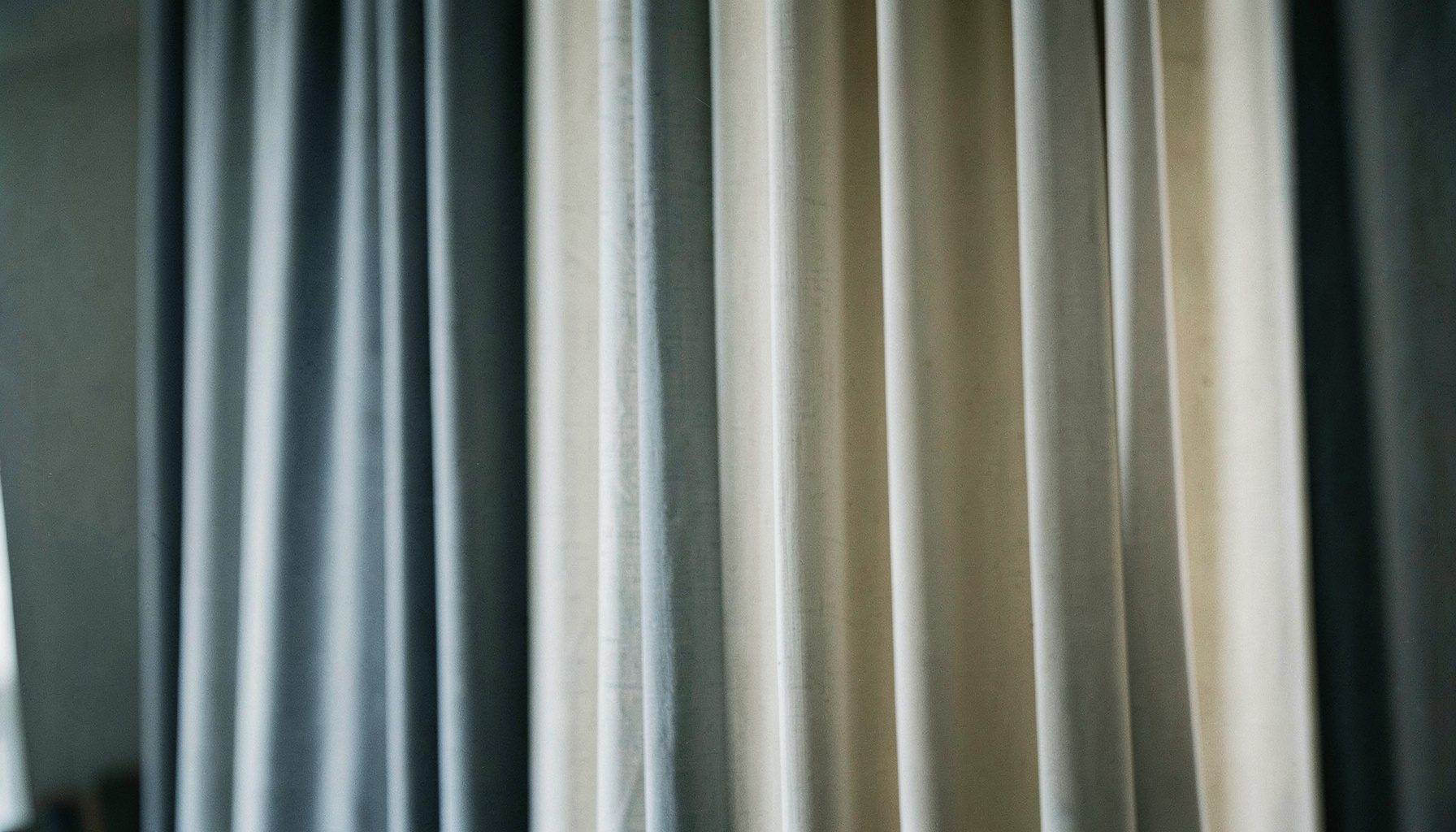
Why buying drapes direct from the maker makes sense
Window furnishings shape the comfort, privacy and character of a room. In Australia, they also need to handle strong sunlight, changing temperatures and the practical demands of everyday living, from bright Brisbane mornings to chilly Melbourne evenings.
Buying direct from a manufacturer gives homeowners, designers and commercial buyers a clearer path from fabric selection to finished installation. Instead of choosing from a limited retail range, you can often specify the dimensions, lining, heading style, fullness and hardware that suit the space.
Factory Direct Drapes produces handmade curtains, draperies, valances and decorative rods in America, with custom options for residential and commercial interiors. The direct model connects the customer with the people who make the product, helping reduce unnecessary retail layers.
For Australian customers, careful measuring and delivery planning remain important. However, access to fabric samples, support resources, a virtual room designer and a lifetime workmanship warranty can make an overseas custom order much easier to manage.
Better value through a shorter supply chain
When curtains are sold directly by the manufacturer, fewer distribution and showroom mark-ups sit between the maker and the buyer. That can create better value for a high-quality product, particularly when ordering several windows, full-height panels or coordinated treatments throughout a home.
The saving does not have to mean choosing a basic fabric. Customers can compare lined, insulated and blackout options while spending according to the actual needs of each room. A north-facing living area in Sydney may need serious light control, while a guest room in Hobart could benefit more from warmth and privacy.
Direct purchasing also makes it easier to understand what is included. Pricing may relate to finished measurements, fabric quantity, lining, pleats and installation hardware rather than a vague package price. This transparency helps households plan a renovation budget in Australian dollars and account for freight or local installation.
Custom sizing for Australian homes
Standard ready-made curtains can be awkward in homes with unusual ceiling heights, wide glass doors or compact apartment windows. Custom manufacturing allows panels to be made for the opening, helping avoid excessive pooling, gaps at the sides or hems that sit above the floor.
That flexibility is useful in newer Sydney apartments, Queenslander homes in Brisbane and renovated terraces in Melbourne, where window proportions can vary dramatically. It also helps when a room needs ceiling-mounted tracks, extra-wide panels or a specific stack-back position.
For tall spaces, measuring the distance from the floor to the intended track is essential. This guide to hanging high curtains explains how placement affects proportion, fullness and the finished appearance, which is especially valuable when working with lofty ceilings.
More control over fabric performance
A manufacturer can offer a wider range of fabric weights, colours, textures and lining combinations than a general homewares retailer. That choice lets customers match appearance with performance, whether the goal is a soft sheer layer, complete bedroom darkness or improved temperature control.
Blackout curtains can be useful for nurseries, media rooms and shift workers, while insulated linings may help reduce heat gain during a hot Perth afternoon or retain warmth through an Adelaide winter. Sheers can soften harsh glare without removing daylight, creating a practical layered window treatment.
Samples are particularly valuable because online colours can look different under Australian daylight, warm lamps or cool LED bulbs. Ordering fabric swatches before committing lets buyers assess texture, undertones and how the material works with flooring, joinery and upholstered furniture. For broader interior coordination, these custom furniture ideas can help establish a consistent relationship between window treatments and the rest of the room.
Consistent quality for large projects
Direct manufacturing is useful for commercial buyers who need repeatable results across multiple rooms. Hotels, resorts, schools and healthcare facilities may require coordinated curtains in different widths, dependable workmanship and practical specifications for frequent use.
Working with the maker can simplify communication about quantities, room schedules, lining requirements and decorative hardware. It can also help designers maintain a consistent finish across guest rooms or public areas, rather than combining products from several unrelated suppliers.
For a private renovation, the same principle applies on a smaller scale. A manufacturer can help coordinate matching panels, valances and rods, reducing the risk of slightly different colours or incompatible components arriving from separate retailers.
Support beyond the purchase
A direct relationship does not end when the order is placed. Measuring guidance, customer service and installation resources can help prevent common errors, such as ordering insufficient fullness or positioning a rod too close to the window frame.
The lifetime workmanship warranty adds further reassurance because it reflects confidence in construction quality. Customers should still review fabric-care instructions, delivery conditions and any Australian installation requirements before ordering, particularly for large or heavy treatments.
For homeowners who prefer a polished result, a local curtain installer or experienced tradie can handle wall conditions, track alignment and safe fixing. Combining manufacturer support with skilled local installation gives custom drapes the best chance of hanging evenly and operating smoothly for years.
Explore the available fabrics, linings and custom measurements at Factory Direct Drapes, request samples for your space and use the measuring resources before placing an order. With the right specifications, buying direct can deliver tailored window furnishings, clearer value and a finish made for the way your Australian home is actually used.