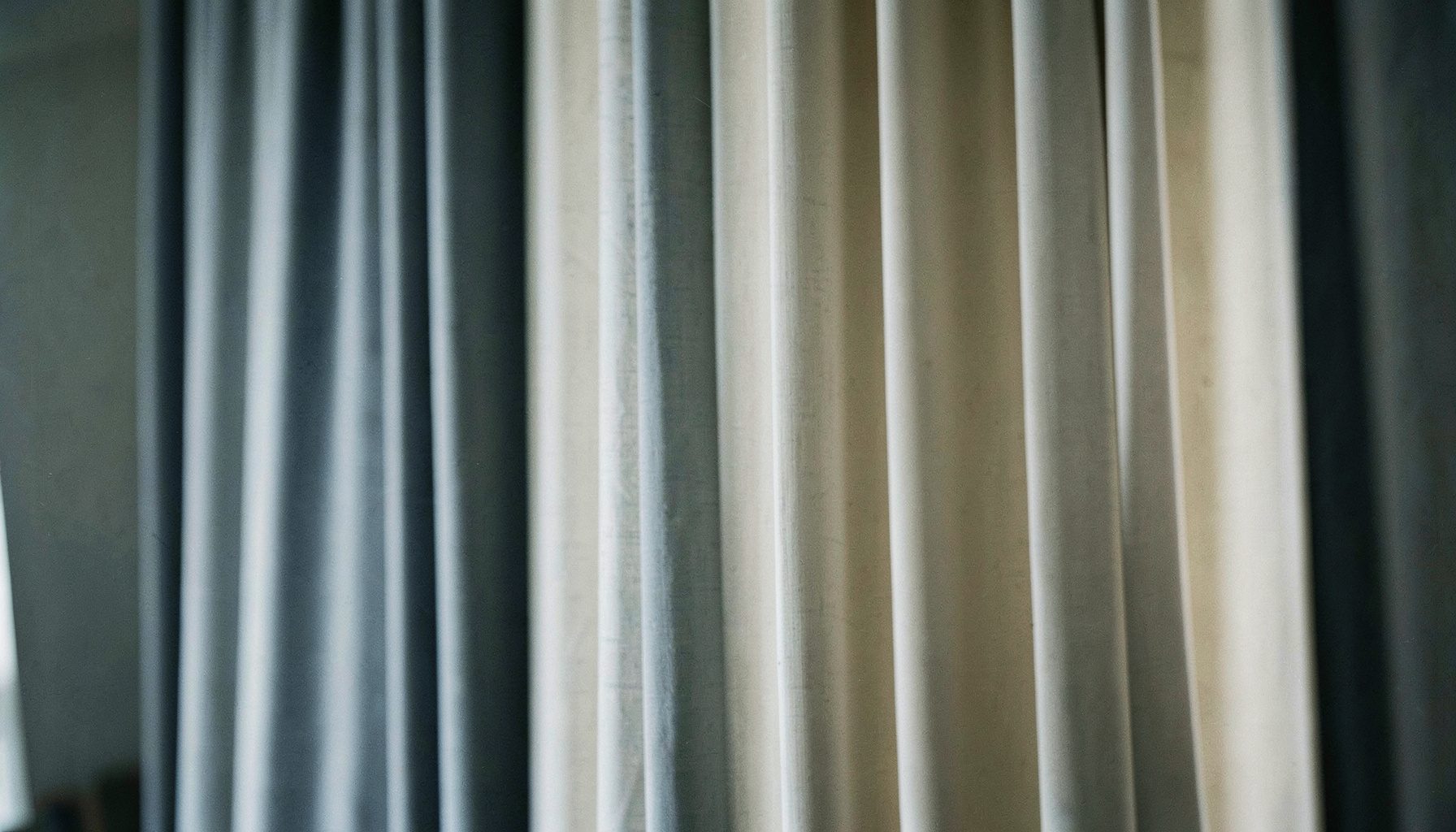
Hanging Curtains in Rooms with High Ceilings Made Simple
Tall rooms can feel like a luxury, but dressing the windows without dwarfing the architecture takes a bit of know-how. From a Victorian terrace in South Yarra to a sprawling Queenslander in Brisbane, Australian homes often come blessed with soaring ceilings that leave many homeowners wondering how on earth to hang curtains that don't look stunted. The good news is that with the right measurements, hardware and fabric choices, even the loftiest window can become a warm, framed focal point.
A floor-to-ceiling drape isn't just about drama. In cities like Sydney and Perth, where summer sun blasts through west-facing windows, properly weighted curtains also help with insulation, glare and privacy. The trick is making sure every choice suits the scale of the room.
Measure from the right starting point
Most people instinctively reach for the tape measure at the top of the existing window frame, but with tall ceilings this shortchanges the visual height. Instead, mark a starting point at least 10 to 15 centimetres above the frame, or right up near the cornice for full drama. Run the tape down to where you'd like the fabric to finish — usually 1 to 2 centimetres off the floor for a clean break, or pooled for a softer look.
It's worth measuring every window individually, even in identical rooms. Older homes, particularly Edwardian properties around Sydney's inner west, often have walls that bow slightly, meaning a single measurement can leave you with uneven hems.
Choose hardware built to bear the load
A long, heavy curtain hanging 3 metres or more off the ground puts serious strain on brackets and screws. Residential-grade rods can bow under the weight of lined drapes. Look for a centre-support bracket for any rod longer than 1.8 metres, and fix brackets into timber studs or use solid masonry anchors, which is essential in Melbourne's brick terraces.
A ceiling-mounted track disappears into the architecture and lets you layer multiple fabrics on one system, which is ideal for unusually shaped windows in heritage homes.
Select fabrics that hang with grace
Heavy weight equals better drape, which is exactly what tall windows need. Velvet, wool blends and tightly woven linen-cotton mixes fall into clean vertical lines instead of flopping outwards. If your home opens onto a sun-drenched deck, consider a light colour on the outward side to reflect heat, paired with a darker lining for glare control inside.
Order swatches and view them at different times of day before committing. Coastal homes around Adelaide often benefit from lined fabrics that block UV damage to timber floors, while inland Queensland can benefit from heavier interlining to keep afternoon heat out of living areas.
Mount brackets high and wide
The standard rule — mount brackets around 20 centimetres above and 15 centimetres wider than the frame — holds true, but in a 4-metre ceiling you can push it further. Aim for brackets 25 to 30 centimetres above the frame so the eye travels upward. Extending the rod 20 to 30 centimetres past the frame on each side also gives the curtains room to stack clear of the glass, flooding the room with light.
If you're renting or can't fix into heritage plasterwork, consider a tension rod inside the reveal paired with clip-on panels, or a discreet floor-to-ceiling pole tucked behind the curtain itself.
Play with colour and length
Vertical stripes, subtle texture and tone-on-tone patterns reinforce the sense of height, while bold horizontal prints can chop the room in half. Paint the wall a soft, light tone where the curtains meet the ceiling — a trick interior designers in Brisbane and Melbourne often use to lift the eye upward.
Don't forget the hem. Curtains landing just shy of the floor suit modern Australian apartments, while a generous pool of fabric feels right in a grand formal sitting room or Hamptons-style rebuild.
Layer sheers with blockout panels
Two layers on one track give you the best of both worlds — diffused daylight during the day and complete privacy at night. A sheer linen voile softens harsh sun without darkening a home office, while a blockout lining shuts out early morning light in bedrooms. The added mass also helps absorb street noise in busy inner-city suburbs.
When ordering custom panels, you can specify interlining, lining-only or full blockout depending on the room and aspect, which makes the process far easier than piecing together components from separate suppliers. Factory Direct Drapes offers a wide custom range tailored to Australian homes.
Hanging curtains in a high-ceilinged room doesn't need to feel like a renovation-sized project. With careful measuring, robust hardware and fabric suited to the local climate, even a 4-metre drop can look polished and intentional. If you'd like panels tailored to your exact drop, width and fabric choice — all backed by a lifetime workmanship warranty — the custom curtain range from Factory Direct Drapes can take the guesswork out of every window in your home.