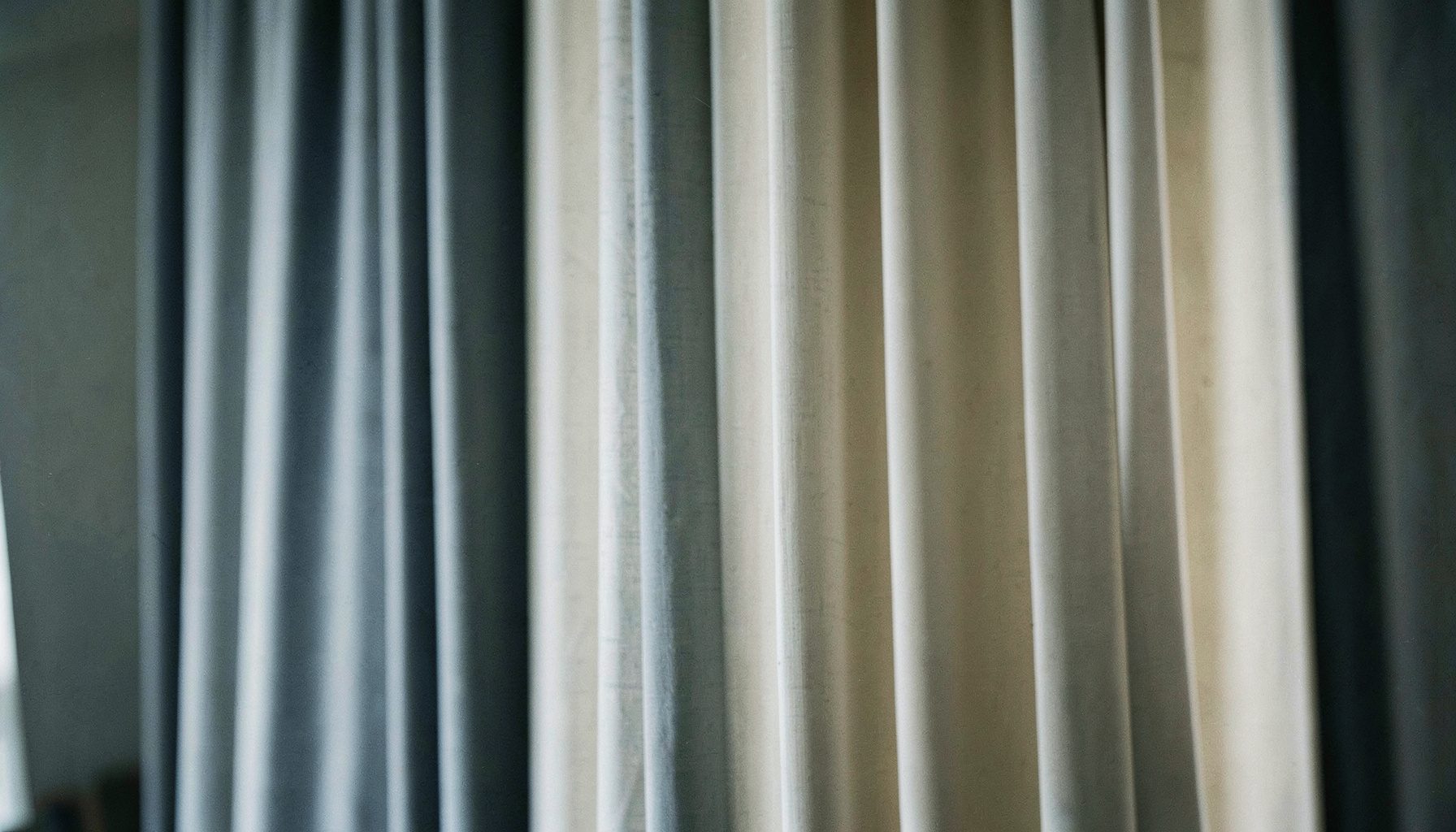
How to layer curtains for a soft, hotel-style finish
Layered curtains have quietly become one of the most requested window treatments across Australian homes, from renovated terraces in Paddington to new builds on the urban fringe of Melbourne. The technique combines two or more panels hung on the same window, blending function with a sense of depth that single panels rarely achieve. When done well, the result softens harsh sunlight, improves insulation, and adds a tailored finish that rivals custom interiors.
Australians are spending more time at home than ever, and the appetite for hotel-grade comfort has shifted from Pinterest boards to actual living rooms. Pairing a sheer inner layer with a heavier outer drape gives you privacy without blocking the light during those long summer evenings in Brisbane, while still offering warmth when the southerly wind hits Adelaide. It also opens up a wider range of styling possibilities, from relaxed coastal palettes to richer, more dramatic tones.
This guide walks through the practical decisions behind layered window dressings, from choosing fabrics that suit the local climate to picking hardware that holds up to coastal conditions. A few small choices can transform a flat-looking room into something that reads as thoughtful and intentional.
Start with a sheer base layer for light control
A sheer base layer does the heavy lifting in any layered setup, diffusing bright Australian sunlight without sacrificing the view. In apartments overlooking Sydney Harbour or in a living room that opens onto a north-facing deck in Perth, a quality voile softens glare while letting the room glow. White, ivory, and oat-toned sheers are the most forgiving choices because they disappear into the window when the heavier layer is closed.
Look for fabrics with a tight weave that still allow some airflow, especially in humid coastal towns like Byron Bay or Cairns where moisture can make windows sweat. Linen-look polyesters tend to perform better than natural linen in these conditions, holding their shape through the muggy months. The base layer also acts as a buffer for the decorative drape, reducing direct contact with the sun and extending the life of the more expensive fabric on top.
For renters in Melbourne's inner north, peel-and-clip sheer panels can be a smart temporary option that still allows for layering without permanent drilling into heritage-listed window frames. Many landlords now permit light-touch window treatments, particularly when they add value to the property.
Build depth with a decorative outer panel
The outer panel is where personality enters the room, and where Australians have real freedom to play. Heavy cotton, velvet, or a textured woven in a deeper tone grounds the window and gives the eye somewhere to rest. In a federation home in Camberwell, a rich charcoal or forest green pairs beautifully with the warm timber details that characterise the architecture.
Pattern is worth considering, particularly in rooms where the furniture is fairly neutral. A subtle botanical or geometric print on the outer drape introduces movement without overwhelming a small space. A practical note: lined drapes in Australia are often a smart investment because they block UV damage to timber floors, a real concern in sun-drenched rooms across Queensland.
Length matters as much as fabric. Curtains that just kiss the floor read as modern and unfussy, while puddled panels feel more romantic and traditional. For a luxe hotel feel in a Brisbane apartment, opt for panels that break at the floor by about a centimetre, allowing the fabric to hang cleanly without dragging.
Choose hardware that handles the weight and the climate
Two layers mean two rods, and that hardware needs to be considered as carefully as the fabric itself. In Australia, salt air in coastal suburbs like Coogee or Fremantle will corrode cheap metal brackets within a season, so look for powder-coated steel or solid brass. A double rod system with a clear separation between tracks keeps the layers from tangling and makes opening and closing a smooth daily task.
Mounting height is often overlooked but makes a significant difference. Hanging rods ten to fifteen centimetres above the window frame draws the eye upward and makes ceilings feel taller, a useful trick in older Australian homes with standard 2.4-metre ceilings. Returns on the sides also block light gaps, which is helpful in bedrooms facing east where the early summer sun can feel relentless.
If the window is wide, consider a centre-bracket support to prevent sagging. Nothing undercuts a luxurious curtain display faster than a rod that bows in the middle, an issue that becomes more pronounced with heavier lined drapes.
Match fabric weight to room purpose and climate
Different rooms ask different things from a layered window treatment, and fabric weight is a major part of that conversation. Bedrooms benefit from heavier, lined drapes paired with a sheer to create true darkness in the early hours, especially during bright summer mornings in Hobart or Adelaide. Living areas can lean lighter, prioritising filtered light during the day and a softer, more breathable feel at night.
Australians are increasingly aware of energy costs, and layered curtains deliver measurable insulation benefits. A properly lined drape with a sheer behind it can reduce heat gain through west-facing windows by a noticeable margin, lowering the load on reverse-cycle air conditioning during a Melbourne heatwave. Some homeowners in bushfire-prone regions also seek out fire-retardant fabrics, which are worth specifying when ordering custom work.
For a deeper look at how different weights fall and behave, this guide to fabric weight and drape explains how to match materials to window size and light conditions.
Style the room to feel considered, not busy
The last step is making sure the rest of the room supports the layered look rather than competing with it. Keep wall colours and large furniture in a quieter range so the curtains can carry the visual weight. A simple sofa, a textured rug, and a single piece of artwork often work better than a crowded gallery wall when the windows are already making a strong statement.
In open-plan homes, which are common in new Australian builds from the Sunshine Coast to the Sutherland Shire, layered curtains help define zones without the need for additional walls. Using a slightly different fabric combination in the living area versus the dining space signals a change in function while keeping the overall palette cohesive.
If you're weighing up soft furnishings alongside the window treatment, it can help to compare broader furniture choices in parallel. Reading through a piece on corner versus straight sofas gives a useful sense of how different shapes shape a room, which often informs whether a more structured or relaxed curtain style will feel right.
Layered curtains reward thoughtful planning, and the right combination of sheers, drapes, and hardware can lift an entire home. Factory Direct Drapes offers custom-made panels in a wide range of fabrics, with free samples, measuring guidance, and a lifetime workmanship warranty. Browse the collections, order your swatches, and start designing windows that look as good as the rest of your home.