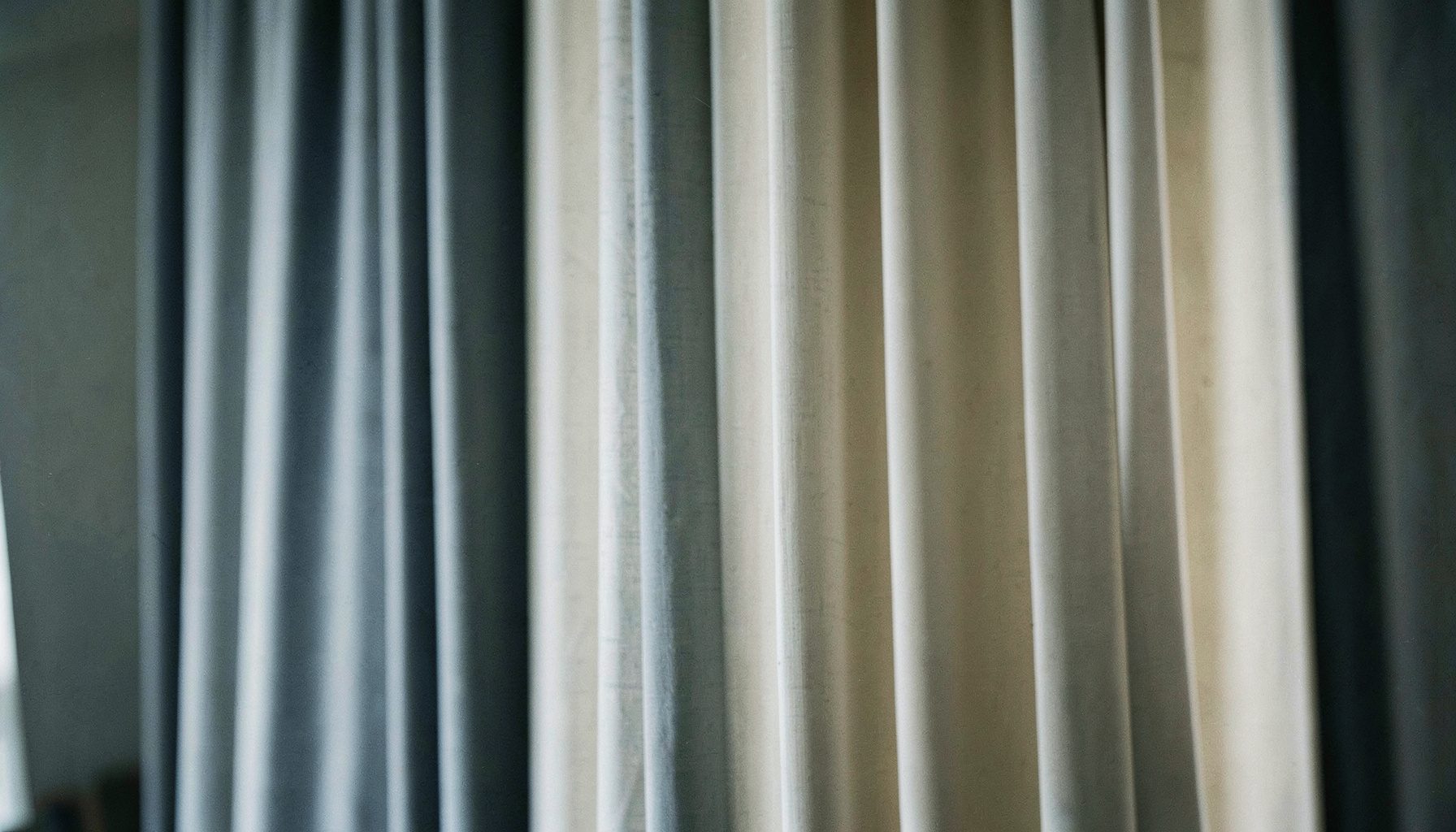
Designing a Formal Living Room with Elegant Drapery
A formal living room serves as a stage for hosting guests, a quiet retreat for evening conversation, and a visual anchor for the entire home. When the window treatments are chosen with care, drapery becomes the single most transformative element in the space, softening architecture, filtering daylight, and framing the view beyond. For Australian homes, where bright sun, open-plan layouts, and a love of indoor-outdoor flow shape decorating decisions, elegant drapery must balance beauty with performance.
The right curtains can elevate a room from simply tidy to genuinely refined, signalling intentionality in every fold and finish. Whether you are restoring a Victorian terrace in Melbourne, refreshing a coastal apartment in Sydney, or finishing a new build in Brisbane, custom drapery offers the precision and personality that off-the-shelf panels rarely deliver.
Selecting Fabrics that Suit the Light
Australian light is famously intense, and a formal living room often sits at the front of the house where it catches the strongest afternoon sun. Heavy silks, brushed velvets, and lined linen blends drape beautifully while providing the opacity needed to prevent fading of timber floors and upholstery. Lighter fabrics such as sheer cotton or voile work well as an underlayer, allowing filtered light during the day and privacy after dark.
In warmer regions like Perth and Adelaide, breathable natural fibres help the space feel comfortable even when temperatures climb. Consider a tonal palette drawn from local landscapes, such as soft eucalyptus greens, warm terracotta, sandy neutrals, or the muted blues of a harbour view.
Hardware, Length, and Proportion
The difference between ordinary and exceptional drapery often lies in the details that frame it. A properly mounted rod or track, installed ten to fifteen centimetres above the architrave and extending wider than the window, makes ceilings appear taller and windows larger. Finials in aged brass, polished nickel, or matte black introduce a tailored finishing touch that complements the room's other metals.
For floor-grazing length, measure from the top of the rod to where the fabric should rest, typically just kissing the floor or pooling slightly for a more traditional silhouette. This is especially important in heritage homes throughout suburbs like Paddington, Hawthorn, and Unley, where proportions tend to be generous and ceiling heights often exceed three metres. Understanding how to create a cohesive look with drapes and blinds becomes far easier when the hardware matches the architecture and the fabric weight.
Layering for Function and Depth
A formal room invites layering, and drapery is the ideal place to introduce it. Pairing a sheer curtain with a heavier lined panel offers flexibility: sheer alone during the day for diffused light, full panels drawn at night for insulation and privacy. In Australian homes, this combination also supports energy efficiency, reducing heat gain through west-facing windows in summer and heat loss during cool southern winters.
For a more decorative statement, a valance or pelmet can crown the window, hiding the hardware and adding architectural weight. This treatment suits the ornate cornices found in many federation and interwar homes across Sydney and Melbourne, where the original plasterwork often calls for a similarly detailed window dressing.
Styling the Surrounding Room
Elegant drapery should never compete with the rest of the room; it should converse with it. Coordinate tiebacks with cabinetry hardware, echo the curtain pattern in cushion piping, and let the fabric colour guide accent tones elsewhere in the space. A single sculptural piece near the entrance, such as decorative statues for entryways, can establish the formal tone even before guests reach the living room.
Lighting also plays a supporting role. Wall sconces flanking the window, a statement chandelier centred in the room, or a pair of buffet lamps on a sideboard all draw the eye toward the dressed windows and create a layered glow after sunset, when the drapery's lining and pleats become most visible.
Australian Considerations for Custom Drapery
Buying custom locally offers practical advantages for Australian homeowners. Local manufacturers understand the specifics of Australian window sizes, which often differ from standard American or European dimensions, and can advise on fabrics suited to UV exposure. A lifetime workmanship warranty provides peace of mind, particularly for investment pieces intended to last decades through harsh sunlight and seasonal changes.
State-specific regulations may also influence choices. In bushfire-prone zones of New South Wales, Victoria, and South Australia, certain areas require ignition-resistant materials, and a knowledgeable supplier can guide selections that meet Australian Standards. For period homes, heritage overlays in councils such as Woollahra, Stonnington, or the City of Adelaide may affect exterior-facing window treatments, so it is worth checking local guidelines before ordering.
Recommendations for an Elegant Formal Room
- Choose lined fabrics in a tonal palette inspired by Australian landscapes.
- Mount rods high and wide to enhance ceiling height and window scale.
- Layer sheers with heavier panels for light control and energy efficiency.
- Coordinate hardware finishes with other metals throughout the room.
- Allow professional measuring and fitting to ensure floor-grazing length.
Begin with a fabric sample, plan the layers and hardware with care, and your formal living room will feel considered, comfortable, and quietly impressive for years to come. Request swatches, consult with specialists who can guide every measurement and finish, and bring a sense of refined personality to the heart of your home.