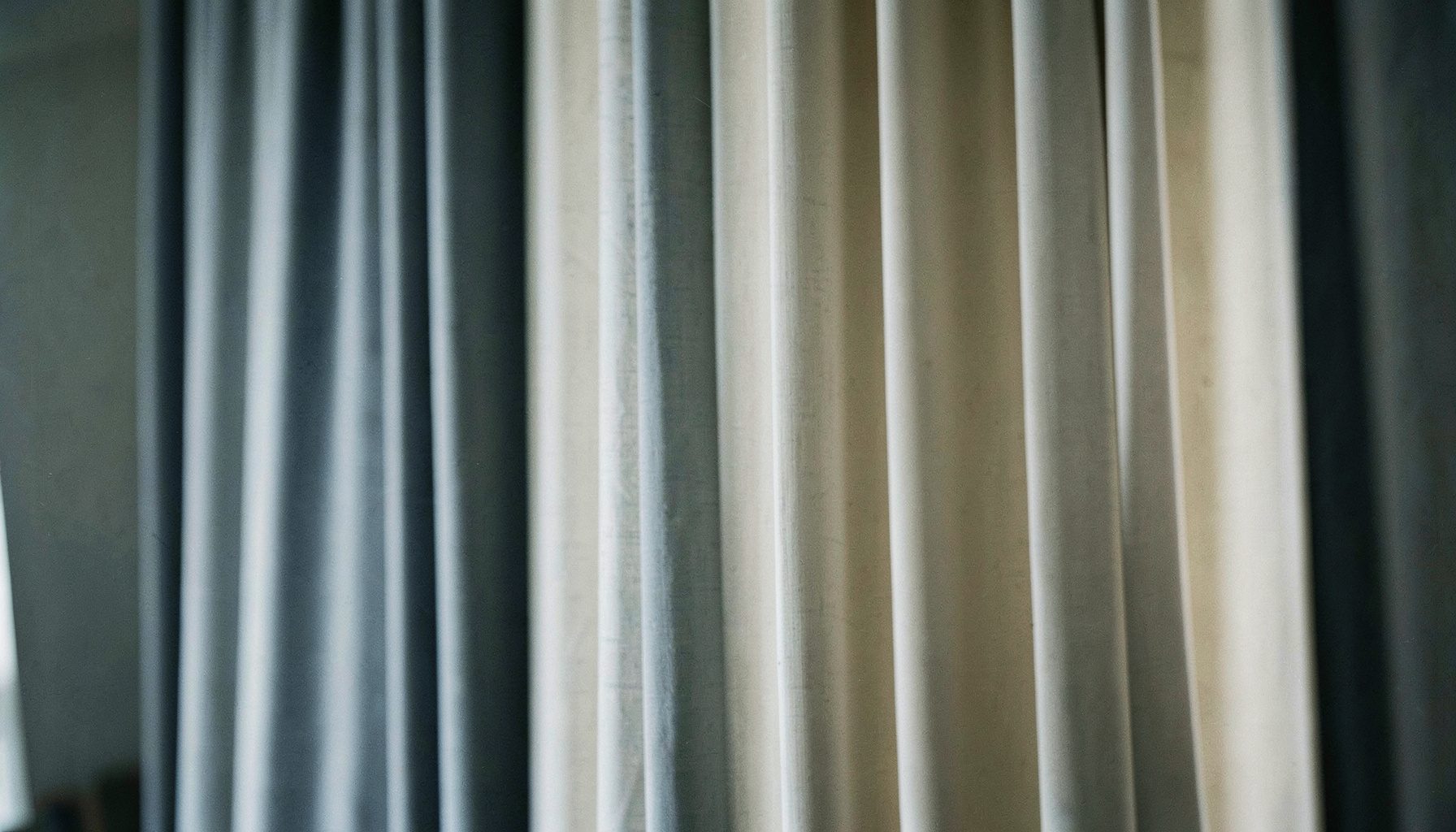
How to Choose Blackout Drapes for a Nursery or Bedroom
A dark, comfortable room can make bedtime easier, especially during bright Australian summers when the sun lingers late into the evening. Blackout drapes reduce incoming daylight, soften outside noise and help create a calmer environment for sleep, whether you are preparing a nursery in Brisbane or refreshing a main bedroom in Melbourne.
The best window treatment combines light control with safe construction, suitable fabric and an attractive finish. Look beyond the colour on the sample: lining, fullness, track style and the way the drapes overlap at the centre all affect how much light reaches the room.
Australian homes also have different demands from season to season. A north-facing window can receive intense sun, while older homes may have draughty frames or unusual window sizes. Custom-made curtains are useful when standard retail panels leave gaps at the sides or hang too short.
Factory Direct Drapes makes custom draperies in America and offers fabric samples, measuring guidance and installation resources. Ordering online means allowing time for fabric selection, production and delivery to Australia, so begin planning before a nursery makeover or bedroom renovation reaches its final stage.
Choose The Right Level Of Light Control
“Blackout” and “blockout” are often used interchangeably, but the result depends on the full window system. A blackout lining blocks most light through the fabric, while gaps above, below and beside the curtain can still allow bright strips into the room. For a sleeping baby, layered coverage is usually more effective than relying on a dark-coloured face fabric.
Measure the window recess, architrave and floor clearance carefully. Drapes that extend well beyond the frame reduce side leakage, and a ceiling-mounted track or return around the edges can improve coverage. For an especially sunny room, combine blackout curtains with a close-fitting blind, provided the blind has a child-safe operating system.
Consider Fabric, Insulation And Colour
A dense woven face fabric with a quality blackout lining gives the drape body and helps it fall neatly. Thermal lining can also reduce heat transfer, which is valuable in a west-facing Sydney bedroom during summer or in a chilly Adelaide room during winter. It will not replace proper glazing or insulation, but it can make the space feel more stable.
Colour affects the mood as well as the practical result. Soft cream, muted blue, sage and warm grey suit nurseries without becoming overly themed, while deeper tones can create a cosy bedroom. Ask for samples and view them in morning, afternoon and artificial light. Sun management matters in interiors just as it does in an Australian garden; Down Under gardening ideas offer a useful reminder of how strongly local light can shape everyday choices.
Prioritise Child Safety
Cord safety should be central when selecting nursery window coverings. Keep operating cords and chains out of reach, use approved tensioning or cleat systems where applicable, and position furniture away from the window. A cordless curtain track or motorised system may be worth considering, particularly for a low window beside a cot.
Check current Australian safety requirements and installation instructions before ordering. Child-safe operation is important in any state, whether the room is in Perth, Canberra or the Gold Coast. Also consider the curtain’s weight and how securely the track or rod will be fixed into the wall or ceiling, especially in homes with plasterboard construction.
Select A Pleat And Hanging Style
The heading style changes both the appearance and the amount of fabric needed. Pinch pleats create a tailored, traditional finish with evenly arranged folds, while wave headings produce a smoother contemporary line. Eyelets can look casual but may allow more light around the top unless the rod and fabric extend high above the frame.
For a polished bedroom, compare how each style stacks when opened and how much window glass remains visible. This pinch pleat guide explains when that structured finish may suit your room. A decorative rod can add character, while a traversing track is often easier to operate every day.
Match The Drapes To Daily Life
A nursery curtain should be easy to open quietly during naps and simple to clean when life gets messy. Choose durable fabric, ask about care instructions and avoid finishes that require frequent specialist cleaning if the room will see heavy use. In a bedroom, think about whether you want the panels fully closed at night, partially drawn for privacy or layered with sheers during the day.
Take account of furniture placement, heating vents and any balcony or garden door. In a compact Melbourne terrace, a track that allows the panels to stack neatly may preserve valuable space. In a Queensland home, breathable decorative layers can keep the room feeling lighter when the blackout panels are open.
The custom drapery range includes made-to-measure curtains, insulated and blackout options, fabric samples and support with measuring. A lifetime workmanship warranty can also provide reassurance when investing in window treatments intended to last through changing décor and family routines.
Order samples before committing, confirm your measurements twice and specify the level of light control you need. With the right lining, safe hardware and well-planned coverage, blackout drapes can make a nursery or bedroom cooler, quieter and far more restful.