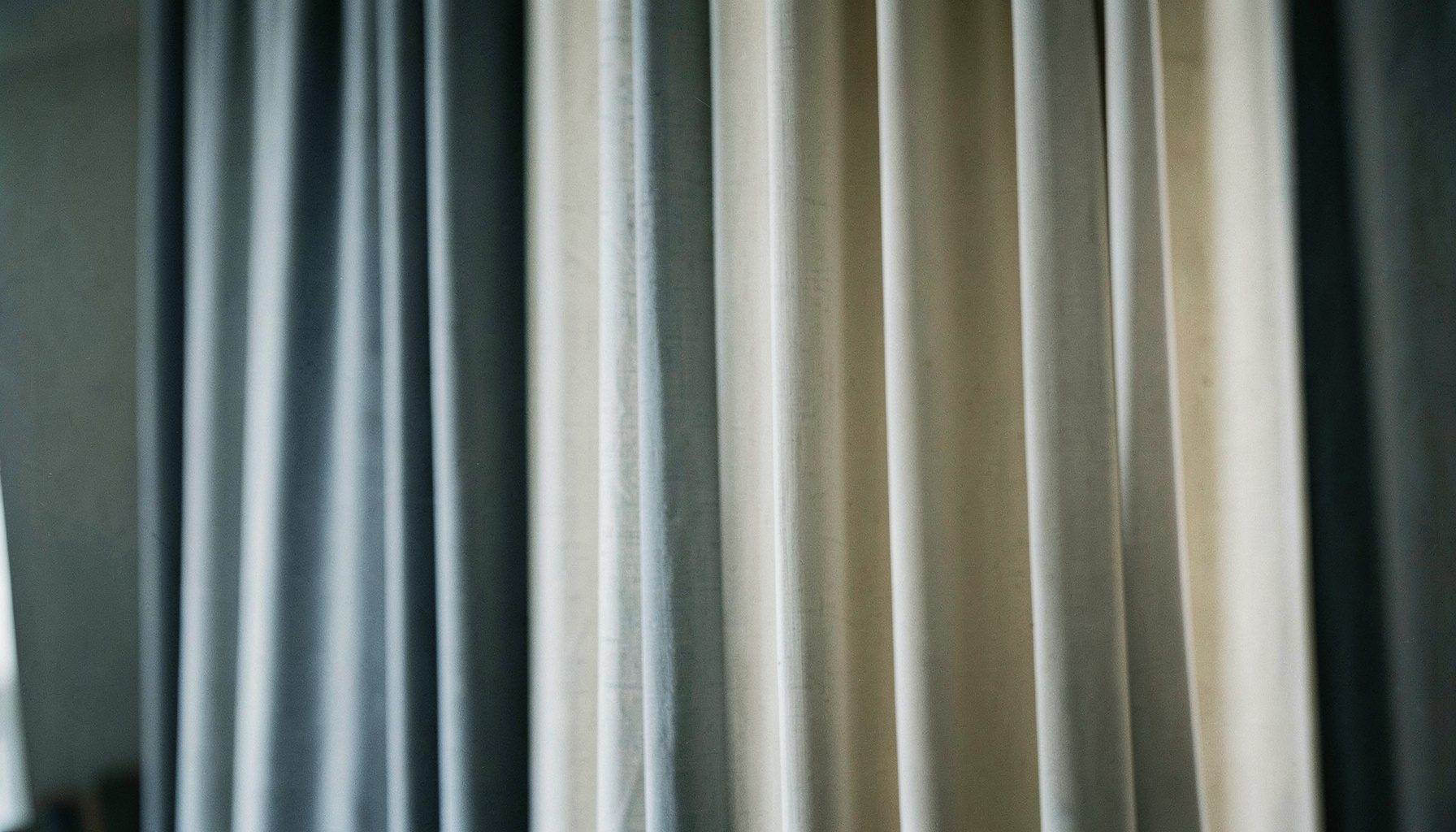
Custom Valances for Kitchen Windows: Style and Function
A well-chosen valance can give a kitchen window a finished look without blocking valuable daylight. These decorative fabric treatments soften hard surfaces, conceal hardware and add colour above a sink, breakfast nook or bank of cupboards. With made-to-measure sizing, a valance can also suit unusual window shapes and the compact proportions common in Australian homes.
Style is only part of the decision. Kitchen window coverings need to handle steam, cooking odours, strong sunlight and regular cleaning. Selecting the right heading, fabric weight and lining helps create a treatment that looks polished while supporting privacy, glare control and everyday practicality.
Choose Proportions That Suit the Window
The width of a valance should usually extend beyond the window frame, allowing the fabric to frame the opening rather than appear narrowly fitted inside it. A gathered style creates softness, while a tailored valance with clean edges works well in contemporary kitchens and apartments.
Height is equally important. A short valance can make a small window feel taller when positioned above the frame, but an oversized treatment may crowd overhead cabinetry. In a Sydney terrace or Melbourne worker’s cottage, measure the space between the ceiling, cupboards and benchtop before choosing a drop.
Balance Privacy and Natural Light
Kitchen windows often need flexible light management. A shaped valance paired with café curtains, Roman shades or roller blinds can filter harsh afternoon sun while keeping the room bright during the day. For bedrooms or open-plan areas adjoining the kitchen, an insulated or blackout lining may be useful where glare and heat are concerns.
Australian sunlight can be intense, especially through north- and west-facing windows in Brisbane, Perth or Adelaide. Fade-resistant fabrics and protective linings help preserve colour. A valance can also hide the headrail of a practical blind, giving the entire window a more decorative appearance.
Select Fabrics for Kitchen Conditions
Cotton blends, linen-look textiles and washable synthetics are popular choices for kitchen valances because they provide texture without demanding difficult care. Smooth fabrics are less likely to retain dust and cooking residue, while medium-weight materials hold pleats and tailored shapes effectively.
For a coastal home near the Gold Coast, relaxed linen-style fabric can complement timber and natural stone. In a busy family kitchen, a durable polyester blend may be more sensible than delicate silk. Requesting fabric samples makes it easier to assess colour under your own lighting and compare the textile with splashbacks, cabinetry and flooring.
Coordinate Colour With the Room
A valance can introduce a gentle accent colour or repeat a shade already present in the room. Soft eucalyptus, warm sand, navy and muted terracotta suit many Australian decorating palettes, while checks and botanical patterns bring character to country or Hamptons-inspired kitchens.
Use the window treatment to connect separate areas in an open-plan layout. A small patterned valance can echo dining chairs or artwork without matching every surface exactly. If the kitchen already contains bold tiles or veined stone, a plain fabric with subtle texture will usually create a calmer result.
Pair Valances With Suitable Hardware
The rod or track affects how the valance hangs and how easily it can be removed for cleaning. A rod with decorative finials suits a relaxed café or provincial look, while a concealed board or streamlined track supports a tailored modern design. Ensure the hardware can carry the fabric comfortably and extends far enough to clear the window opening.
Before ordering, review this curtain rod guide to compare finishes, proportions and mounting approaches. Bronze, brushed nickel and matte black can each work beautifully, but the finish should relate to tapware, cabinet handles or nearby lighting rather than compete with them.
Measure for a Custom Fit
Measure the window width in several places because older Australian houses may have frames that are slightly uneven. Record the finished width, desired drop, mounting position and any obstructions such as handles, awnings or cabinetry. Factory Direct Drapes provides measuring guidance and custom sizing, which is helpful when standard ready-made dimensions leave awkward gaps.
Consider how the valance will be cleaned and maintained before finalising the design. Removable treatments are convenient above a cooking area, and a washable fabric may be preferable for a home with children or frequent entertaining. If the kitchen forms part of a renovated open-plan living zone with a compact fireplace, keep the fabric well clear of heat sources and follow safe clearance requirements.
Practical Details Worth Prioritising
A beautiful window treatment should support the way the room is actually used. Before placing an order, check the fabric care instructions, lining options, mounting surface and clearance from cooktops, sinks and ventilation. These details help prevent a decorative choice from becoming a daily inconvenience.
Keep the selection focused with these recommendations:
- Choose a washable, fade-resistant fabric for windows exposed to steam or strong sun.
- Extend the valance beyond the frame so the window appears balanced and finished.
- Pair decorative fabric with a blind when privacy or glare control changes throughout the day.
- Match the hardware finish with existing kitchen metals for a cohesive look.
- Order samples and confirm measurements before committing to a pattern or colour.
Custom valances can make a kitchen feel more considered while quietly improving privacy, light control and visual balance. Explore available fabrics, lining choices and made-to-measure styles, then use the measuring and installation resources to create a window treatment suited to your Australian home.