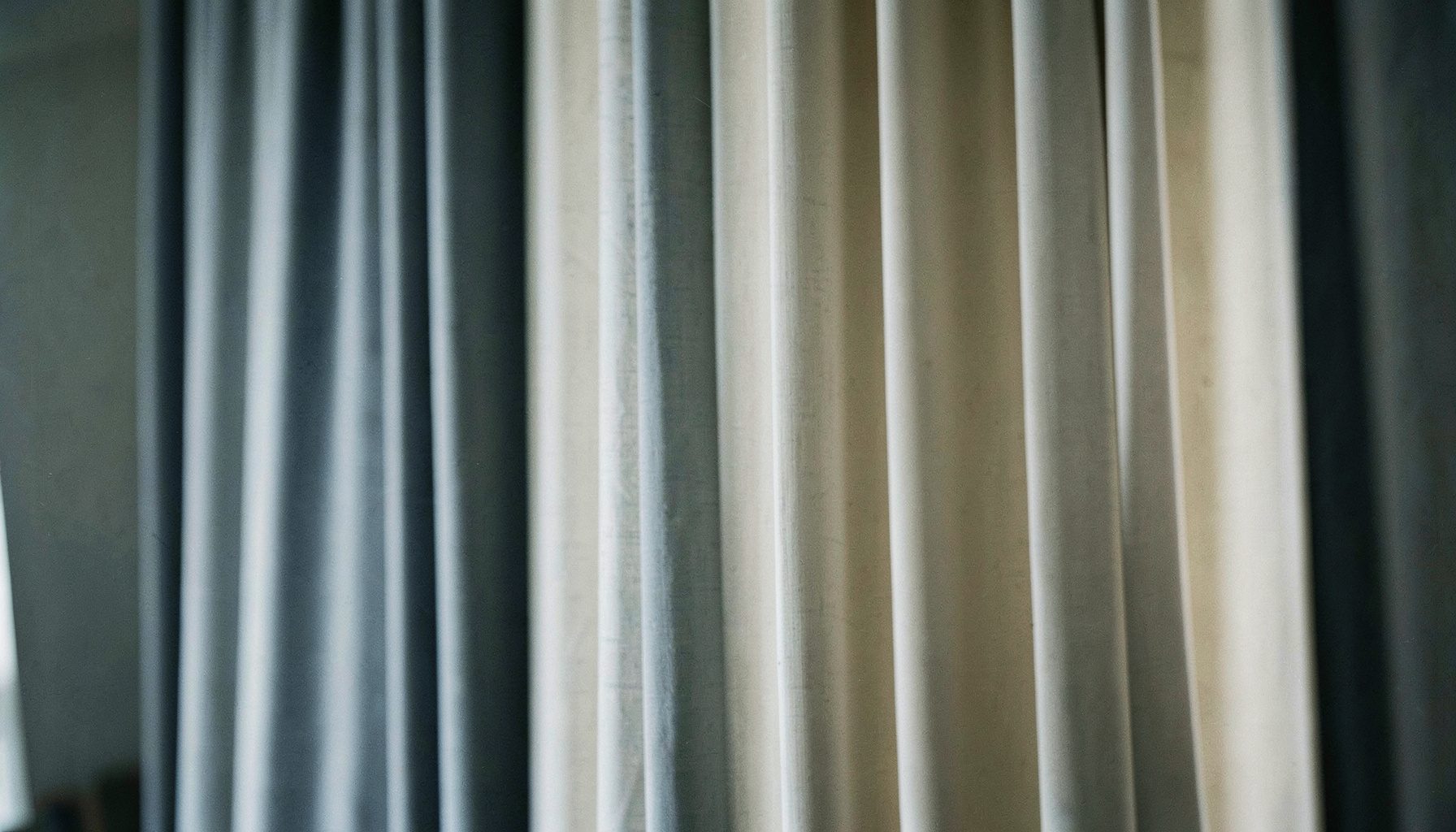
Warmth and texture with curtain panels for every Australian home
As the evening chill settles over suburbs from Hobart to Toowoomba, many households reach for the same simple fix: richer, more tactile window treatments. Curtain panels do more than block light; they soften acoustics, trap warmth, and give a room its emotional weight. In open-plan layouts that have become standard in new Australian builds, fabric is often the element that ties a space together.
The local climate throws plenty at our windows. Harsh UV in Perth, salty breezes in Coffs Harbour, and crisp winter mornings in Canberra all influence how we dress a window. Fortunately, custom drapery can be tailored to suit orientation, aspect, and lifestyle, making it a year-round investment rather than a seasonal afterthought.
Custom curtain panels also answer a uniquely Australian need for flexibility. Heritage cottages in Adelaide, beach shacks in Byron Bay, and contemporary apartments in Melbourne's inner north each call for different proportions, weights, and finishes. Ready-made options rarely tick every box, which is why made-to-measure solutions have grown in popularity across the country.
Below are practical approaches for layering, fabric selection, colour, hardware, and climate-smart performance, followed by a checklist of styling moves to try this weekend.
Layered drapery for visual depth
A single panel often looks flat, especially across wide sliding doors that connect modern Australian homes to outdoor entertaining areas. Pairing a sheer base layer with a heavier outer panel creates depth, filters harsh afternoon sun, and adds insulation without darkening the room completely. Sheers soften the glare on east-facing windows in Brisbane summers, while the outer drapes can be drawn for privacy after sunset.
Layering also allows seasonal swaps. Lightweight linens work beautifully from September to March, while heavier velvets or brushed cottons can take over from May through August. Many homeowners rotate two sets of panels on the same rod, refreshing the room without redecorating. This approach suits the Australian habit of frequently updating interiors to match the rhythms of the weather.
Tactile fabrics that feel like home
Texture is what separates a forgettable window from a soulful one. Linen offers a relaxed, slightly rumpled feel that echoes coastal homes from Margaret River to the Mornington Peninsula. Cotton velvet brings a subtle sheen and weight that suits formal living rooms in Victorian terraces. For high-traffic family areas, a polyester-cotton blend resists fading and is easy to wash, an important consideration for homes with pets or small children.
Australian-made drapery often uses fabrics milled locally or sourced from suppliers familiar with our UV conditions. Look for materials tested for colourfastness, as unprotected textiles can bleach quickly behind north-facing glass. Sampling at home before committing is a small step that prevents costly mismatches and supports local makers.
Earthy tones inspired by the landscape
The Australian palette offers a generous starting point. Terracotta, eucalyptus, deep ochre, and storm-grey all reference the natural environment and pair easily with both contemporary and period architecture. In a Federation home in Sydney's Inner West, for instance, moss-green panels can echo original leadlight detailing without competing with it.
Coastal properties often lean toward softer, sand-washed neutrals, while inland homes may embrace the warmer side of the spectrum. Choosing colours found within a few hundred kilometres of the property tends to create harmony, as the eye recognises the familiar and relaxes. Custom dye lots also ensure consistency across multiple panels, avoiding the patchwork effect that plagues some ready-made ranges.
Hardware choices that complete the look
The rod is the unsung hero of any drapery setup. Finials, brackets, and pole diameters all influence how a panel hangs and how much visual weight it carries. In Queenslander renovations around Brisbane, slim black rods tend to suit the clean lines of the architecture, while ornate brass poles flatter the plaster ceilings of Victorian terraces in Melbourne.
When selecting hardware, it helps to coordinate it with the fabric's weight and the room's style. A thorough curtain rod selection guide walks through bracket spacing, return length, and finial shapes that complement heavier drapes. Investing an extra moment here ensures the panels hang correctly and the hardware does not buckle over time.
Energy efficiency and Australian climate
Window treatments contribute meaningfully to a home's thermal envelope. The Window Energy Rating Scheme rates how well a window system performs, and well-fitted curtain panels can lift that performance considerably by reducing summer heat gain and winter heat loss. In Adelaide, where summer temperatures regularly exceed 38°C, lined or insulated panels can cut cooling costs noticeably.
Bushfire-prone regions also benefit from considering fabric choices carefully. Some Australian drapery manufacturers offer treatments that meet relevant building standards for flame resistance, which is worth investigating for properties in designated bushfire attack level zones. Pairing pelmets with the panels further improves performance by sealing the gap at the top, where air often leaks.
Practical styling moves for instant impact
- Hang panels as close to the ceiling as possible and let them puddle slightly on the floor for a relaxed, European-inspired look.
- Choose widths that are at least double the window's flat width so the fabric falls in generous folds.
- Mix textures within a single room, such as a soft linen sheer with a heavier cotton velvet, to add quiet complexity.
- Add a valance or pelmet to disguise the rod and improve thermal performance, especially in older homes with original architraves.
- Consider motorised tracks for tall or hard-to-reach windows, a feature growing in Australian new builds.
- Wash or steam panels seasonally to keep colours fresh and prevent dust build-up, particularly important for asthma or allergy sufferers.
- Swap out tiebacks for the season: leather and timber suit winter, while rattan and rope feel right in summer.
If the thought of designing the perfect window treatment feels overwhelming, a little inspiration can go a long way. BonJoyBox curates styling ideas that pair beautifully with custom drapery and can spark fresh combinations. For those ready to explore made-to-measure options, Factory Direct Drapes offers an extensive library of fabrics, measuring guidance, and a lifetime workmanship warranty, with every panel handcrafted locally and shipped across Australia.