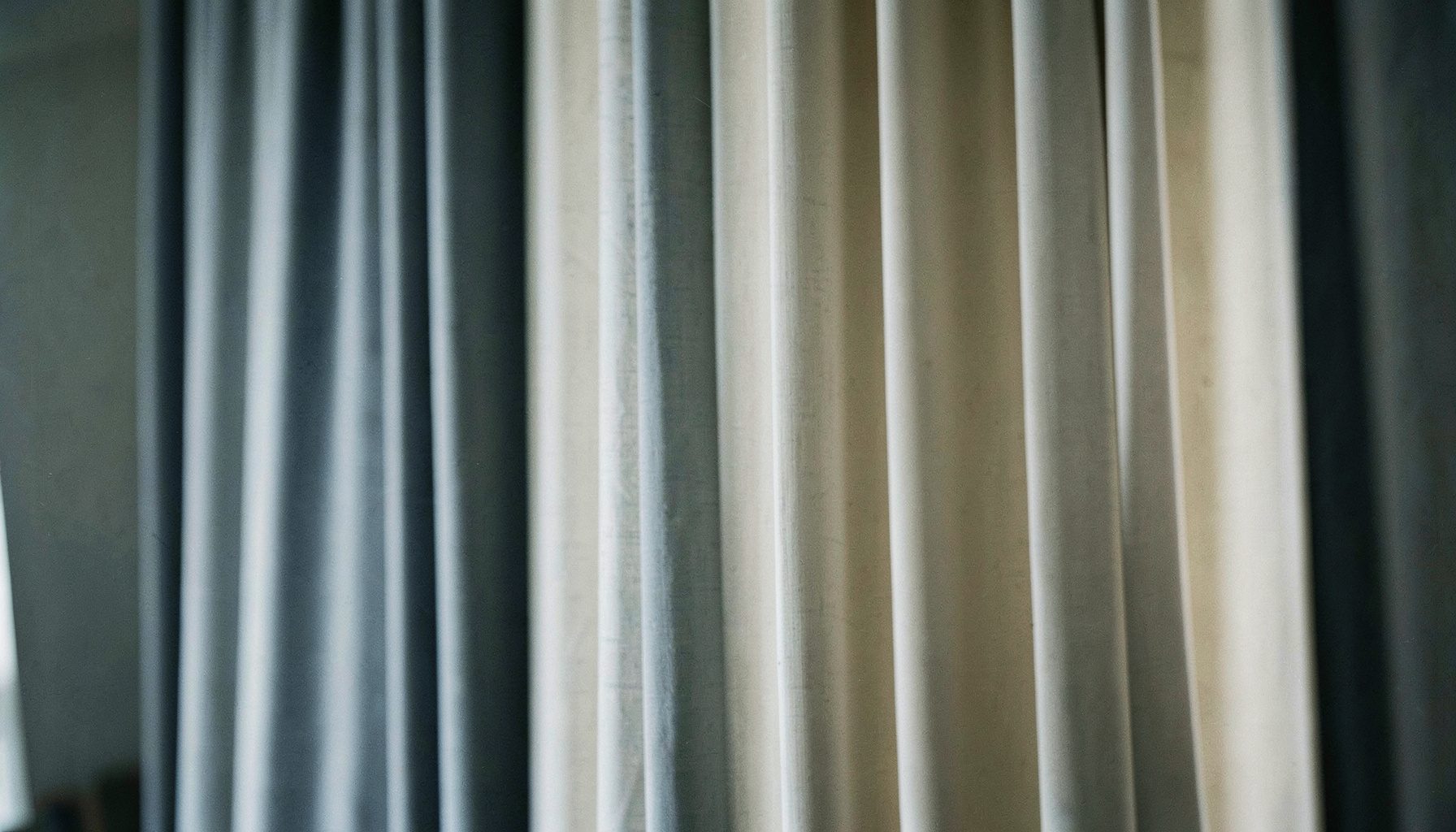
How to Choose Curtains for a Bay Window
Bay windows bring extra daylight, architectural character and a wider view, but their angles can make window treatments harder to plan. A standard pair of curtains may leave gaps at the corners, crowd the return walls or prevent the panels from opening neatly.
The best solution depends on the shape of the bay, the position of the glass and how you use the room. Consider privacy, glare, insulation, furniture placement and the amount of wall space available before choosing fabric or hardware.
Australian homes also need to account for strong sunlight and changing temperatures. A north-facing bay in Sydney or Brisbane can become intensely bright, while a Melbourne bay window may benefit from lined curtains that help retain warmth during cooler months.
Study The Bay Window Shape
Begin by identifying whether the window has three sides, a shallow angled projection, a square box shape or several narrow panels. Measure each window section separately, including the width of the wall between the glass and the nearest corner. These details determine whether one continuous bay-window track or several connected curtain rods will work best.
Check where the window opens, where handles sit and whether a curtain stack would cover part of the view. For narrow bays, curtains mounted outside the recess often create a cleaner appearance and allow the fabric to clear the glass. In larger bays, individual panels can follow each angle while preserving access to each window.
A precise measurement is especially important for older Queenslanders, Victorian terraces and renovated cottages, where walls and window frames may not be perfectly square. Record the width, height and depth at several points rather than relying on a single measurement.
Choose The Right Curtain Configuration
A pair of curtains mounted across the full bay creates a soft, unified look and is often the simplest option. It works well when the bay is used as a reading nook, dining feature or occasional seating area. Use a generous curtain width so the panels form attractive folds when closed and stack beyond the window when open.
Separate curtain panels for each section provide more control over light and privacy. This arrangement suits wide bays, rooms with multiple uses and windows that face neighbouring properties. If you like combining colours or textures, these curtain styling ideas can help you coordinate panels without making the bay look visually busy.
For a polished finish, keep the top line consistent across every section. A connected rod with corner returns gives a continuous appearance, while individual rods offer easier operation when the angles are pronounced.
Select Fabric For Light And Climate
Fabric weight should reflect the room’s exposure and purpose. Lightweight linen-look or cotton curtains filter daylight and keep a living area feeling airy, while velvet, tightly woven polyester and lined fabrics provide greater privacy and insulation. In Perth and Adelaide, where summer sun can be particularly intense, a lining helps reduce fading and heat gain.
Blackout lining is useful for bedrooms, nurseries and media rooms, especially where early summer sunrise affects sleep. Thermal interlining can make a noticeable difference near draughty glass in Canberra or during cooler nights in Melbourne. For humid coastal areas such as the Gold Coast, choose fabrics that are easy to care for and allow the room to breathe.
Always order fabric samples before committing to a full set. Colours can appear different in direct sun, shade and artificial evening light, while large folds may make a fabric look deeper or heavier than it did on a small screen.
Match Hardware To The Architecture
Curtain hardware needs to follow the bay’s geometry without competing with it. Flexible tracks are discreet and can be shaped around gentle curves, while made-to-measure rods suit angled bays and provide a more decorative feature. Finials, brackets and rings should complement existing finishes such as brushed nickel, matte black or antique brass.
Mount the hardware high enough to create a sense of height, but check the clearance above the window and any cornices first. Extending the rod beyond the bay allows curtains to stack away from the glass, making the window appear wider and preserving daylight when the panels are open.
For heavy lined curtains, use strong brackets and secure fixings appropriate to the wall material. Plasterboard, brick and timber each require different installation methods. A professional installer can also ensure that corner joints operate smoothly instead of catching as the curtains move.
Balance Privacy, Style And Practicality
Look at the bay from inside and outside the house. In close-set suburban streets, sheer curtains behind blockout drapes can provide daytime privacy without sacrificing natural light. This layered approach is practical for homes in Sydney or Melbourne where rooms may face footpaths or neighbouring windows.
Coordinate the curtain colour with flooring, upholstery and wall tones rather than matching every element exactly. Neutral panels can soften a strong architectural feature, while a muted pattern or contrasting border can make the bay a focal point. Keep pattern scale in proportion to the room so angled seams do not interrupt a large motif.
Custom manufacturing is valuable when the bay has unusual angles, tall ceilings or demanding light-control needs. Factory Direct Drapes offers made-to-measure curtains, fabric samples, blackout and insulated options, as well as measuring and installation resources for a tailored result.
Take your measurements, request samples and compare lining options before ordering. The right bay-window curtains will frame the architecture, improve comfort and give the room a finished look that works through Australia’s changing light and seasons.