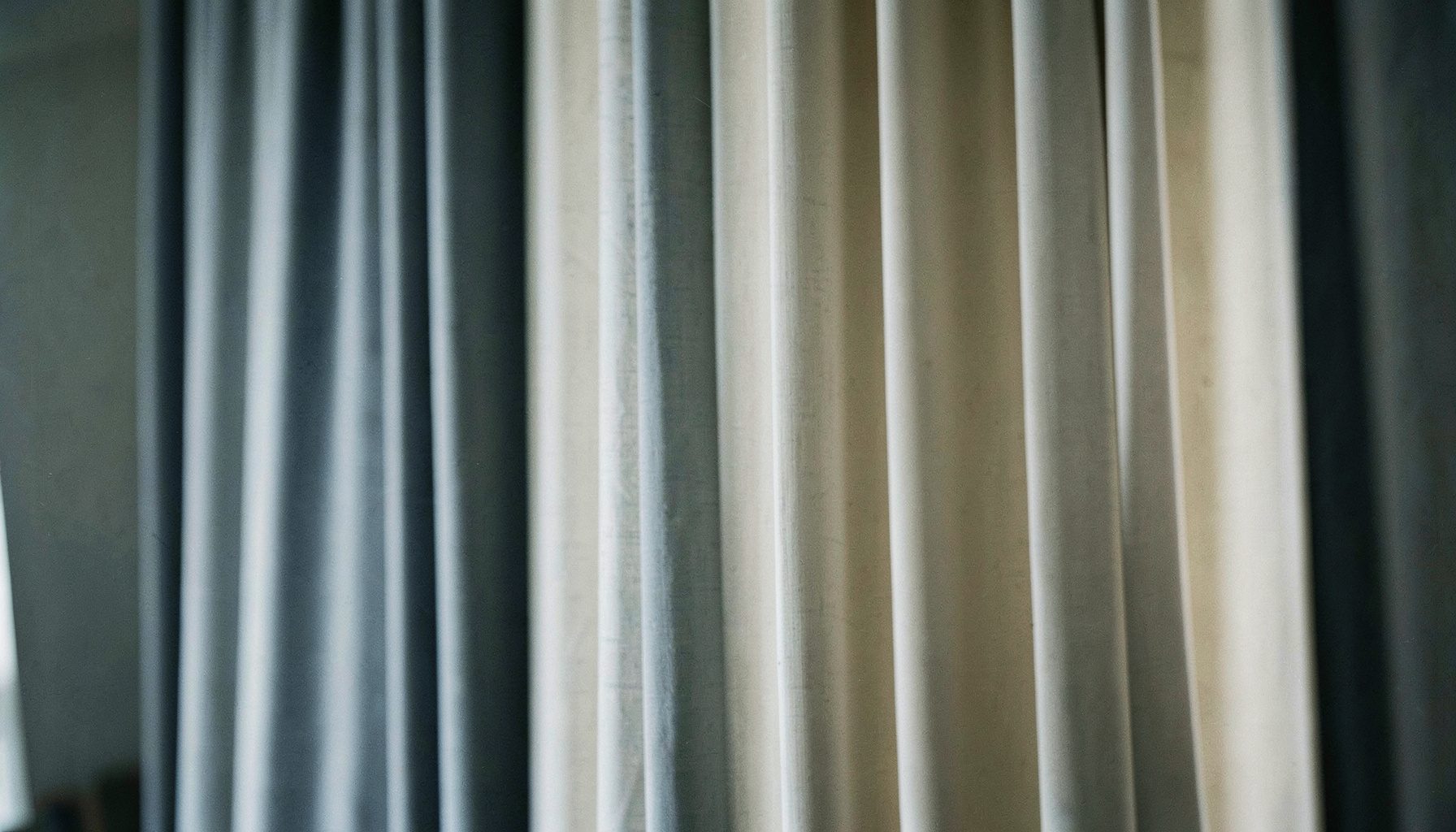
How to Mix and Match Curtain Panels for a Designer Look
Mixing curtain panels can give a room the layered, considered feel of a professionally styled interior. The key is to create relationships between colour, pattern, texture, and length, rather than choosing several fabrics that compete for attention. A coordinated window treatment can make a lounge room feel warmer, a bedroom more restful, or an open-plan space more polished.
For Australian homes, window dressing also needs to work hard. Bright northern light, summer heat, draughts in older weatherboard houses, and the practical need for privacy all influence fabric selection. Whether you are furnishing a Melbourne terrace, a coastal Queensland home, or a contemporary apartment in Sydney, custom drapery makes it easier to combine good looks with everyday comfort.
Choose A Cohesive Colour Story
Start with a palette of two or three related tones. A useful approach is to select one dominant colour, one supporting neutral, and a small accent drawn from the room’s rug, artwork, upholstery, or cushions. For example, oatmeal panels with soft sage side curtains can echo greenery without making the windows feel busy.
You can also mix different shades of the same colour. Deep navy paired with washed blue creates depth, while warm white layered with sand or mushroom suits relaxed Australian interiors. If the room already contains strong colours, keep the main curtain panels understated and use the secondary fabric for a border, sheer, or decorative side panel.
Matching does not mean making every fabric identical. Repeating one colour in different materials often looks more sophisticated than using a single fabric throughout. A linen-look centre panel beside velvet side drapes, for instance, adds contrast while keeping the overall scheme connected.
Balance Pattern, Texture, And Scale
When combining prints, vary their scale. A large botanical design can sit comfortably beside a small geometric pattern, while a fine stripe may work as a quiet bridge between the two. Avoid placing two equally bold patterns next to each other, as the window may become the room’s only focal point.
Texture is an easy way to mix panels without adding visual clutter. Pair smooth cotton or polyester with woven linen, slubbed fabric, velvet, or a subtle jacquard. Textured neutrals are especially effective in minimalist homes where pattern is limited but the space still needs warmth.
Consider how the panels will look when open as well as closed. A patterned centre curtain may be beautiful across the glass, but a plain side panel can frame it neatly when drawn back. This arrangement works well in a large living area where the window treatment needs to look attractive throughout the day.
Build Layers For Australian Light
Layering curtains with sheers gives you flexible control over glare and privacy. A translucent inner layer softens harsh sunlight while heavier outer panels provide insulation, darkness, and evening privacy. This is particularly useful in north-facing rooms and homes with wide expanses of glass.
For bedrooms, media rooms, and nurseries, consider a blackout lining with a decorative face fabric. In warm areas such as Brisbane or Perth, an insulated lining can help reduce heat entering through the windows. In cooler parts of Tasmania or Victoria, the same approach may help retain warmth during winter.
Floor-length curtains generally create the most finished appearance, especially when hung close to the ceiling. In compact apartments, mounting the track or rod higher can make the room feel taller. Allow enough width for the panels to stack beside the glass so they do not block valuable daylight when open.
Coordinate Rods, Tracks, And Header Styles
Hardware should support the fabric combination rather than distract from it. Black rods suit contemporary schemes, brass brings warmth to traditional rooms, and brushed nickel works well with cool neutrals. For a softer look, choose a discreet ceiling track or colour-matched rod.
The heading changes how each fabric falls. Pinch pleats give patterned panels a tailored appearance, while wave folds create clean, modern lines. Eyelets feel casual and work best with fabrics that have enough body to hold their shape. Explore these header style options before ordering, particularly if two fabrics will hang side by side.
In a rental or strata apartment, check whether drilling into the ceiling or masonry is permitted. For substantial curtains, use suitable fixings for brick, plasterboard, or concrete rather than relying on standard wall plugs. A strong, correctly installed track will keep the finished arrangement looking straight and operating smoothly.
A Practical Styling Checklist
Before ordering, view fabric samples in both daylight and artificial light. Australian sun can make pale colours appear cooler or more yellow depending on the room’s orientation, while coastal humidity may favour durable, easy-care fabrics. If you are ordering from overseas, allow time for samples, production, freight, and any local installation arrangements.
Use the first list to refine the visual mix:
- One dominant fabric for the main window area
- One supporting texture or solid colour
- A restrained accent drawn from the room
- Different pattern scales rather than competing bold prints
Use the second list to check practical details:
- Measure the full rod or track width
- Decide where each panel will stack when open
- Choose lining for privacy, insulation, or blackout needs
- Confirm floor clearance and mounting height
Accurate measurements are especially important for custom-made drapery. Record the width at several points, check the drop from the intended mounting position, and account for skirting boards or handles. This window measuring guide can help you avoid uneven hems and insufficient coverage.
Order samples, compare your fabrics in the actual room, and build the arrangement around both your decorating style and daily routine. With thoughtfully chosen panels, suitable lining, and well-planned hardware, your windows can become a polished feature that feels distinctly your own.