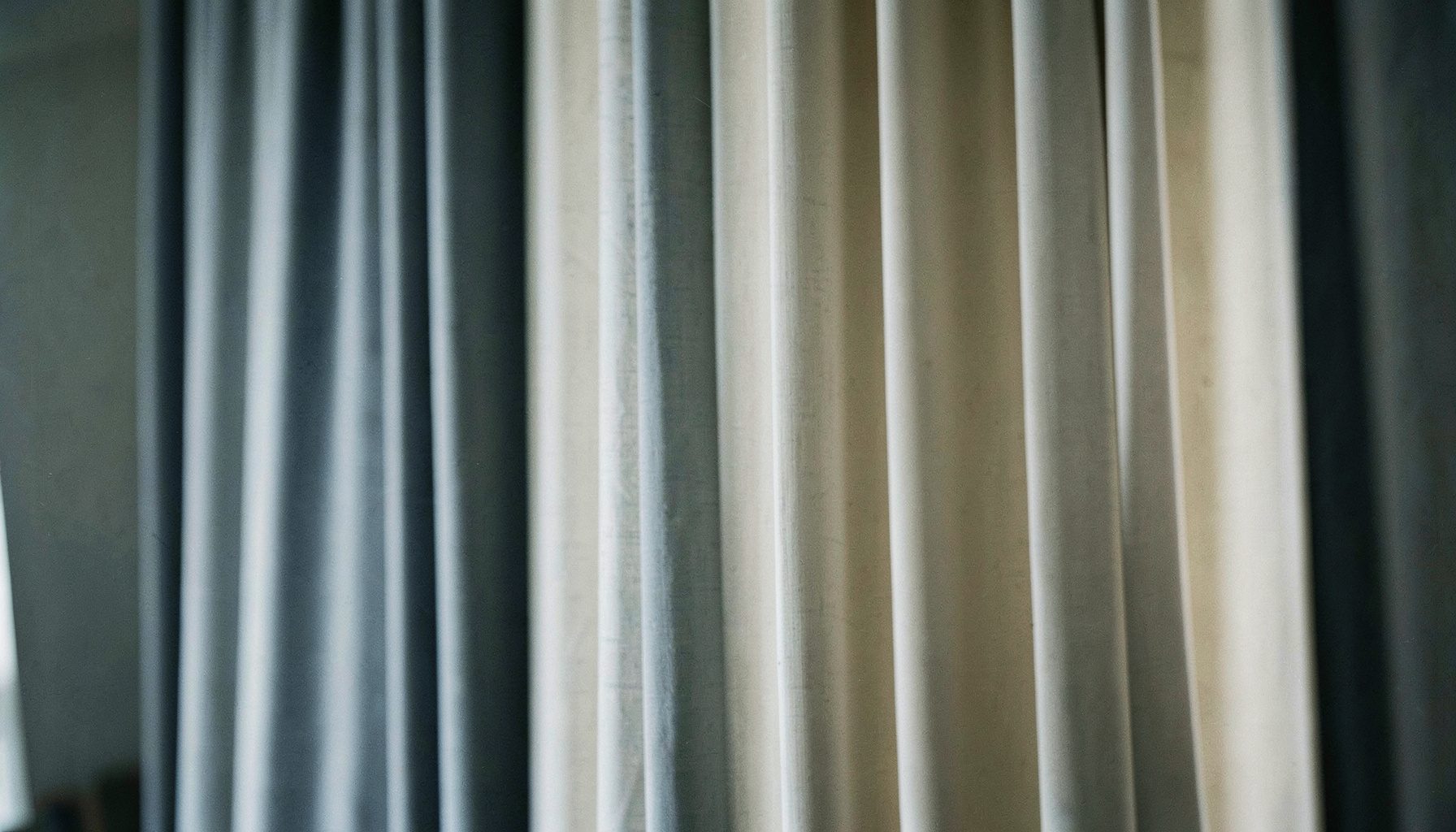
Choosing the Right Fabric for Custom Curtains
The right curtain fabric shapes far more than a room’s appearance. It affects privacy, daylight, temperature control, sound absorption, cleaning requirements, and how beautifully the finished drapery hangs. For Australian homes, fabric choice also needs to account for strong sunlight, seasonal heat, cool winters, and varied humidity from Brisbane to Perth.
A custom curtain gives you control over every detail, including fullness, lining, heading style, hem length, and fabric weight. This makes it easier to suit a breezy coastal living room, a formal Melbourne dining space, or a compact Sydney apartment where insulation and privacy matter.
When choosing the right fabric for your custom curtains, begin with the room’s practical demands. Then consider colour, texture, pattern scale, and how the material will work with your existing furniture and window furnishings.
Match The Fabric To The Room
Lightweight fabrics such as voile, sheer polyester, and cotton blends filter daylight while preserving an airy feel. They work well in living areas, studies, and layered window treatments where you want soft privacy without completely blocking the view. Sheers can be especially useful in sunny Queensland rooms, where harsh glare may be uncomfortable during the day.
Medium-weight cotton, linen blends, and polyester drapery fabrics offer a versatile balance of structure and softness. They suit bedrooms, dining rooms, and family spaces. Heavier materials, including velvet, chenille, and tightly woven upholstery-style fabrics, create a more substantial look and can help reduce draughts and outside noise.
Understand Light And Privacy Levels
Fabric alone does not always determine how dark or private a room will be. A decorative face fabric paired with thermal, privacy, or blackout lining can provide a tailored solution while preserving the colour and texture you want. This layered construction is useful for bedrooms, nurseries, media rooms, and west-facing windows.
Room-darkening and blackout curtains are often confused, although they perform differently; this guide explains the blackout curtain difference in practical terms. Blackout lining is a strong choice for shift workers, children’s rooms, and homes affected by early summer sun, while room-darkening options may suit spaces where a small amount of filtered light is welcome.
Choose Fibres For Australian Conditions
Linen has a naturally relaxed texture and excellent breathability, making it appealing for coastal and contemporary interiors. Pure linen can crease and may have a more informal appearance, while linen-polyester blends generally offer easier care and improved dimensional stability. Cotton provides a familiar, soft finish, though it may need lining to improve insulation and light control.
Polyester and performance blends are practical in high-use areas because they resist fading, hold their shape, and are often easier to maintain. In humid areas around Cairns or Brisbane, breathable fabrics and washable options can be valuable. In sunny Perth or Adelaide, a protective lining helps reduce ultraviolet exposure that can fade both curtains and nearby flooring.
Consider Weight, Drape, And Fullness
Fabric weight influences the way curtains fall from the rod. Light materials create a relaxed, floating effect, while heavier fabrics form deeper folds and a more formal silhouette. A fabric sample is worth ordering because the same colour can look quite different in natural daylight, artificial light, and against your wall paint.
Fullness also affects the final result. A generous gather gives sheers and lighter fabrics a rich appearance, whereas a very heavy material may look crowded if overfilled. Your chosen heading, such as pinch pleat, ripple fold, rod pocket, or grommet, should suit the fabric’s flexibility and the movement you want.
Balance Style With Maintenance
Before selecting a fabric, check its cleaning instructions and think about how the room is used. Kitchen curtains may need a more washable material, while formal lounge-room drapes can accommodate delicate textures that are professionally cleaned. Homes with pets or young children often benefit from durable, tightly woven fabrics in colours that disguise everyday marks.
Samples help you assess texture, opacity, pattern scale, and colour accuracy before ordering. Compare them with flooring, cabinetry, upholstery, and the direction of the window. A warm neutral can soften a minimalist interior, while a small-scale pattern adds interest without overwhelming a narrow room.
Custom draperies are most successful when fabric, lining, measurements, and installation are considered together. Factory Direct Drapes offers made-to-measure options, fabric samples, measuring guidance, and handmade American workmanship to help coordinate these details. Australian customers should also allow time for international delivery and check measurements carefully before placing an order.
Select a few fabric samples, compare them in your actual room throughout the day, and use the final choice to create curtains that feel comfortable, practical, and distinctly yours. Explore custom styles, linings, and decorative hardware from Factory Direct Drapes to begin planning your window treatment.