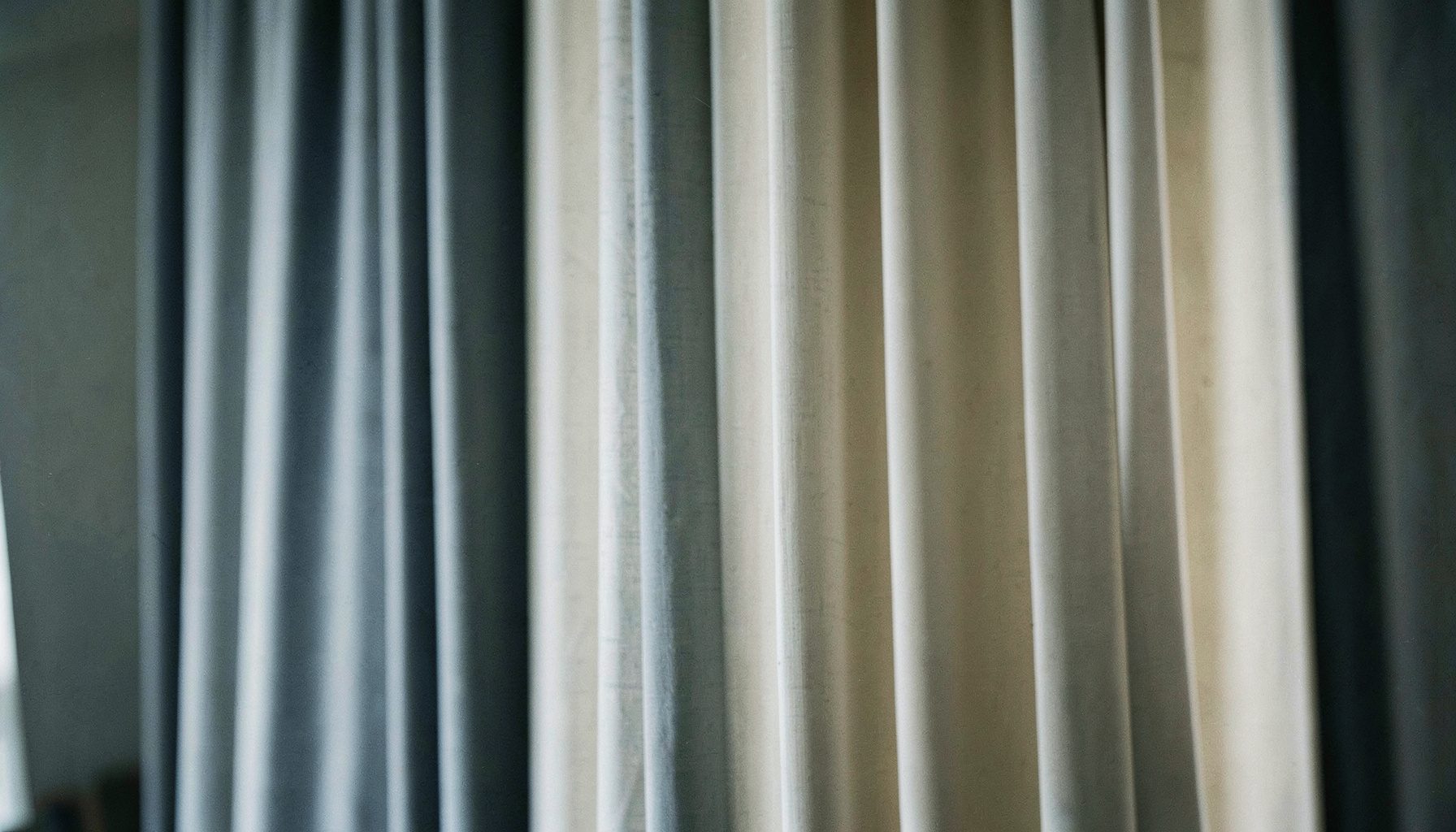
Blackout Curtains vs. Room Darkening: Choosing the Right Light Control
Choosing window coverings involves more than selecting a colour that suits your walls. The level of light control affects sleep, privacy, indoor temperature and the way a room feels throughout the day. For Australian homes, where bright summer sun can be intense, understanding the difference between blackout curtains and room-darkening curtains is especially useful.
Both options reduce incoming light, but they do so to different degrees. Fabric density, lining, curtain fit and gaps around the window all influence the final result, so the right choice depends on how the room is used and how much darkness you want.
What Room-Darkening Curtains Do
Room-darkening curtains are designed to substantially reduce daylight without creating a completely dark room. Their tightly woven fabric or special lining filters strong sunlight, softens glare and improves privacy while allowing a gentle amount of ambient light through.
This makes them a practical choice for living rooms, dining areas, home offices and bedrooms where total darkness is unnecessary. In a Sydney apartment or a Melbourne terrace, room-darkening panels can reduce harsh afternoon glare while preserving a relaxed daytime atmosphere.
How Blackout Curtains Work
Blackout curtains provide a much higher level of light blockage. They typically use a dense fabric, acrylic backing, foam coating or multiple layers to prevent sunlight and street lighting from passing through the panel. When properly fitted, they can make a bedroom, nursery or media room significantly darker.
The word “blackout” does not always mean that every trace of light disappears. Light may still enter through the sides, top or bottom of the window, particularly when the curtain is mounted inside the frame. For the strongest result, use generous overlapping panels, a wraparound rod or a track that extends beyond the window.
Comparing Light, Privacy and Comfort
The key difference between blackout and room-darkening curtains is the amount of light they block. Room-darkening fabric reduces brightness, while blackout fabric is intended to create a darker, more sleep-friendly environment. Blackout curtains are usually the better option for shift workers, children’s bedrooms and rooms with bright outdoor lighting.
Both styles can improve privacy, particularly after sunset when interior lights make windows more exposed. Thermal linings can also help moderate indoor temperatures. This matters during hot summers in Brisbane, Perth and Adelaide, where sun-facing glass can quickly increase heat inside a room.
Choosing Curtains for Different Rooms
Bedrooms benefit from blackout curtains when early sunrise, passing headlights or a nearby streetlamp affects sleep. They are also helpful for babies and young children who rest during daylight hours. In Australia, east-facing bedrooms can receive strong morning sun, so a blackout lining may be valuable even when the room feels comfortable at other times.
Room-darkening curtains are often sufficient for lounges, kitchens and studies. They reduce screen glare without making the space feel closed in. A lighter room-darkening fabric may suit a coastal home near Newcastle or the Gold Coast, while a heavier lined curtain can provide a more substantial appearance in a formal Melbourne or Canberra interior.
Fabric, Colour and Curtain Construction
Colour influences perceived brightness, but it does not determine performance by itself. A dark face fabric may still allow light through if it has a lightweight construction, while a pale curtain with a quality blackout lining can block a surprising amount of sunlight. Always check the lining and construction rather than relying on colour alone.
Custom sizing also makes a major difference. Curtains that reach from ceiling to floor and extend beyond the window reduce light leakage and can make the room appear taller. For carefully made custom drapery options, consider the fabric weight, lining type, heading style and fullness together rather than treating each detail separately.
Measuring and Installing for Better Results
Accurate measurements are essential for either style. Measure the window width, then allow additional coverage on both sides so the curtains can overlap the frame when closed. Measuring from the intended rod or track position to the floor helps prevent unwanted gaps beneath the panels.
Installation affects performance as much as the fabric. A rod mounted several centimetres above the window can limit light entering from the top, while a return rod or ceiling-mounted track can close side gaps. Renters in Australian cities may prefer tension solutions or removable hardware, while homeowners can choose tracks and rods designed specifically for full coverage.
Making the Right Selection
Choose blackout curtains when darkness, privacy and sleep quality are the priorities. Select room-darkening curtains when you want to soften sunlight and glare while retaining a brighter daytime feel. Insulated linings may be worthwhile in rooms exposed to severe heat, cold winter winds or large areas of glazing.
Before ordering, request fabric samples and view them in the actual room at different times of day. Check how the material looks against flooring and walls, and review the manufacturer’s measuring guidance. Factory Direct Drapes offers made-to-order curtains, fabric samples, installation resources and a lifetime workmanship warranty, helping Australian customers plan a tailored window treatment with greater confidence.
Bring your room together with curtains made to suit its light, privacy and insulation needs. Explore fabrics, linings and custom measurements through Factory Direct Drapes, then create a window treatment that performs beautifully in the Australian climate.