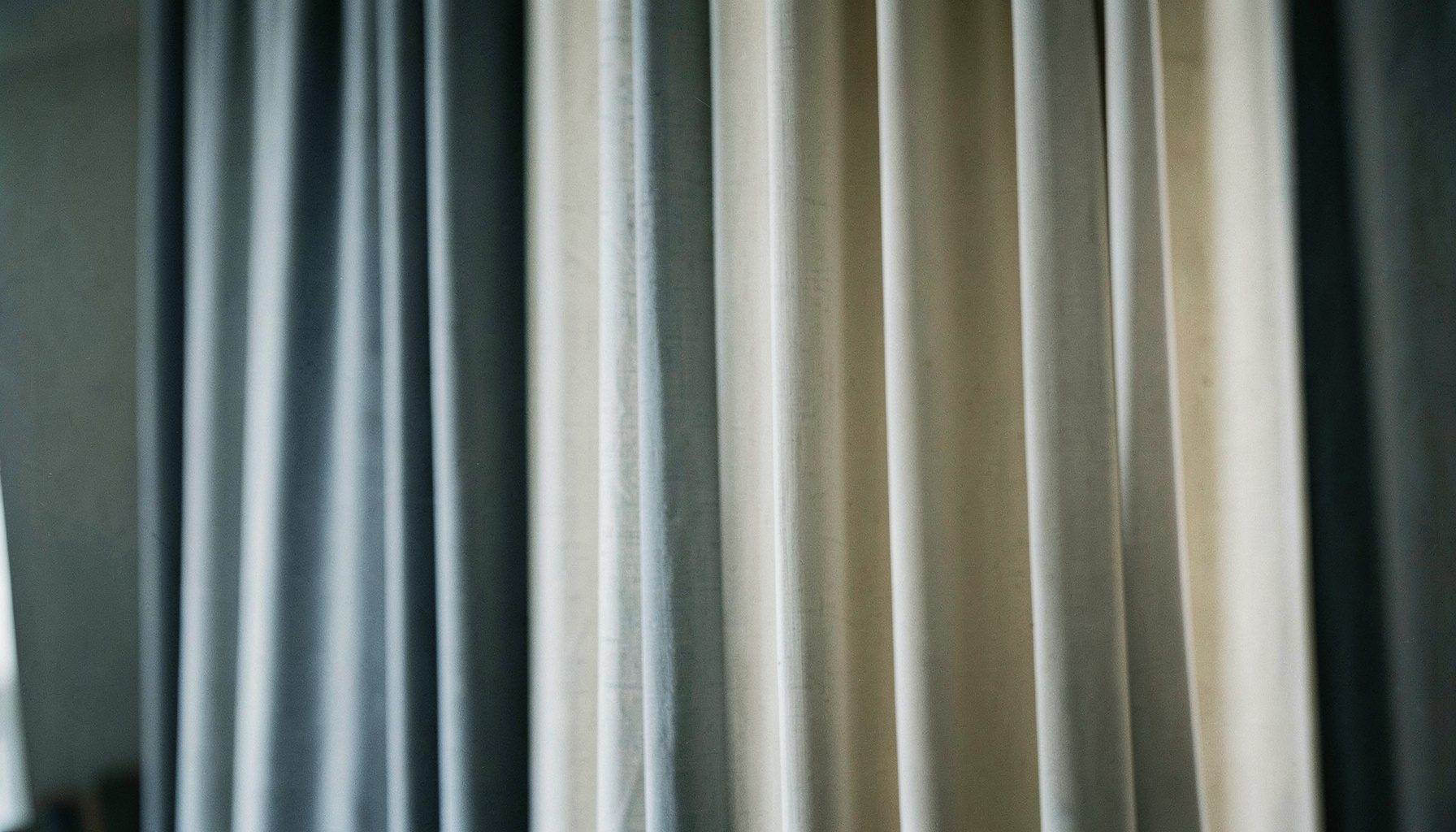
Best drapery styles for colonial and Victorian homes
Colonial and Victorian homes give curtains an architectural role. Tall sash windows, deep reveals, decorative cornices and strong symmetry call for treatments that frame the proportions rather than hide them. A full-length panel or shaped pelmet can make a modest ceiling feel higher while preserving the home’s historic character.
The strongest scheme balances period references with practical comfort. Curtains should filter harsh afternoon light, provide privacy after dark and work with the way the room is used. Swags, jabots, festoons and tiebacks suggest the past, but restrained scale and clean stitching will suit everyday Australian homes better than a theatrical replica.
Factory Direct Drapes offers made-to-measure curtains, fabric samples, decorative curtain rods and measuring guidance. Since period homes rarely have identical openings, the design should begin with the architecture, the room’s light and the desired level of formality. The aim is a coordinated feature, not a collection of period props.
Match the treatment to the architecture
Begin with the room’s strongest architectural lines. In a Georgian-style interior, simple pleated panels complement restrained symmetry and moulded ceilings. Victorian rooms can carry richer layers, shaped valances and decorative trims, provided their scale relates to the windows rather than overwhelming them.
Check practical details before choosing ornament. The curtain heading should clear ceiling roses and cornices, while the drop can finish just above a tiled floor to avoid collecting dust. Folds also add width, so a narrow sash window may suit a single tailored panel better than heavily gathered curtains.
Local conditions shape these choices. Sydney’s west-facing terrace rooms may need dense lining for strong afternoon sun, Melbourne’s cool winters reward insulating fabric, and Brisbane’s humidity calls for breathable textiles that dry readily. Many Australian homes are opened for cross-ventilation, so easy-care curtains and adjustable rods are more useful than a fixed, heavily layered arrangement.
Choose period-inspired profiles and details
A period look works best when one treatment sets the rhythm and the others act as restrained accents. Keep hardware colours consistent, repeat a detail across adjoining rooms, and allow the window’s architecture to remain visible.
Curtain profiles
Tailored floor-length panels create crisp vertical folds and suit tall sash windows. French or pinch pleats produce a neat heading with controlled fullness. Box pleats add architectural definition to formal drawing rooms. Furthermore, café-length panels work beneath low windows without losing their period character.
Decorative treatments
Swags and tails soften a bay window with a graceful layered silhouette. Jabots and festoons bring Victorian character to a formal reception room. Pelmets and valances conceal tracks or rods while emphasising ceiling height. Tiebacks define broad windows and allow flexible use of the room.
For a bay or corner window, repeat the same heading and fabric rather than mixing several elaborate styles. For a single sash, a slim rod with period finials usually looks cleaner than a wide, ornate track. Blackout lining can be added discreetly for bedrooms, while the visible face remains tailored and light.
Select fabrics for Australian conditions
Fabric should respond to orientation and use. Cotton and linen blends are versatile for everyday rooms, wool-rich cloth adds warmth in cooler houses, and velvet suits formal spaces where the pile will not be crushed. Sheer voile softens daylight without making a room feel enclosed.
Lining affects both appearance and performance. A light-coloured lining can reflect summer heat, while a full blackout layer improves sleep and privacy. In humid locations, washable natural blends and open weaves are practical; in west-facing rooms, dense curtains should be paired with a stable rod and appropriate fixing methods.
The same durability and safety questions arise in larger institutional settings. Factory Direct Drapes’ guide to school curtain durability is a useful reference when comparing washable fabrics, safety planning and the demands of busy classrooms.
Measure carefully and plan safe installation
Measure each opening in centimetres, including the window frame, desired drop and the space needed for folds. A rod wider than the frame can make a slim window appear larger, but excessive projection blocks useful daylight. Decide whether the fabric will meet the floor, stop just above it or sit at the sill before ordering.
Think about how the room functions throughout the day. Living-room curtains may need to open fully for television viewing and close for privacy, while bedroom panels need dependable darkness. In a high-ceiling room, a ceiling-mounted track can retain the appearance of the cornice; where a track is less practical, a slim decorative rod may be the neater choice.
Safe installation matters, particularly around children and heat sources. Keep loops and cords out of reach, and have motorised tracks checked against applicable Australian electrical safety requirements. If the room has a fireplace or wood heater, also check the appliance manufacturer’s clearances and fireplace safety guidance before placing bulky fabric beside the heat source. For an overseas purchase, check whether Australian consumer protections, including the Australian Consumer Law, apply before payment.
Turn measurements into a finished room
Begin with swatches rather than colour names alone. View linen, cotton and velvet in the room at different times of day, then compare them with the flooring, timberwork and metalwork. Factory Direct Drapes’ sample service, measuring resources and lifetime workmanship warranty help narrow the options without committing to a large order.
Check the room visually before fabrication. A virtual room designer can test scale and fabric combinations, while photographs and simple sketches help the maker understand folds, rod positions and unusual window shapes. In the Australian market, standard tracks and ready-made curtains are easy to compare, but made-to-order drapery is the stronger choice when historic proportions require exact drops and controlled fullness.
Order fabric samples from Factory Direct Drapes, confirm the measurements with their team, and build the scheme one opening at a time. Custom curtains, coordinated rods and expert guidance will create a tailored finish suited to Australian interiors while respecting the home’s historic proportions.