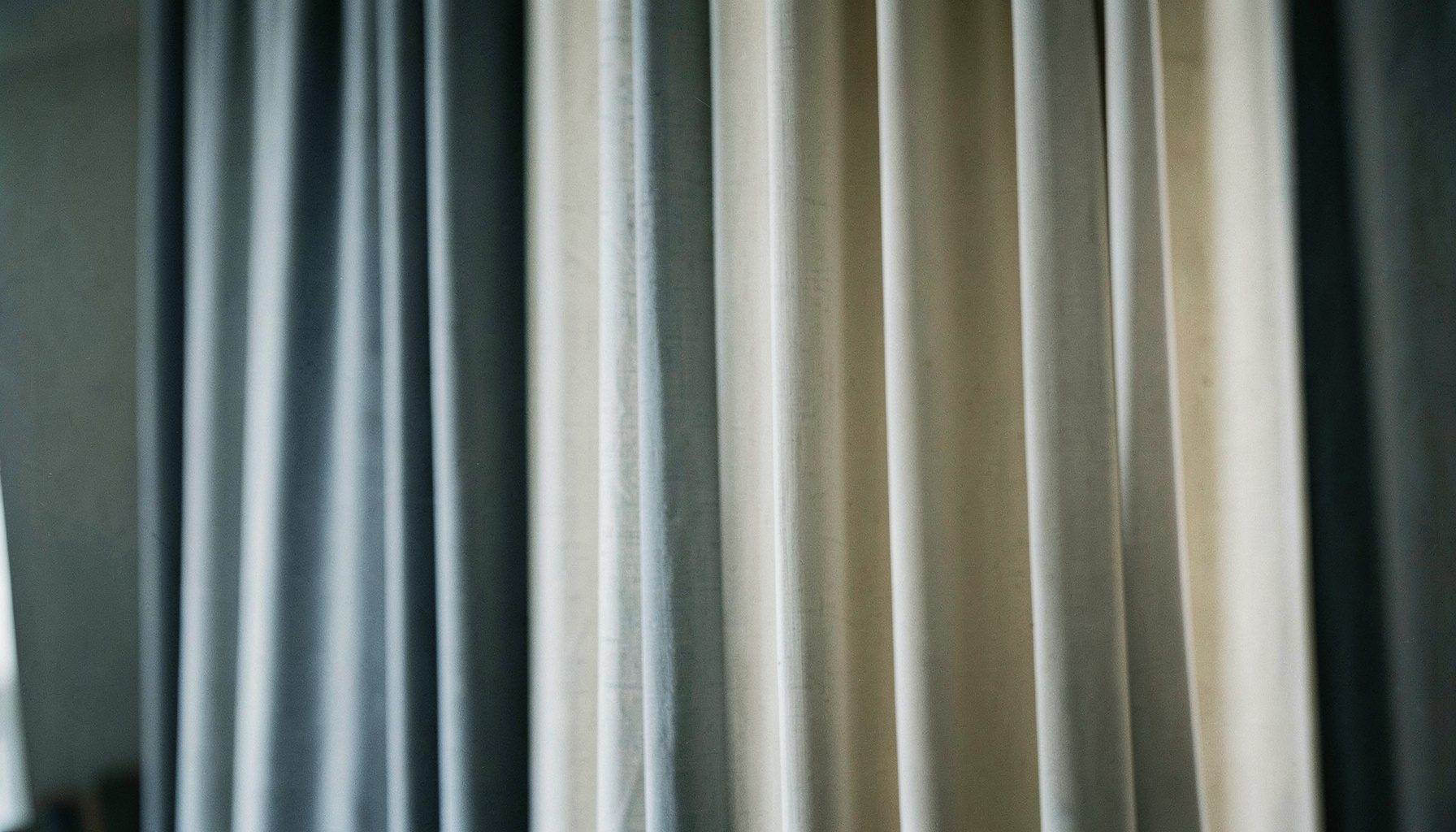
Practical drapery fabrics for homes with pets
The best drapery fabrics for homes with pets need to tolerate claws, fur, spills and repeated cleaning without looking tired after a week. The strongest choice is not always the softest or most luxurious: a tightly woven, stain-resistant fabric with a straightforward care label usually wins in a busy family room.
In Australia, that might mean performance polyester for a Brisbane playroom, an easy-clean cotton blend for a Sydney lounge, or a lined fabric that handles Melbourne’s changeable weather. Think in practical Aussie terms: arvo sun through the window, paw prints on the floor and a cat asleep on the sill.
Start with the room, not the swatch
Begin by mapping your pet’s routine to each room. A dog that crosses the lounge twice a day creates different demands from a cat that spends hours on a bedroom window. Mark doors, radiators, furniture and cleaning routes before choosing a fabric or curtain drop.
Ask for swatches and test them in the room’s light. A fabric that conceals pale fur can still show oily paw marks, so look for a finish that can be spot-cleaned and a colour that works with your existing floor and upholstery.
Performance fabrics for busy pet zones
Performance fabrics are the most practical all-rounder when pets are active. Solution-dyed polyester resists fading, handles frequent washing and is available in weaves designed to disguise hair. Polypropylene or olefin is another durable option, provided the supplier confirms its care and safety requirements.
Tightly woven cotton or cotton-poly canvas provides a more familiar texture, while linen blends suit lower-traffic rooms. Avoid delicate voile, loose weaves and untreated natural fibres where claws, muddy paws or frequent washing are likely.
Colours that disguise everyday fur
Colour affects how noticeable every stray hair becomes. White and very pale shades reveal dust, yellowing and paw prints, while near-black colours tend to show pale fur. Mid-tones such as taupe, olive, warm grey and muted blue usually make everyday shedding less obvious.
Pattern can help break up stray hairs and muddy paw prints. Subtle woven patterns work particularly well in open-plan living spaces. Low-pile textures are also easier to maintain than deep chenille or velvet, which can trap fur and develop noticeable bald patches.
Climate, blackout and insulation choices
Blackout curtains are especially useful for pets that sleep during daylight or become restless in a warm room. Check that both the face fabric and lining can be cleaned; a wipe-clean outer layer over a conventional lining is not necessarily machine-washable.
Insulated drapes make sense during a cold snap, while lightweight washable panels suit humid conditions. In Darwin, prioritise breathable, quick-cleaning fabrics, whereas a lined panel can provide welcome warmth in a Hobart lounge. Keep long hems clear of damp floors and water bowls.
Cordless hardware and safe operation
Fabric cannot prevent a determined cat from clawing a hem, so position panels away from scratching posts and climbing furniture. Keep loose cords, tassels and tiebacks beyond reach, and avoid placing delicate curtains where they can be mistaken for toys.
When cords are a concern, motorised curtain rods can create a cord-free appearance and convenient opening. The motor, switch and power lead still need secure mounting and concealment, particularly in a room where an energetic dog might investigate them.
Measuring windows around pets
Measure every opening in centimetres and record the finished curtain length rather than only the window dimensions. Account for stacking, heading hardware and the way sunlight falls across the glass. For a pet that uses a windowsill, leave enough clearance for the animal to sit comfortably without brushing the fabric.
Owners planning curtains around a built-in window seat can use bay window bench guidance to avoid panels that become a trip hazard or catch on the bench. A sensible hem also stops fabric from gathering paw dust where it touches the floor.
Cleaning, care and a pet-friendly finish
Vacuum curtains regularly with a soft upholstery attachment and use a lint roller for loose hair. Follow the care label for washing, and spot-test any cleaner in a concealed area. Blot spills promptly rather than scrubbing them, which can spread oils or distort tightly woven fibres.
Many Australian homes combine drapes with a windowsill jungle; the seed catalogue from Meyer Seed Co can help identify what has been planted. Check every species against a veterinary toxicity source before placing it within nibbling range, and keep loose leaves and soil away from curtain hems.
Start by requesting fabric samples and using Factory Direct Drapes’ measuring guidance, installation resources and virtual room designer to plan your custom dimensions. The curtains are handmade in America and sold directly, with a lifetime workmanship warranty. Before ordering from Australia, confirm current shipping times, freight costs and any duties for your state or territory, then select a washable fabric and pet-safe operating system that suit the room.