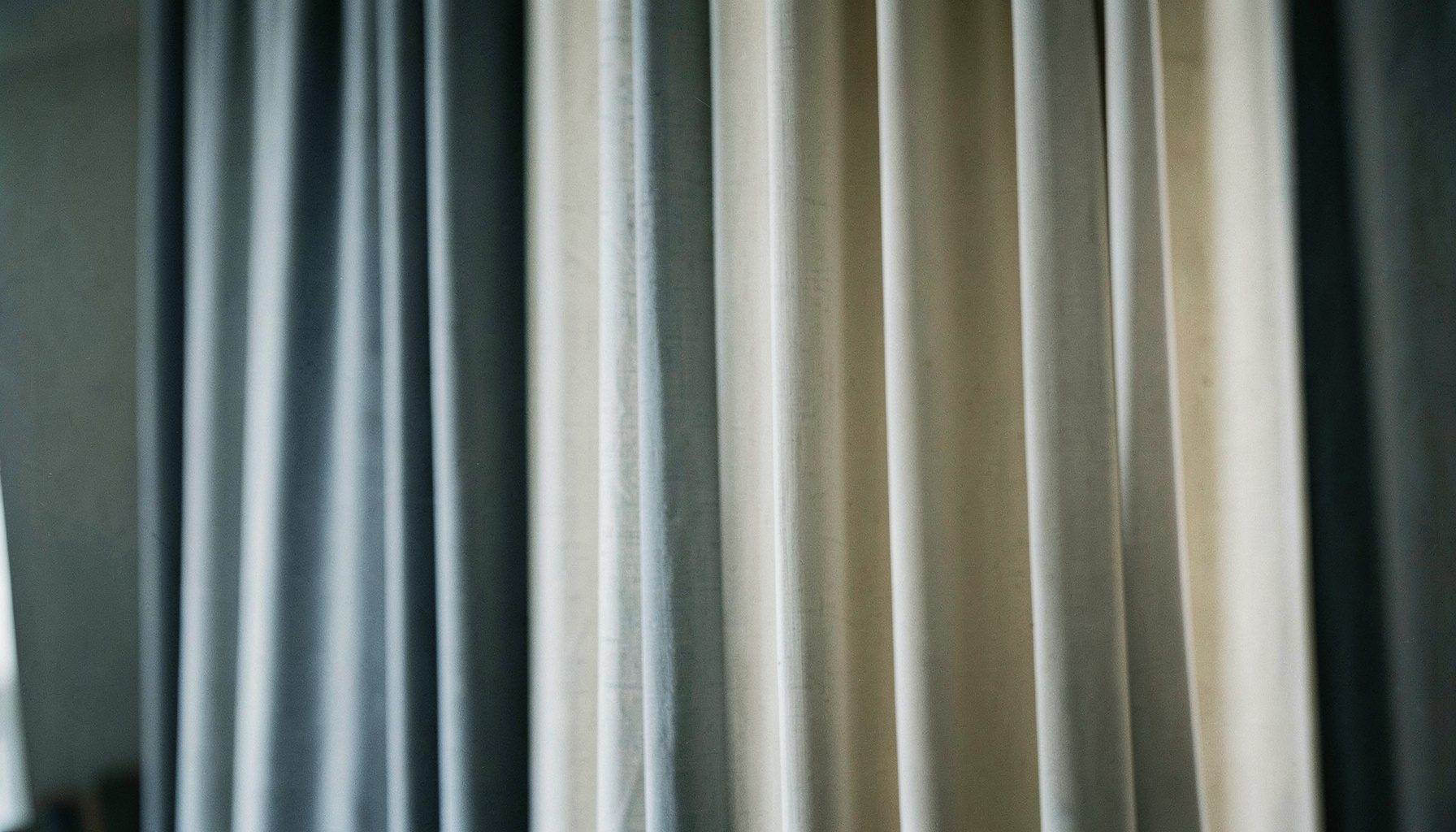
Blackout curtains for better sleep and energy savings
Blackout curtains do more than darken a bedroom. By limiting glare, street lighting and early morning sun, they create a steadier sleeping environment that can help people settle sooner and sleep through changes in light. This is especially useful in Australian homes, where summer sun rises early and some bedrooms face busy roads or neighbouring properties.
They can also reduce solar heat gain in summer and heat loss in winter, easing the workload on air-conditioning and heating. The result depends on fabric, lining and fit, but well-specified window coverings can improve comfort and support household energy efficiency. Darkness, insulation and neat installation together make blackout curtains a practical upgrade rather than merely a decorative choice.
A darker room supports deeper sleep
Light can influence the body’s sleep cycle, even when someone does not wake up completely. Blocking outside light helps create consistent conditions from bedtime through the night, which may be particularly valuable for light sleepers, shift workers, children and anyone whose bedroom faces an illuminated window.
The benefits also depend on good sleep habits. Regular sleeping hours, a comfortable temperature and a quiet bedroom still matter, but curtains can remove one common disruption. For Australians working rotating shifts or sleeping during daylight hours, effective blackout coverage can make daytime rest feel more predictable and restorative.
Blackout coverage without a heavy look
Modern blackout curtains can be as attractive as conventional drapery. A dark or light-coloured decorative fabric can sit across the front, with a blackout lining or separate roller blind providing the darkness. This layered approach allows homeowners to coordinate their curtains with existing furnishings without making the room feel closed in.
Factory Direct Drapes offers a broad custom curtain range, including blackout and insulated options, decorative rods and made-to-measure draperies. Australian homes often favour linen, cotton, oatmeal, charcoal and neutral tones, while brighter prints can add personality to coastal, modern or traditional interiors.
Lower heating and cooling demands
A properly fitted curtain acts as an additional barrier between the glass and the room. During hot weather, it can reduce the amount of direct sunlight warming the window area, helping an air conditioner maintain its set temperature with less effort. This can be useful in west-facing rooms in Sydney and other areas where intense afternoon sun makes living spaces uncomfortable.
During winter, lined curtains can reduce heat loss through cold windows, which may lower heating demand in Melbourne or Canberra. Actual savings depend on glazing, building insulation, curtain material and how often the room is used, so curtains should complement energy-efficient windows and appliances rather than replace them.
Matching fabric to Australian windows
The window’s direction should guide fabric and lining choices. North-facing rooms in Australia receive strong winter sun, while west-facing windows can attract severe afternoon heat. East-facing bedrooms may need effective coverage against early summer sunlight. Blackout curtains with a light-coloured outer fabric can reflect more solar radiation than very dark surfaces in some conditions.
Local climate also matters. Brisbane’s humid summers call for breathable fabrics and good ventilation, while Sydney homes may benefit from UV-resistant lining that helps protect furnishings from fading. In cooler regions, an insulated or layered option may provide greater year-round comfort. Samples are useful because colour, weight and light transmission can look quite different under direct sunlight.
Getting the fit right
Measure each opening in millimetres before ordering, including both the width and the desired drop. Full-stack curtains overlap slightly when closed, while extending beyond the window frame helps prevent light leaking around the edges. A rod or track positioned outside the recess often creates a cleaner seal and can make the ceiling appear higher.
Correct hardware also affects performance. Check that brackets, runners and tension mechanisms are secure before hanging a finished curtain, and follow the supplied installation instructions. The same safety-first rule applies to tensioned hardware elsewhere around the home: diagnose a fault before replacing a component. This guide to garage door spring testing illustrates why proper inspection should come before adjustment.
Using curtains to support a steady routine
Blackout curtains work best when used consistently. Closing them before the intended bedtime signals that the room is ready for rest, while keeping them closed throughout the night prevents streetlights and sunrise from interrupting sleep. Households with children, early school starts or irregular rosters can also use the same routine to make bedrooms more predictable.
Comfortable bedding, controlled room temperature and reduced noise complete the sleep environment. Curtains should not be expected to eliminate every sleep problem, but they can remove unwanted light with little effort. Their energy performance can also be assessed over time by comparing comfort during hot afternoons, cold nights and household electricity usage.
Ready to create a darker, more energy-efficient bedroom? Explore made-to-measure blackout curtains at Factory Direct Drapes, order fabric samples and use the available measuring guidance, virtual room designer and installation resources. Choose a lining suited to your window and climate, measure carefully and enjoy a calmer sleeping space every night.