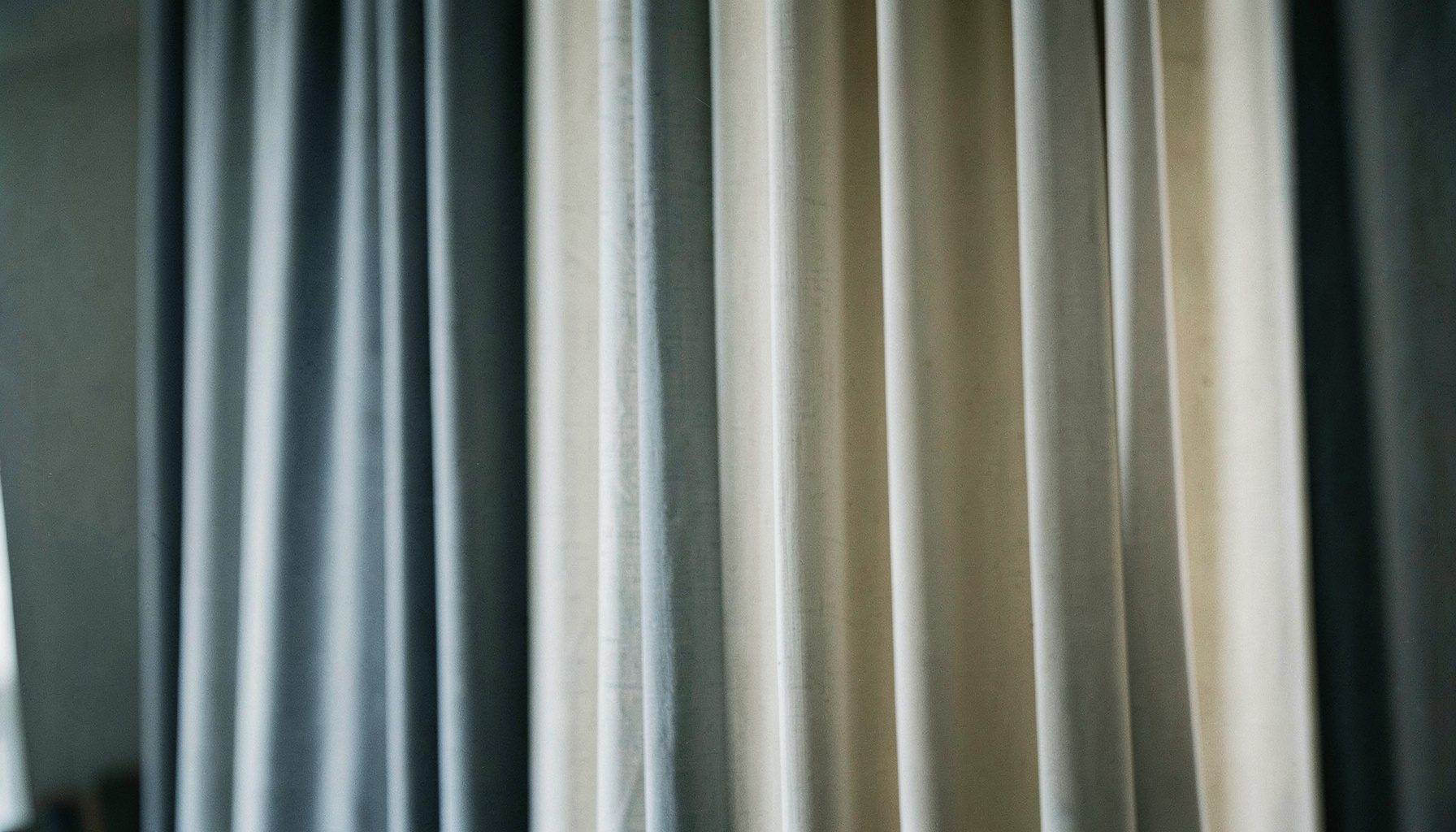
How to use drapes to frame a beautiful view
A window can already be the best feature in a room, but the right curtains can make its outlook feel larger, brighter and more intentional. Well-positioned drapes soften harsh daylight, add height and create a comfortable transition between the landscape outside and the interior.
The goal is not to conceal the view. It is to direct attention towards it. Panels, sheer curtains, valances and decorative rods should complement the window’s shape while working with the room’s colour palette, furniture and architecture.
Start with the outlook
Australian homes often open onto harbour views, bushland, gardens or a veranda, and Australians commonly call that feature “the outlook”. Before choosing fabric, consider whether the view is a distant landscape, a neighbouring tree or a neighbouring tree. A bold pattern might compete with a detailed scene, while a calm solid colour can make the eye travel beyond the glass.
Decide which part of the window deserves emphasis. Full-length drapes make a small opening look generous, whereas café curtains can highlight a wide sill or a particularly attractive garden aspect. This is also where the room’s ceiling height matters: hanging the rod higher creates more space above the window and makes the entire composition feel taller.
Match the panels to the window
Measure the opening in centimetres, including the width of the rod and the finished drop of each panel. For a standard single window, two panels can look balanced, but one broad panel may suit a narrow opening or a vertical window better. Large sliding doors usually need generous fabric coverage so they do not read as a flat glass wall.
The rod should extend beyond the frame on both sides, allowing the panels to open without covering the view. Decorative finials and brackets can add character, provided their scale matches the window rather than overwhelming it. That same principle applies when drapes sit beside a solid-oak bed frame: solid oak construction is a useful reminder that strong joinery, secure fittings and clear warranty terms matter in pieces intended to last.
Design for Australian light
Australian summers can bring intense sunlight, particularly through north-facing windows, while west-facing rooms may retain heat well into the evening. A sheer curtain can diffuse glare during the day and preserve the view, with a lined blackout drape ready to close when privacy or cooler temperatures are needed.
Coastal areas add another consideration. Salt-laden breezes can catch loose fabric, and humid conditions may affect delicate materials. Medium-weight cotton, lined polyester and sturdy curtain rods are practical choices for homes near the coast, around Sydney or on Queensland verandas. Test lighter fabrics carefully before hanging them beside an open door.
Build depth with layers
Layering gives a window depth without making it look crowded. Place a sheer panel nearest the glass to soften the outlook, then hang a heavier drape on a separate track or rod. During the day, draw back the outer layer and leave the sheer open; at night, close both for insulation and privacy.
A slim valance or pelmet can finish the arrangement while concealing the rod and fixings, but it should follow the window’s proportions rather than become a separate feature. Fabric samples viewed at different times can reveal how a colour changes against the sky, nearby brickwork or garden foliage.
A virtual room designer can also help compare curtain scale, rod placement and colour combinations before a custom order. It is particularly useful for checking whether a patterned fabric will dominate the room or sit comfortably within it.
Make practical choices before ordering
Check the finished dimensions, curtain heading and hanging method before ordering. Measure the existing pole or rod, and note any obstacles such as blinds, ventilation grilles or handles. For a made-to-measure installation, take several photographs from different angles so the maker can understand the window and room accurately.
A straightforward layout works well when:
- Extending the rod 20–30 centimetres beyond the frame on each side.
- Letting the panels fall close to the floor for a clean, elongated profile.
- Choosing a pale, matte fabric that softens the outlook without hiding it.
- Keeping the pattern directional so it does not appear awkwardly when drawn back.
A layered layout suits when:
- Hanging a sheer curtain closest to the glass and a blackout drape farther forward.
- Using a narrow valance to disguise fixings while preserving the window’s height.
- Coordinating the rod finish with lamps, handles and other metal details.
- Repeating one fabric colour elsewhere in the room for visual cohesion.
Whichever layout you choose, check care requirements and hardware durability before finalising. Curtains near sliding doors need enough clearance to move freely, and coastal homes should select finishes that can tolerate frequent use.
Bring the whole room together
Once the window’s proportions, light conditions and fabric have been considered, the remaining decisions become simpler. Factory Direct Drapes offers custom drapes, valances and decorative rods in a range of styles, fabrics and blackout options, with measuring guidance, installation resources and a lifetime workmanship warranty.
Measure the main window, compare daylight and evening samples, then choose the curtain heading, rod and fabric combination that suits your space. Select your custom drapes with the outlook in mind, and the room will feel more open, polished and connected to the landscape beyond.