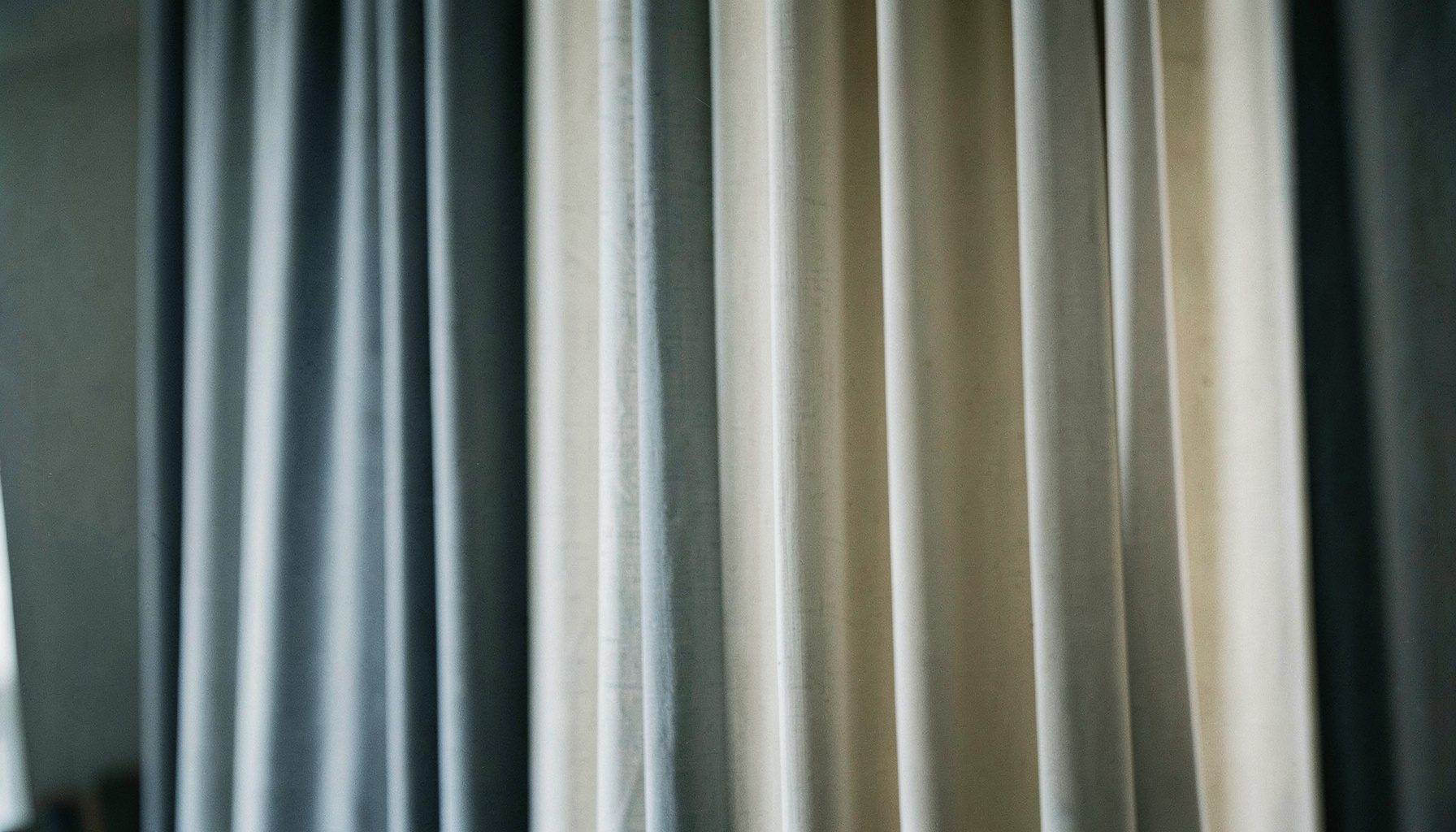
How to use curtains to create visual height in a room
Visual height in a room often comes from the way window dressing directs the eye. Long vertical lines, uninterrupted colour and a hanging point near the ceiling can make a standard window appear taller, even when the ceiling itself is unchanged. The aim is proportion, not concealment.
Curtains, drapes and valances should therefore be considered part of the room’s architecture. A narrow rod can make a generous opening look cramped, while a wide drop can give a modest ceiling a welcome lift. Planning the track, heading and finished floor length before ordering prevents costly visual errors.
Australian homes make this especially practical because they range from compact city apartments to terraces and Queenslanders with generous proportions. Sydney and Melbourne buyers often compare custom-made window treatments with ready-made options from chains such as Bunnings or IKEA, while hot-climate homes need fabrics that manage glare, heat and privacy.
Start above the window
The top of the curtain should sit as close to the ceiling as practical, creating a taller uninterrupted surface between the window and ceiling line. Positioning the track within 5–10 centimetres of the ceiling often produces a stronger effect than fixing it directly above the window frame.
If walls, cornices or unusual window shapes limit the available height, a shallow valance can bridge the gap. Keep its depth modest and coordinate it with the curtains so it reads as one continuous feature rather than a separate horizontal band.
Extend beyond the frame
Curtains should project beyond the sides of the window to make the opening appear wider. This extra width also allows the panels to stack neatly when open, exposing the glass without leaving them compressed in the centre.
Floor-length drops create the strongest vertical effect, especially when the fabric rests just above or lightly brushes the floor. For sliding doors in Australian apartments, ceiling-mounted tracks can follow the opening and conceal the hardware while keeping the fabric aligned with the room’s vertical lines.
Build height with vertical folds
Pleats, pinches and other upright folds catch light and create a strong sense of upward movement. Keep the folds narrow and consistent, and avoid headings with broad borders that visually break the drop.
For tailored pleats and made-to-measure lengths, compare the sizing guidance and fabric sample service from Factory Direct Drapes before making a final selection. Seeing the actual fabric in the room’s daylight can also reveal how its texture affects the apparent height.
Choose a high hanging point
A ceiling-mounted track usually creates more height than a curtain pole fixed near the top of the window. It removes the visual weight of a large finial and allows the fabric to begin higher, giving the window a more generous proportion.
Where the ceiling cannot be used, select a slim rod in a light colour and mount it as high as possible. Avoid oversized decorative ends, which can interrupt the vertical line. If installation is complicated around Australian rental properties or heritage features, obtain advice before drilling into walls or architraves.
Keep colour and pattern vertical
A single curtain colour extending from near the ceiling to the floor generally makes the window look larger than a treatment divided into contrasting horizontal sections. Pale, even tones can reflect light into the room, while deeper colours create a strong framed effect.
Patterned fabric can still work when its motif leads the eye vertically. For coordinated furnishing references, explore the Cotswold fabric collection and look for subtle texture, restrained stripes or small-scale designs that remain attractive across a full-length drop.
Plan for Australian rooms
Sydney terraces often have tall sash windows, decorative cornices and narrow rooms, so curtains placed high and wide can preserve the original proportions. Melbourne apartments may have lower ceilings or limited wall space, making a ceiling track and carefully chosen drop length more reliable than a wide decorative pole.
Brisbane’s Queenslander homes frequently contain broad openings and shaded verandas, while intense western sun can make glazing and fading important considerations. Lined curtains, blackout options and UV-conscious fabrics provide greater control. Measure in metres, record both the track and finished drop, and check how local summer daylight changes the room throughout the day.
View the treatment as a whole
Furniture, lamps and artwork should support the upward direction created by the curtains. Keep bulky pieces low beside the window, and avoid placing tall storage cabinets immediately beside the treatment, where they could interrupt the vertical lines.
Stand back from several points in the room and check the window from both daylight and artificial light. The rod should look high, the panels should appear full, and the bottom edge should align cleanly with the floor. A virtual room designer or a full-height photograph can help identify proportion problems before installation.
Measure the track, window opening and desired finished drop before ordering, then request fabric samples and installation guidance. A carefully planned curtain treatment can make the room feel taller, brighter and more cohesive without changing its structure.