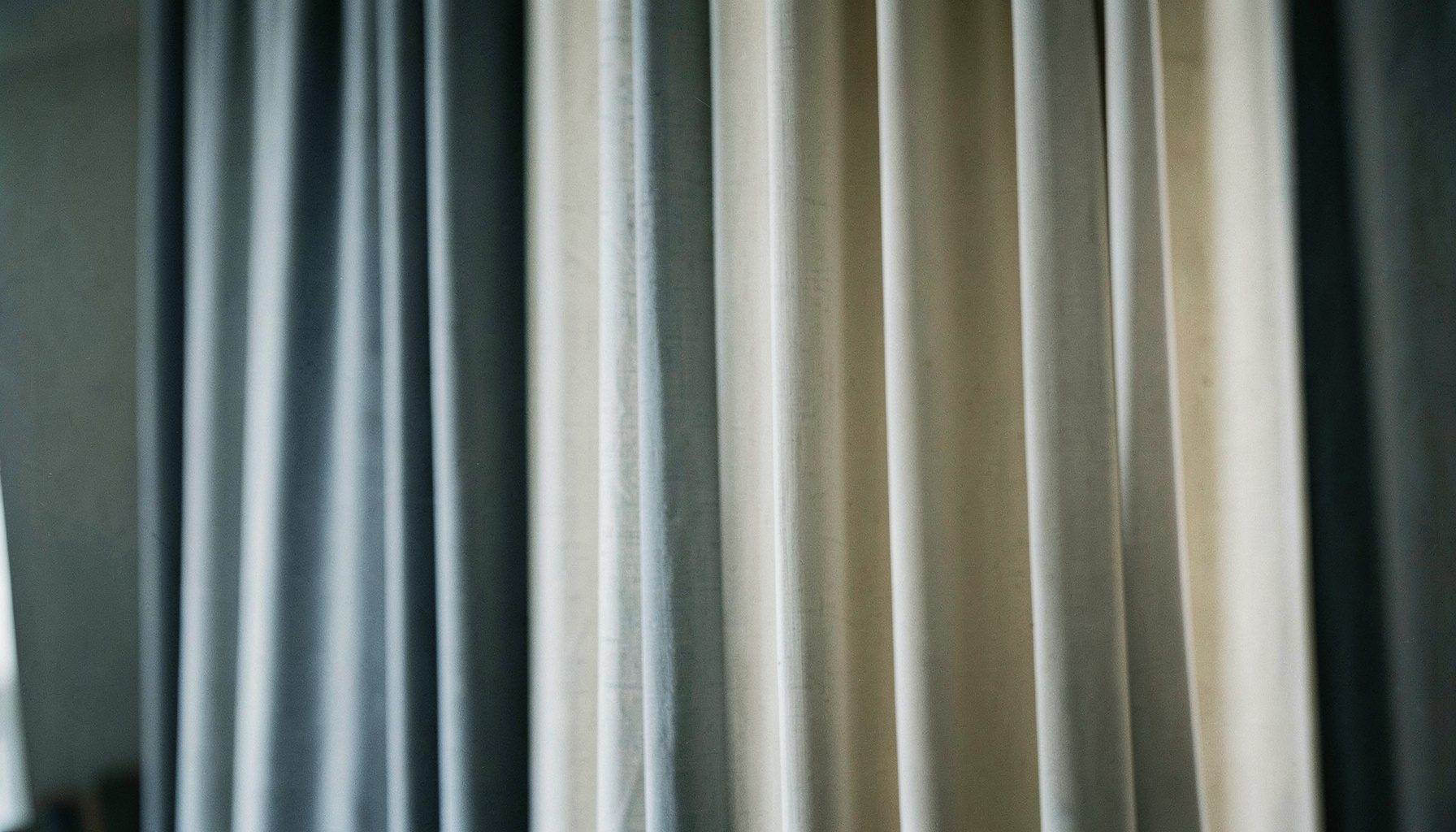
How to Use Colour Psychology in Custom Curtain Selection
Colour influences how a room feels before its furniture, lighting, or accessories have had time to make an impression. In custom curtain selection, the right shade can soften a bright living room, create calm in a bedroom, or add energy to a compact home office. Fabric weight, lining, pattern, and the amount of glass covered all affect the result, but colour provides the emotional foundation.
Australian homes often receive strong, directional sunlight, from Sydney’s eastern brightness to the warmer glare common in Brisbane and Perth. A curtain colour that feels gentle in a showroom may look much more intense beside a north-facing window. Ordering samples, viewing them at different times, and considering the room’s existing finishes will create a more reliable result.
Start With The Room’s Emotional Purpose
Blue, green, and muted grey are commonly associated with calm, making them suitable for bedrooms, reading corners, and quiet workspaces. Soft sage can bring an organic quality to a contemporary interior, while dusty blue works well with white walls and pale timber. In a Melbourne home where overcast winter light is frequent, warmer blue-green tones can prevent the room from feeling cold.
Warm shades create a more sociable atmosphere. Terracotta, ochre, cinnamon, and muted red can make dining areas and living rooms feel welcoming, particularly when paired with natural flooring or tan upholstery. Use intense colours selectively if the room is small, as large expanses of saturated fabric can dominate the visual balance.
Match Colour To Natural Light
Light changes colour throughout the day, so a curtain decision should account for morning sun, afternoon glare, and evening artificial lighting. Cool colours may look crisp in direct sunlight but somewhat flat under cool LED bulbs. Cream, sand, mushroom, and warm taupe tend to offer flexibility across changing conditions.
Rooms exposed to harsh sun may benefit from lined, insulated, or blackout curtains in a considered colour. A pale lining can reflect some heat while preserving a lighter appearance from inside, while darker face fabrics can provide depth without requiring dark walls. In coastal Queensland, airy whites and sea-glass tones can support the relaxed local style, though a quality lining helps control heat and glare.
Use Contrast With Intention
Curtains do not need to match the wall exactly. A slightly deeper version of the wall colour creates a layered, elegant look, while a contrasting shade makes the windows a stronger architectural feature. For example, charcoal drapes can anchor a room with pale walls and black hardware, whereas flax or oatmeal curtains can soften a space filled with sharp white surfaces.
Consider the visual weight of the whole room. Strong contrast suits interiors with confident furniture and artwork, but subtle contrast is often better for minimalist apartments. Custom custom draperies allow the length, fullness, heading style, and lining to work alongside the chosen colour, rather than forcing a standard size to determine the design.
Consider Fabric, Pattern, And Texture
Colour psychology is affected by texture. Velvet absorbs and deepens colour, linen blends create a relaxed, tactile finish, and smooth fabrics reflect light more evenly. A warm beige in heavy fabric may feel refined and cocooning, while the same shade in a sheer fabric can appear light and casual.
Patterns also influence the emotional tone. Botanical prints can reinforce a sense of rest and connection to nature, stripes can make windows appear taller, and geometric designs may give a room more energy. In Australian interiors, subtle checks, palms, grasses, and abstract coastal patterns can complement local materials without making the room feel themed.
Choose Shades For Different Household Spaces
Bedrooms generally benefit from restful colours and practical light control. Deep navy, olive, soft clay, and smoky lavender can create a settled atmosphere when paired with blackout lining. For children’s rooms or nurseries, gentle colour blocks are often more adaptable than highly themed prints, allowing the room to evolve as the child grows. Coordinating nursery textiles with the curtain palette can also create a cohesive family space without matching every item exactly.
Living rooms can handle greater personality because they are used for conversation, entertaining, and relaxation. A muted saffron or eucalyptus curtain may enliven a neutral sofa, while warm white panels can make a compact Sydney terrace feel more open. In rental properties, removable visual accents such as curtains provide colour without repainting or permanent changes.
Build A Practical Colour Plan
Before ordering, look at the room’s permanent elements: flooring, cabinetry, splashbacks, stone, upholstery, and metal finishes. A curtain colour that echoes one existing undertone will usually feel more deliberate than an isolated accent. Samples should be held vertically near the window and viewed against both daylight and evening lamps.
Use these quick checks when narrowing the palette:
- Identify whether the room is mainly warm, cool, or balanced
- View fabric samples beside flooring and upholstery
- Check the shade in direct sun and low evening light
- Decide whether the curtains should blend or create contrast
Practical performance should support the visual goal. Choose washable or durable fabrics for busy family areas, insulation for temperature control, and blackout lining where sleep or media viewing matters. For larger Australian properties, hospitality spaces, or commercial interiors, colour can also reinforce a calm brand identity across guest rooms, classrooms, clinics, or resort suites.
Keep the final selection focused with these useful pairings:
- Sage with light timber for a relaxed, natural room
- Navy with white and brass for tailored contrast
- Terracotta with cream for warmth and hospitality
- Soft grey with eucalyptus for understated balance
Order fabric samples, compare them in the actual room, and use professional measuring guidance before placing a custom order. Thoughtful colour selection, precise fit, and suitable lining can turn ordinary window coverings into a lasting part of the interior design.