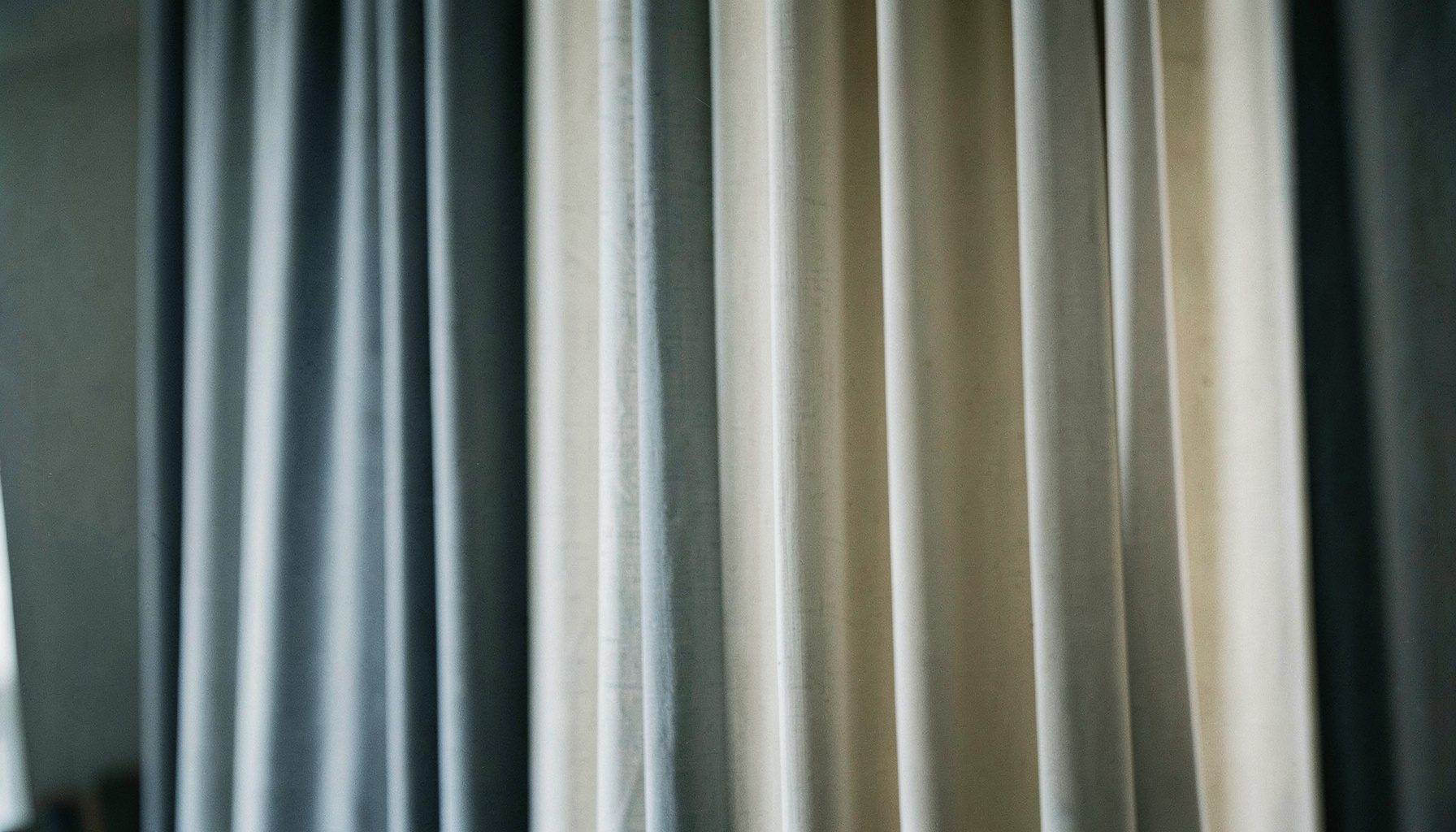
How to Store Seasonal Curtains Properly
Seasonal curtains can stay beautiful for years when they are cleaned, folded and packed with care. Whether you are changing heavy winter drapes for breezy summer sheers or storing festive window treatments, the right method helps prevent creases, fading, mould and fabric damage.
Australian homes often face strong sunlight, coastal moisture and sudden changes in temperature. Curtains stored in a damp Brisbane cupboard may develop mildew, while fabric left in a hot Perth garage can become brittle or discoloured. A little preparation before storage protects your investment.
The process is straightforward: identify each panel, clean it according to the care instructions, keep it away from moisture and pests, and choose a cool, dry storage area. These steps work for lined curtains, blackout panels, valances and delicate decorative fabrics.
Clean Curtains Before Packing
Dust and airborne residue can settle deep into curtain fibres. Vacuum both sides using a soft upholstery attachment, paying attention to hems, pleats, seams and curtain tape. Check the manufacturer’s instructions before washing, steaming or dry-cleaning. Some fabrics can be machine washed, while lined, embellished or structured treatments may need professional care.
Never store curtains while they are damp or even slightly clammy. Allow freshly washed fabric to dry completely in a shaded, well-ventilated space. Direct Australian sun can fade colours quickly, particularly in rooms with north-facing windows in Sydney or Melbourne.
Inspect the fabric for marks, pet hair and insects before folding it away. Stains left untreated can become harder to remove over several months, and food or body oils may attract pests. If the curtains are valuable or made from silk, velvet or specialty material, follow the care label rather than relying on a general cleaning method.
Fold And Roll According To Fabric
Lightweight cotton, polyester and washable blends can usually be folded loosely along their existing seams. Avoid creating sharp, repeated folds in the same places, as this may leave permanent lines. Place acid-free tissue paper between layers if the fabric is delicate or prone to creasing.
Heavy drapes are often best rolled around a clean, wide tube, especially when they have interlining, thermal backing or blackout coating. Rolling reduces pressure on pleats and helps prevent deep horizontal marks. Keep the roll supported from end to end so it does not sag during storage.
Remove curtain hooks, rings and clips where possible, then store the hardware in a labelled pouch. Metal pieces can snag fabric or leave rust marks if moisture gets into the container. Keep each window set together and label it with the room, panel position and hardware details.
Choose A Dry, Stable Storage Place
A linen cupboard inside the home is usually safer than a shed, attic or garage. Garages across Australia can become extremely hot, and outdoor storage areas may experience condensation, dust and insect activity. Choose a spot away from plumbing, exterior walls with damp patches and direct sunlight.
Use breathable cotton sheets, fabric storage bags or acid-free archival boxes. Avoid sealed plastic bags unless the curtains are completely dry and the storage environment is reliably cool, because trapped humidity can encourage mould. Do not compress the fabric under heavy blankets, luggage or storage tubs.
For homes near the coast, including those around Gold Coast, Newcastle or Fremantle, salt-laden air can affect metal components and some textiles. Add a moisture absorber nearby, but do not allow crystals or liquid from the product to touch the curtains. Check the storage area every few months, particularly during humid weather.
Protect Blackout And Lined Curtains
Blackout curtains require extra attention because their coated backing can crack, stick or peel when tightly folded. Keep them loosely rolled with the backing facing inward only if the care instructions allow it. Otherwise, fold them along broad, natural lines and avoid placing heavy items on top.
Thermal curtains and insulated drapes should be stored away from heaters, fireplaces and hot water systems. If you are redesigning a room around a heat source, browsing decorative fireplace ideas can help you plan safe clearances and keep window treatments at a sensible distance from warmth.
Valances and shaped pelmets should retain their structure during storage. Place them flat in a large box with tissue or clean fabric around them, rather than forcing them into a narrow container. Decorative rods should be wrapped separately to prevent scratches and pressure marks.
Refresh Curtains Before Rehanging
When the season changes, remove the stored curtains and let them air indoors for several hours. Check for odours, spots, insects and signs of moisture before hanging them. A gentle steam can relax minor wrinkles, but test an inconspicuous area first and keep steam away from coated blackout backing.
Review the labels and hardware while everything is accessible. Replacing worn hooks or repairing a loose hem before installation is easier than discovering the problem after the curtains are up. If you are changing the window treatment entirely, custom draperies can be ordered with fabric samples and made-to-measure options for Australian rooms.
Careful seasonal storage keeps window treatments ready for the next change in weather. Clean each piece, use breathable protection, avoid harsh conditions and give the fabric a quick inspection before rehanging. With these habits, your curtains can remain fresh, functional and attractive through Australia’s bright summers, humid spells and cooler winter months.