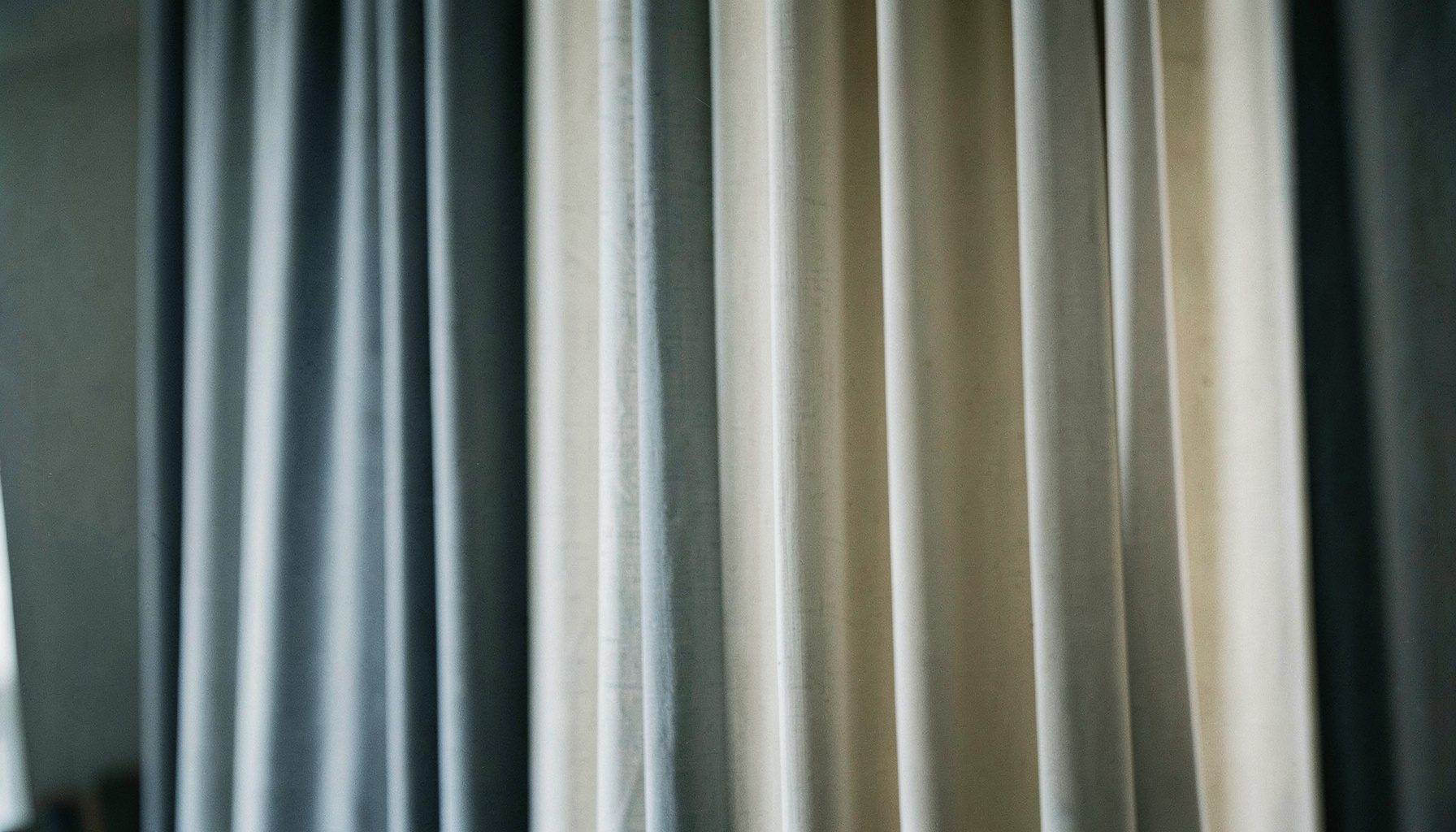
Drapes for a South-Facing Window in Australia
A south-facing window in Australia can be the brightest in the house during summer. As the sun crosses the southern sky, a lightweight treatment may fade, glare on screens and offer too little privacy.
Start with the room’s purpose, then match opacity, fabric and mounting method. The right drapes balance summer light, winter warmth and the proportions of Australian homes, from compact city apartments to Queenslander homes.
Read the light before choosing fabric
In Australia, direct southern sun is most likely from late spring through summer, while north-facing rooms are prized for winter sun. Exposure still varies with latitude, nearby buildings and orientation, so rooms in Melbourne, Hobart and Brisbane can behave differently.
Observe the window in the morning, at midday and in the late afternoon. Note where the light lands and whether your priority is glare control, privacy or a clear daytime view.
Perth and Brisbane have strong UV, Sydney brings coastal brightness, and Melbourne’s variable summers can shift quickly from cool to glaring. UV-resistant fabric and colour stability are especially valuable.
Choose opacity for the room’s purpose
Blackout curtains suit bedrooms, media rooms and nurseries, especially where street-facing windows need privacy at night. They block useful daylight, so pair them with sheers if the room also needs daytime softness. An insulated lining can reduce heat loss during cooler months.
Dim-out or lined drapes work well for living rooms and home offices. Sheers diffuse light without fully concealing the view, but ordinary sheer cloth offers limited protection from UV or heat.
For the strongest result, hang panels outside the window recess where possible. That creates a deeper air gap and reduces light leaking around the frame. Combine curtains with an external blind or awning when summer heat is severe.
Compare fabrics for Australian conditions
Polyester blends are durable, colourfast and easy to clean, making them practical for busy family homes. Choose a quality UV-rated weave rather than judging a fabric by thickness alone.
Linen and cotton blends can look refined and filter light beautifully, yet they may shrink, crease or fade faster. Check the care label, shrinkage allowance and lining before ordering.
Browsing custom drapery options at Factory Direct Drapes provides access to made-to-measure sizes, blackout and insulated options, fabric samples and decorative rods. Test each swatch in the actual room before choosing the colour or heading.
Get the proportions right
For generous coverage, the combined width of the panels should be about 1.5 to 2 times the window width. Extra width creates folds that soften glare and make a modest window feel larger.
A ceiling-mounted track can disguise the hardware and stop light appearing above the treatment. Hanging the panels beyond the recess also improves coverage.
Measure the intended finished length carefully. Floor-length drapes create a clean vertical line, while curtains stopping just above a tiled floor avoid collecting dust. Allow clearance for skirting boards, furniture and heaters.
Coordinate colour, pattern and hardware
Light and mid-tone colours generally reflect more incoming heat than dark shades and suit the relaxed neutrals common in Australian interiors. Deep colour can still work when balanced with a pale lining and layered sheer.
Use a bold pattern to frame an attractive garden view, or choose a quiet texture when the outlook is busy. Vertical stripes can make a low window appear taller, while wide checks add visual weight to a high ceiling.
Choose rods and finials that relate to the room rather than competing with it. Matte metal suits modern coastal rooms, while warm timber complements a period terrace. Confirm that the pole or track projects far enough beyond the frame to prevent panels striking the wall.
Run practical checks before ordering
Begin with a room-by-room checklist:
- Record the width and height in centimetres at the top, middle and bottom, as older Australian windows may not be square.
- Measure the recess, sill, trim, glazing, heater and furniture, including where the window swings.
- Decide whether panels should sit inside or outside the frame and how much daylight you want blocked.
- Choose the heading, finished drop and floor clearance before ordering hardware.
Then confirm the practical details:
- Compare fabric samples in daylight and evening light, and ask about dye-lot matching.
- Check care instructions, colourfastness, fire labels, lining options and the workmanship warranty.
- Compare the Australian-dollar total, including GST, delivery, tracking and any remote-area charges.
Before chasing a discount, read its eligibility, expiry and cancellation conditions; this bonus conditions explained resource shows why the small print can outweigh a headline offer.
Bring your plan to life
Use the measuring guidance and virtual room designer to test widths, drops and fabric combinations before placing an order. Customer support can help resolve tricky reveals, unusual tracks and custom sizing.
Request several fabric samples, compare them beside the window at different times, and then order with confidence. A lifetime workmanship warranty and clear care guidance can protect the result for years.