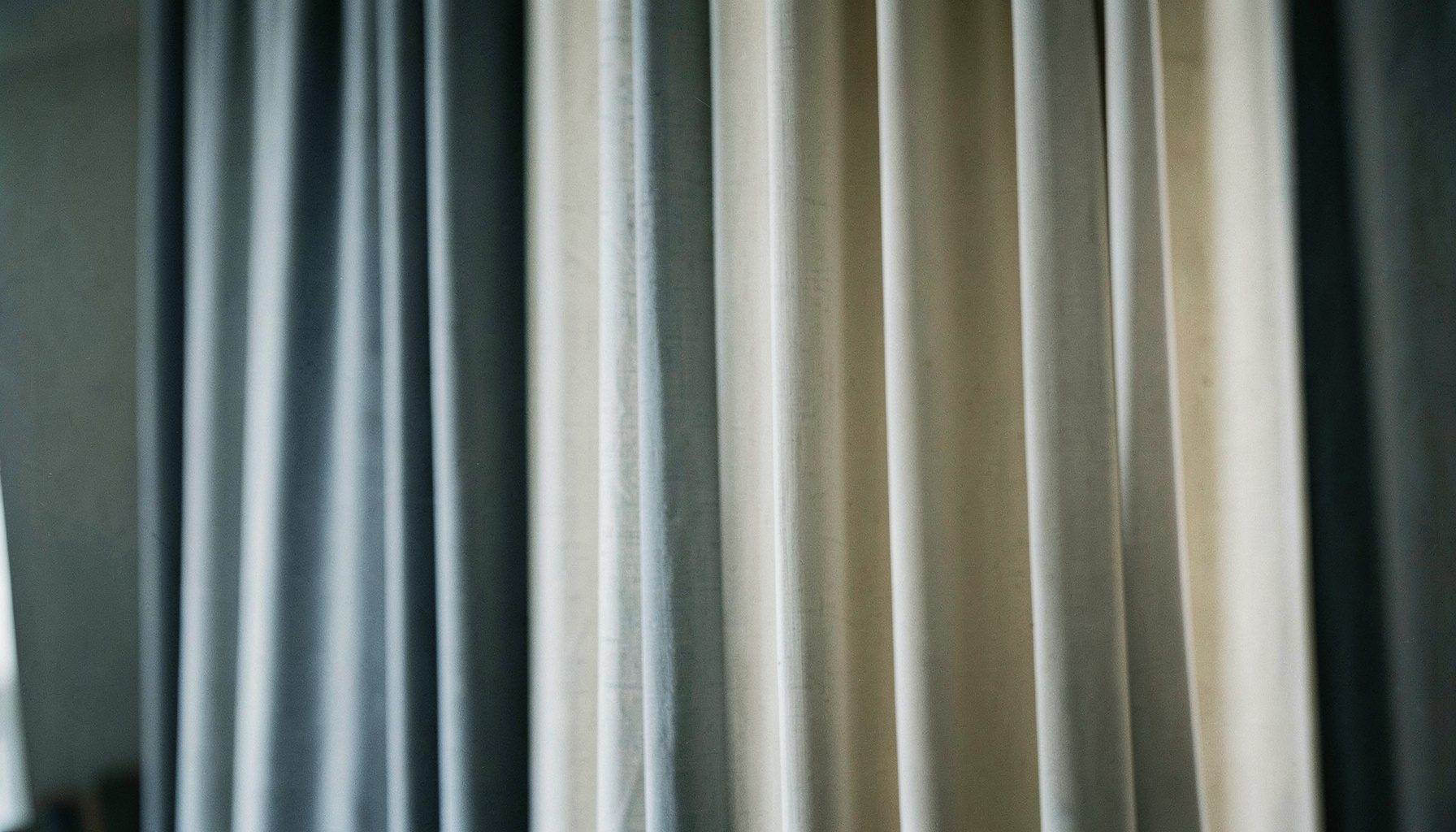
How to create a cozy reading nook with the right drapes
A window, a comfortable chair and the right window treatment can turn an unused corner into a cosy reading nook. Curtains soften the space, help control glare and make it feel calmer, while a proper reading lamp keeps the page bright after dark.
Australian homes often make this especially worthwhile. A north-facing room in Brisbane, a west-facing apartment in Melbourne or a compact terrace in Sydney may receive strong afternoon sun, and many people read indoors during humid evenings or on quiet weekend mornings.
Before buying fabric, decide where the nook will sit, how the chair will face the light and whether the drapes need to stay open all day. Measuring early will make it easier to choose a curtain rod, heading style, drop length and lining that work with the room.
Find a corner that makes reading inviting
Begin with a quiet corner that is close to a power outlet but away from the busiest part of the home. A chair with supportive arms, a small side table and enough floor space for a lamp make the setting functional rather than merely decorative.
The nook can also serve as a calm change of pace after work, provided the chair and lamp remain dedicated to reading. For adults over 18 who enjoy digital entertainment, this live casino Australia guide is one optional evening activity to keep separate from the nook’s quieter focus.
Control sunlight, heat and glare
Australian sunlight is intense, so treat the windows as the starting point. For a north-facing room in Brisbane or Adelaide, a good curtain lining can reduce daytime heat while preserving a soft, filtered glow. West-facing spaces may need heavier blackout curtains, especially when the sun stays on the reading chair.
Insulated and blackout options are useful for more than privacy. They can limit heat gain, reduce glare on a screen or page and make the corner usable through the Australian winter. If the nook shares a room with a home office, curtains that close neatly will also help separate work and leisure zones.
Choose a rod or ceiling track with enough projection to let the drapes stand away from the glass. This reduces the humid, still-air zone that can encourage mould, while stopping fabric from touching a radiator or heater. Decorative finials and rods can add character without competing with a simple reading chair.
Choose fabric and style for lasting comfort
Fabric should suit both the climate and the way you read. Linen-blend or cotton fabrics give a relaxed look and move well in a room with intermittent air movement, while a heavier textured material can feel more substantial and quieter.
Custom draperies are valuable when the window is unusual or the ceiling is high, as they can be made to the required width and drop instead of relying on standard panels. Factory Direct Drapes also offers valances and decorative curtain rods, allowing the heading, hardware and fabric to work as one design rather than as unrelated purchases.
Make the space work for Australian homes
The Australian decorating market offers a useful mix of ready-made curtains, fabric sold by the metre and made-to-measure drapery, so compare the total cost rather than choosing by headline price alone. Sample the fabric in different rooms and at different times of day; colour can look warmer in sunlight and cooler under LED lighting.
When planning an under-house room, guidance on under-house flooring choices can help you account for moisture, trim and a stable finished floor before curtains and furniture go in. A reading nook also needs a nearby outlet, a clear route from the rest of the home and enough space to open the panels fully.
Any structural conversion must still satisfy the National Construction Code and local council requirements, including ventilation, moisture control, head clearance and safe egress. Accessible blind and curtain cords should also be secured to prevent loops, particularly where children are present.
Bring the nook together
Before ordering, gather a few reliable measurements and decisions so the custom window treatment fits cleanly from the first day. Use this measuring checklist:
- Window width at the widest point, plus any recess or obstructions.
- Finished floor-to-heading or rod drop, allowing for skirting boards.
- The distance from the window wall and the width needed for curtains to stack.
Next, settle the visual and practical details:
- Fabric colour, weight and lining, viewed in the room’s daylight.
- Curtain heading and hardware finish, matched to the rod or track.
- Opening method, including tiebacks, folds or a valance if desired.
Visit Factory Direct Drapes to explore custom drapes, valances and curtain rods, request fabric samples and use the measuring guidance, virtual room designer and installation resources before ordering. The products are handmade in America and backed by a lifetime workmanship warranty, giving you a considered place to begin.