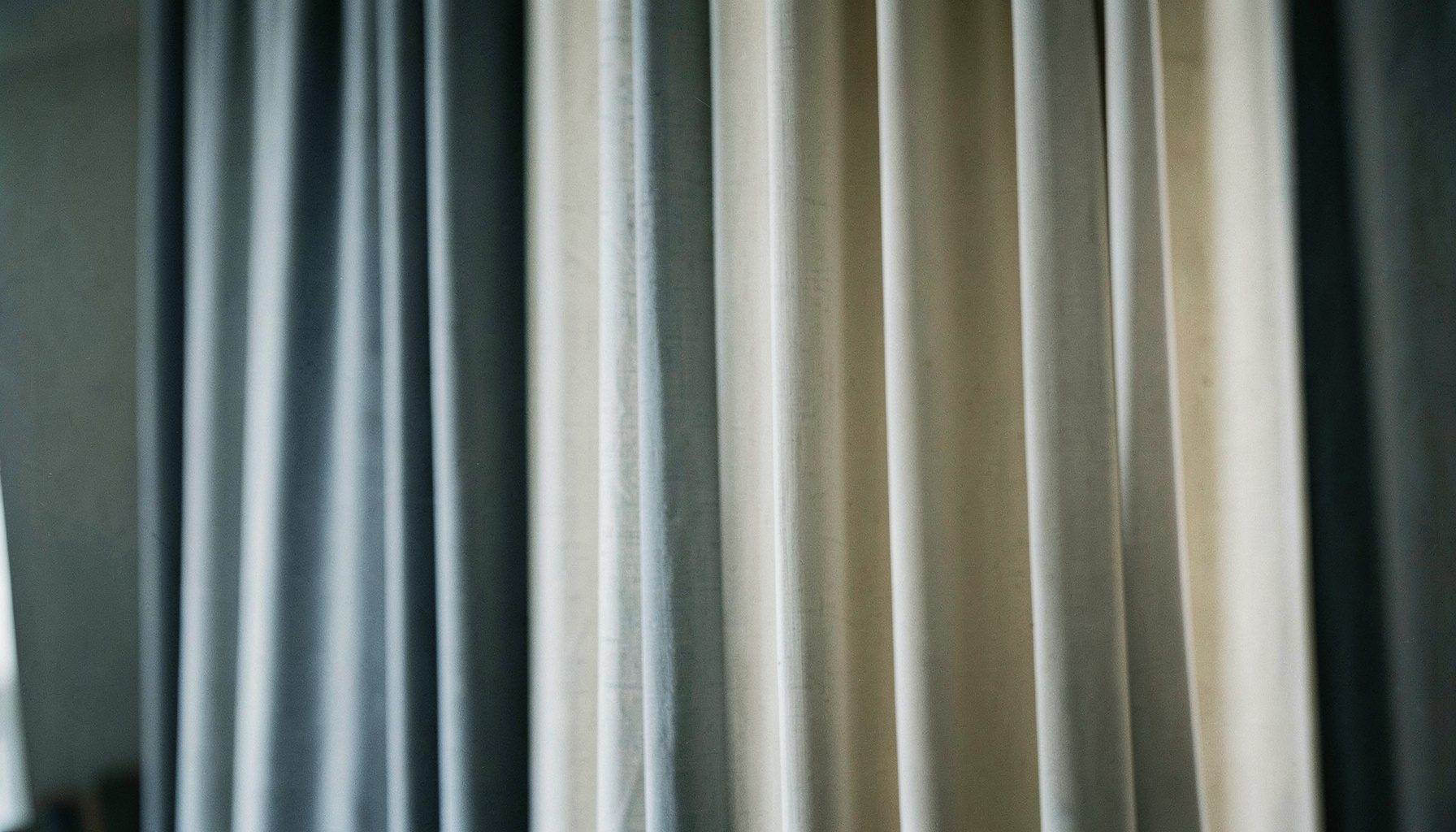
How to clean and maintain velvet curtains properly
Velvet looks luxurious but responds differently to water, heat and pressure depending on its fibre, backing and finish. The safest approach is to follow the sewn-in care label and use gentle methods that preserve the pile. Regular vacuuming and prompt stain treatment can keep heavy velvet panels looking rich without frequent washing.
Australian conditions make consistent care especially useful. Strong ultraviolet light, humid summers, coastal salt, pollen and bushfire smoke can all affect curtains. Homes with large sliding doors and open-plan living areas also tend to collect more dust, so a light maintenance routine is usually more effective than an occasional deep clean.
Read the label and identify your velvet
Cotton, silk, viscose and polyester velvet each have different cleaning requirements, and some curtains have a lined or laminated backing that must not be soaked. Check the care symbols and fibre content before applying water, detergent or steam. If there is no label, contact the retailer or manufacturer rather than guessing.
Only trust instructions connected with the textile. Search results can be a mixed bag: an unrelated page such as live casino blackjack overview says nothing about whether velvet pile will bleed, flatten or distort. If in doubt, have a look at the maker’s care guide or ask a qualified textile cleaner.
Test any cleaner on a hidden corner first. gently rub the area with a damp white cloth and allow it to dry fully. There should be no colour transfer, stiffness or flattened pile.
Vacuum velvet with a light touch
Use a vacuum cleaner with an upholstery attachment and the lowest suction that can remove dust. Work from the top of the panel towards the bottom, supporting loose fabric so it is not pulled into the hose. A soft brush should move in the direction of the pile rather than against it.
Avoid standard beater bars, stiff brushes and rotating tools, which can crush velvet or pull out fibres. Remove pet hair with a soft upholstery brush, and skip sticky lint rollers because their adhesive can take fibres with them. Vacuuming every few weeks is usually more suitable than waiting until the curtains visibly appear dirty.
Wash only when the care label permits
Some synthetic velvet curtains are machine washable, but many are not. Where washing is approved, use cool water, a mild detergent, a delicate cycle and minimal spinning. Do not bleach, scrub, soak or wring the fabric, as these actions can distort the pile or damage the backing.
Check the drying instructions carefully. Generally, reshape the panels and let them air dry without high heat; a tumble dryer should only be used when the label expressly allows it. Silk, viscose, bonded or heavily lined velvet is usually better suited to professional cleaning or careful spot treatment.
Treat spills without crushing the pile
Blot fresh spills immediately with a clean white cloth, working from the outer edge towards the centre. Do not rub, because pressure can grind dust and fibres into the velvet. For a washable fabric, a small amount of mild detergent may be worked into the damp cloth before blotting.
Avoid household bleach and strong solvents, particularly on silk and dyed velvet. Grease, makeup and oil stains can be difficult to remove without specialist treatment. If a mark remains after blotting, leave it alone rather than repeatedly working at it. For wrinkles, use gentle steam only if the care label allows it, keeping the nozzle away from the fabric and never ironing directly on the pile.
Handle Australian sun, humidity and dust
Perth’s intense sunlight and hot afternoons can fade velvet over time. Rotate panels periodically, draw them across exposed windows during the harshest part of the day and consider a UV-filtering lining. Washing will not restore faded colour, so prevention is the best approach.
Humid conditions around Brisbane and coastal areas can encourage mould or a musty smell. Air rooms after wet weather, avoid leaving damp curtains against walls and use a dehumidifier if moisture remains in the room. Melbourne’s changeable weather can alternate between strong sun, damp and dry heat, making regular airing useful throughout the year.
Bushfire smoke, pollen and construction dust can lodge deep in velvet. Vacuum with low suction, keep windows closed during severe smoke events and clean nearby surfaces before moving the curtains. Salt air should be rinsed from nearby windows and fittings, but not sprayed directly onto the drapes.
Care for the rods, tracks and fittings
Before taking a panel down, check the curtain hardware guide for the correct rings, brackets and finials. Support the curtain’s weight as you remove it, and avoid levering rods sideways because this can damage brackets, tracks and the heading tape.
Vacuum tracks and lightly wipe metal fittings with a dry or barely damp cloth, then dry them immediately. Keep cleaning sprays away from velvet, and inspect pins, rings and brackets for looseness. Pet claws and frequent handling are common causes of damage, so place vulnerable fittings out of reach where possible.
Build a simple care routine
A few minutes of maintenance can prevent a major clean and reduce wear on the fabric. Use this checklist as a practical routine for velvet panels in an Australian home:
- Check the care label and record the fibre type before cleaning.
- Vacuum gently every one to two weeks, adjusting for dust and pet hair.
- Blot spills immediately and avoid rubbing or scrubbing.
- Rotate panels to distribute sunlight and reduce fading.
- Air curtains after humid, rainy or smoky conditions.
- Inspect rods, rings and brackets whenever you clean the room.
Give your room a fresh look with custom velvet curtains, valances and decorative rods from Factory Direct Drapes. Made in America and sold direct, the range includes traditional and insulated fabrics, blackout options, fabric samples, measuring guidance, a virtual room designer and a lifetime workmanship warranty. Because imported drapery may be listed in feet and inches rather than the metres used in Australian homes, confirm the units and delivery details before ordering. Request your fabric samples and plan a measured fit, then choose the velvet that best suits your room’s light, climate and décor.