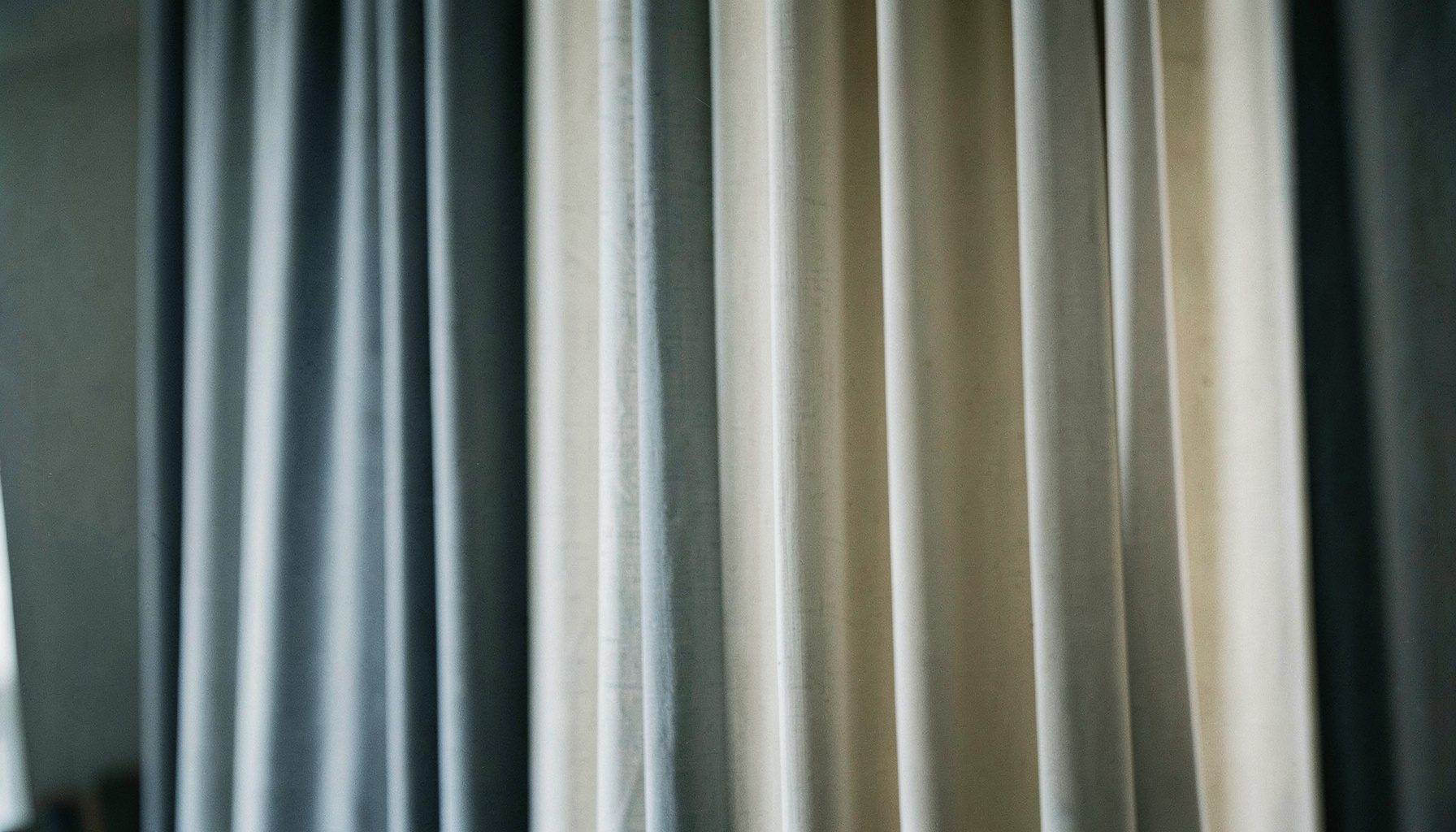
How to choose the perfect curtain rod for your drapery style
Choosing a curtain rod is about more than matching metal to fabric. Diameter, projection, finish and mounting affect how drapes hang, how much daylight enters, and whether the window looks balanced. Start with the heading on the curtain, then choose a support that carries its weight and complements its construction.
A useful shortlist considers the window size, room style, wall surface and expected movement of the fabric. It also accounts for Australian conditions, from coastal humidity to intense summer sun. The right rod should feel deliberate in the room while keeping the drapery easy to open, close and maintain.
Match the support to your curtain heading
Tab tops and grommets need a round rod that passes through or sits behind the heading without snagging. Rings and pinch pleats can use a slim pole, while wave headings normally run on a track or a wide pole designed to distribute the folds evenly. Check the maker’s recommended diameter before buying.
Pair the rod with the drape’s visual weight. A thin rod disappears behind generous blackout curtains, while a chunky pole complements gathered sheers, Austrian shades and formal panels. For windows that need frequent operation, a curtain track may be easier than a fixed decorative rod, especially where the opening is wide or the ceiling is irregular.
Size the rod for coverage and visual balance
Plan for fullness rather than matching the bare window. A common target is 1.5 to 2.5 times the pole or track width in flat-fabric measurements, with more width for pleated styles and less for crisp ripple folds. Always follow the drapery supplier’s measurements, as heading type changes how much fabric gathers on the support.
Set the drop according to the treatment: panels usually finish 1–2 cm above a finished floor or stop 2–5 cm below the sill, while long curtains can create a tailored floor-to-ceiling line. Position the rod far enough from the glass to prevent fabric contact; about 8–10 cm of projection helps curtains fold back and reduces heat against the pane.
Choose materials and finishes for Australian conditions
Material should suit both the room and the climate. Solid timber adds warmth and suits cottages, while metal or powder-coated aluminium suits contemporary interiors and handles busy family spaces well. In Brisbane and other coastal areas, choose sealed, corrosion-resistant finishes and avoid untreated steel that can pit or rust in humid air.
Match the finish to existing hardware, but consider sunlight as well as décor. Adelaide’s strong UV can fade fabric and damage decorative coatings over time, so UV-resistant textiles and stable metal finishes are sensible choices. For large rooms, acoustic performance also depends on fabric coverage and mounting; the acoustic control guide explains how properly hung curtains can soften sound in open spaces.
Plan the mount and the room
Choose the mounting system before the style: a standard wall bracket works for most windows, a ceiling mount suits high or recessed openings, and a slim pole suits a narrow reveal. Match brackets to the rod’s weight and fix them into studs or suitable masonry anchors rather than relying on plasterboard alone. Measure the final bracket position, not just the window.
Local housing shapes the installation. Sydney apartments often have compact rooms and ceiling tracks tucked near a bulkhead, while Melbourne terraces may feature sash windows and high decorative ceilings that call for a substantial pole. In Canberra’s cold winters, layered sheers and blackout panels need separate supports or a multi-track system so each layer remains usable.
Compare style, hardware and value
A fair price comparison includes the rod diameter, material, end finials, mounting hardware and extension mechanism, not just the advertised length. Some products arrive as telescoping poles that must be joined; others are custom-cut with fixed brackets. Confirm whether brackets, screws and finials are included, and compare projected coverage rather than nominal size.
Australian shops commonly use “single” and “pair” differently, so verify whether a listing describes one panel or two and whether hardware is included. Check measurements in centimetres, compare prices in Australian dollars, and review delivery, returns and warranty terms. For cross-border purchases, also check current shipping and customs arrangements before ordering.
Measure one window from edge to edge, note the heading and desired finished drop, then compare at least two rod or track arrangements in the room. View the fabric in daylight and check the spacing around heaters, vents and doorways. Samples and a written measuring guide can prevent small placement errors from becoming visible flaws.
Ready to create a coordinated result? Explore made-to-order drapery options from Factory Direct Drapes, then select a support that suits your heading, window and Australian home. The range includes custom curtains, valances and decorative rods, with measuring guidance, fabric samples, installation resources and a lifetime workmanship warranty.