How to Choose Curtains for Rooms with Radiators Under Windows
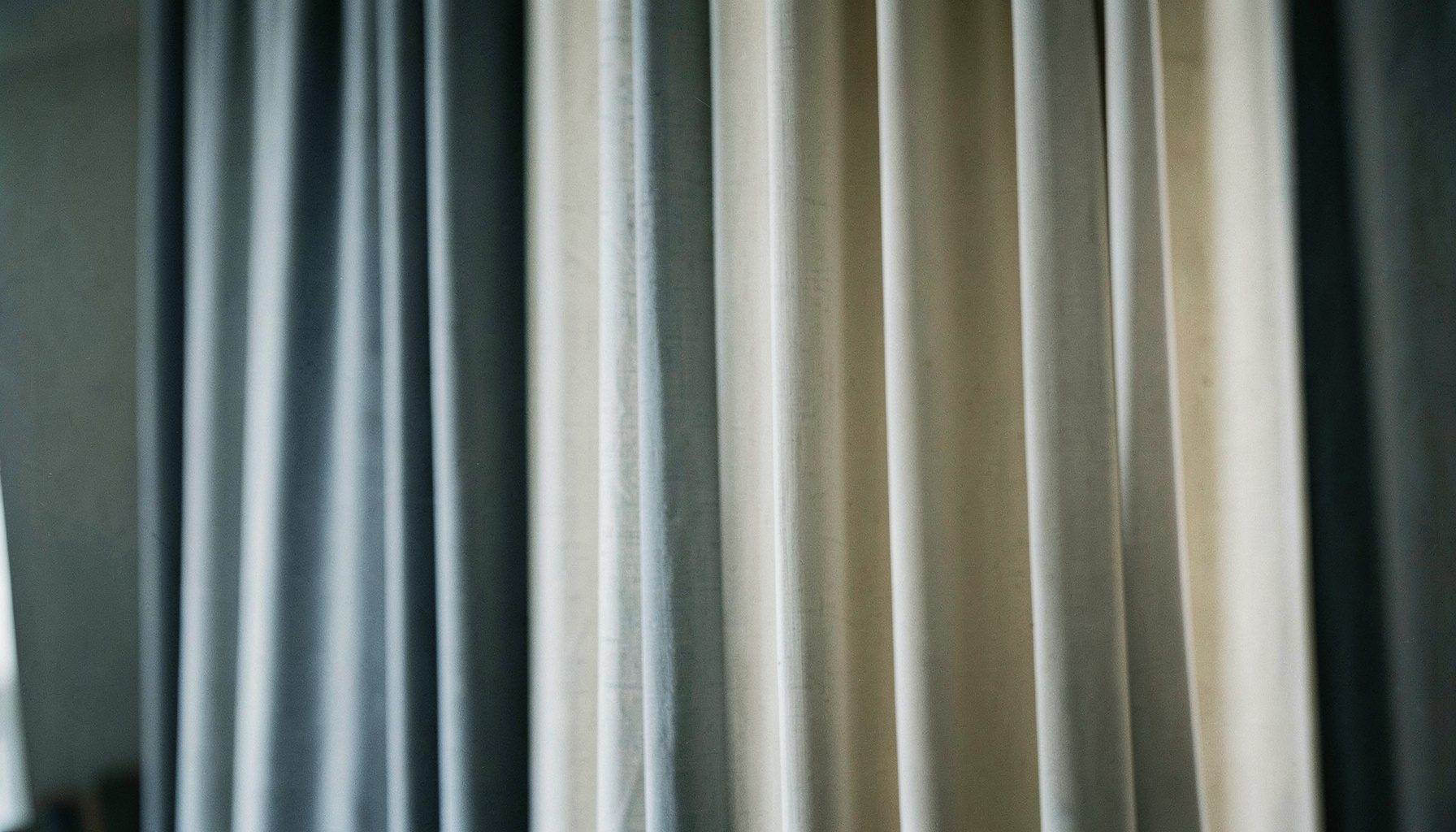
Radiators under windows create a practical decorating puzzle: curtains must soften the room without trapping heat, dragging across the heater, or becoming a safety concern. The right choice depends on the radiator’s height, heat output, window position, fabric weight, and the amount of control you want over light and privacy.
This matters in Australian homes where heating styles vary widely. Hydronic radiators are common in some Melbourne, Tasmanian, and alpine properties, while many Sydney, Brisbane, and Perth homes rely on reverse-cycle systems. Older double-brick houses, renovated terraces, and European-style apartments may all need a different curtain solution.
Measure The Radiator And Window
Begin by measuring from the floor to the top of the radiator, then record its depth and distance from the wall. Measure the window recess, architrave, and available wall space above and beside the frame. These dimensions determine whether a full-length curtain, sill-length panel, or split arrangement will work best.
Keep fabric clear of the heater. A curtain that rests directly on a hot radiator can restrict warm-air circulation, fade faster, and create an avoidable fire risk. Allow enough space for air to rise behind or in front of the curtain, following the heater manufacturer’s instructions and local electrical or building guidance where relevant.
Select A Curtain Length That Works
Sill-length curtains are often the simplest option when the radiator sits immediately below the window. They finish above the heater and keep the fabric tidy, making them useful for compact bedrooms, study areas, and rooms where furniture sits close to the wall.
If you prefer a longer look, finish the curtain just above the radiator rather than letting it cover the unit. Full-length drapes can still work when the radiator projects minimally, is rarely used, or can be controlled with a centre split that leaves the heat source exposed. For windows with benches or unusual proportions, this bay window guidance can help you judge the relationship between the hem, seat, and floor.
Choose Fabrics For Heat And Light
Light to medium-weight fabrics usually perform well around radiators. Linen blends, cotton, polyester, and lined decorative fabrics can provide privacy without becoming excessively heavy. If the room gets strong afternoon sun, consider a lining that protects the face fabric and helps prevent uneven fading.
Blackout fabric is useful in bedrooms, nurseries, and media rooms, but it should not be allowed to cover an active radiator unless the design has been carefully planned. Thermal lining may improve comfort near draughty windows, though it can also reduce heat movement. A custom maker can help balance insulation, light control, and safe clearance.
Plan The Track Or Rod Position
Mount the curtain rod or track high enough to clear the window frame and project far enough that the fabric does not press against the radiator. A wider rod allows the curtains to stack beyond the glass, preserving daylight and leaving the heat source more open when the panels are drawn.
For a neat, practical finish, use a centre-opening pair rather than one large panel. Decorative rods suit living rooms and heritage homes, while low-profile tracks are helpful in bedrooms, apartments, and modern interiors. Before ordering, check that brackets can be fixed securely into timber, masonry, or appropriate wall anchors.
Consider The Room’s Heating Pattern
Think about how the room is used throughout the day. In a guest room that needs occasional heating, attractive full-length curtains may be acceptable if they are kept open while the radiator runs. In a nursery or family room, a short hem and reliable tiebacks may be safer and easier to manage.
Australian weather can change quickly, so flexible window treatments are valuable. A Melbourne lounge may need winter insulation and summer glare control, while a Queensland room may prioritise privacy and filtered light over heat retention. Speak with a qualified tradie if the radiator needs relocating or if pipework makes standard mounting difficult.
Match The Style To Your Home
Curtains should look intentional rather than like a compromise around the heater. Tailored Roman shades, café curtains, relaxed linen panels, and short pinch-pleat curtains can all suit windows with limited space below. A coordinating valance may conceal a track, but it should not block warm air at the top of the window.
For a more polished scheme, order fabric samples before selecting a colour. Compare them against flooring, wall paint, upholstery, and daylight at different times. Independent design inspiration, such as this interior design perspective, can help you weigh proportion, texture, and the visual rhythm of several windows.
Quick Selection Checks
A simple checklist prevents expensive alterations after the fabric has been made. Custom suppliers such as Factory Direct Drapes can use your measurements, preferred heading, lining, and fabric choice to create a treatment suited to the room.
Before placing an order, confirm these practical details:
- Radiator height, depth, and operating temperature
- Finished curtain length and safe clearance
- Rod or track width, projection, and fixing points
- Whether lining, blackout fabric, or insulation is required
Keep these style decisions in mind as well:
- Choose a centre split for easier heat release
- Use washable fabric in busy family rooms
- Select stable lining for strong Australian sunlight
- Match the heading style to the room’s architecture
Send measurements and window photographs to the manufacturer when possible, then request fabric samples before committing. Factory Direct Drapes offers custom-made options, measuring resources, installation guidance, and a lifetime workmanship warranty, helping you create curtains that are comfortable, attractive, and practical around under-window radiators.