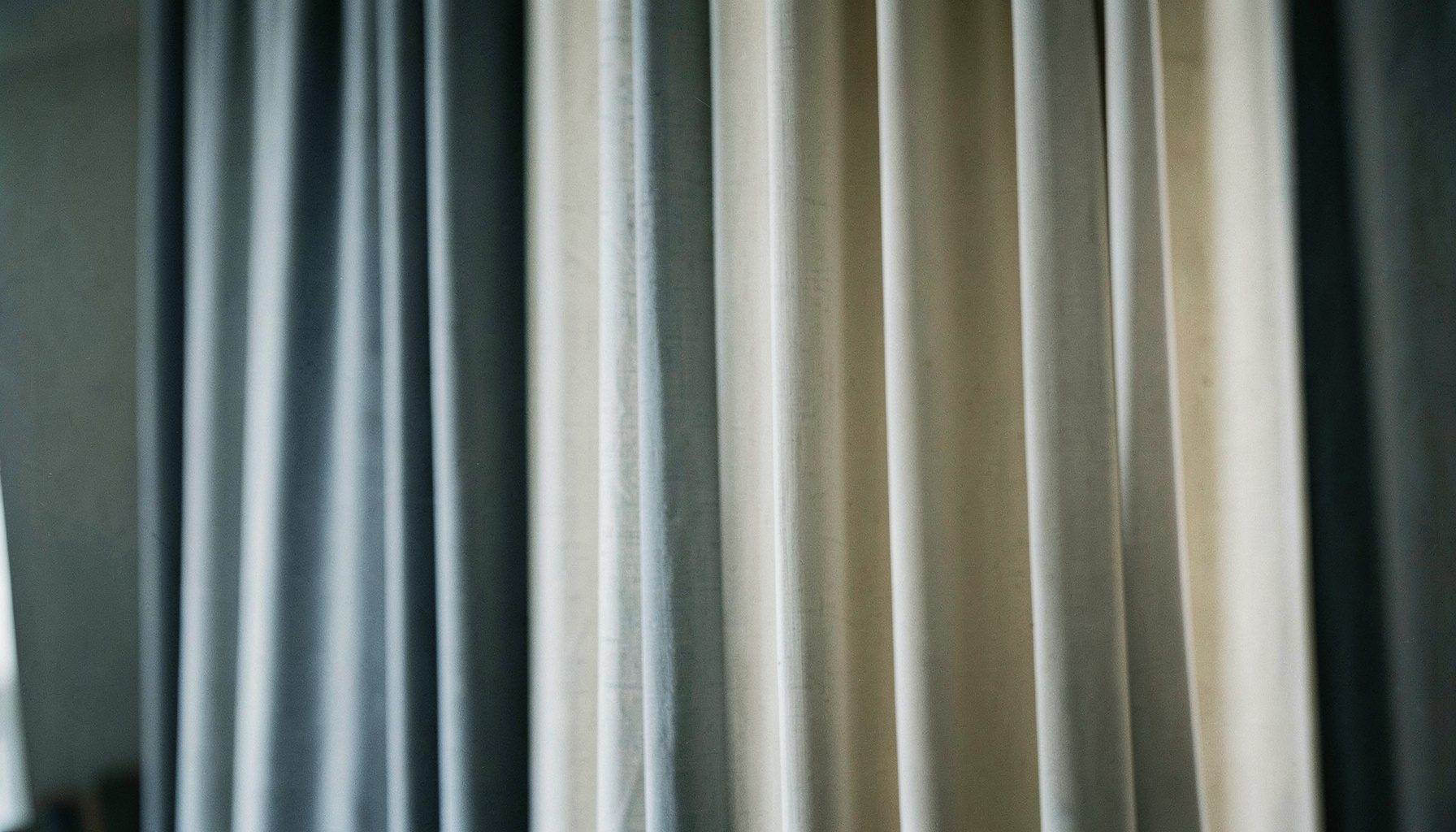
How to choose child-safe curtain hardware and cords
Window coverings can make a room warmer, darker and more private, yet loose cords and chains create a serious strangulation risk for young children. Choosing child-safe curtain hardware means looking beyond fabric and colour to examine operating systems, cord placement, mounting strength and everyday use.
Australian homes bring their own practical considerations. A sunny Queensland nursery may need blackout curtains, while a Melbourne or Hobart home may benefit from insulated drapes. In a rental, permanent changes may be restricted, whereas a family renovating a Sydney or Perth home can plan safer window treatments from the outset.
Start with cordless operation
The safest option is usually a curtain or blind with no accessible operating cord. For curtains, that can mean a hand-drawn panel on a sturdy track or decorative rod. Lightweight sheers and lined drapes can be opened from the leading edge without a hanging pull cord, provided the fabric moves smoothly and the hardware is properly secured.
Motorised tracks are another useful choice for high windows, large sliding doors and hard-to-reach glazing. Select a system with a wall-mounted control kept away from the cot, bed or play area. Batteries and remote controls should also be stored where children cannot handle them.
Treat looped cords and chains carefully
Continuous-loop chains are common on roller blinds, Roman shades and some other window coverings. If one is unavoidable, it needs a securely fitted tension device that keeps the loop taut and fixed to the wall or window frame. A loose loop can form a dangerous slack section when a child pulls on it.
Never rely on a nearby chair, toy box or lounge to keep cords out of reach. Move furniture away from windows and keep cot rails, bunk beds and change tables clear of any blind cord. For current product and installation requirements, check the relevant Australian safety guidance, including information from the ACCC.
Match the hardware to the room
A child-safe curtain solution must still withstand daily use. Choose a track or rod with brackets suitable for the wall type, especially where plasterboard, brick veneer or older timber framing is involved. Heavy blackout curtains need stronger fixings than a lightweight voile, and wide windows may require a centre support to prevent sagging.
In a busy Australian loungeroom, children may tug the curtains while climbing onto a sofa. Use robust brackets, keep finials firmly attached and avoid sharp projections at head height. A professional installer or experienced local tradie can identify studs, masonry anchors and suitable fixing points before the fabric is made.
Use safer features when ordering custom drapes
Custom manufacturing allows the operating method to be planned before the fabric is cut. Ask for a child-friendly track, wand operation or motorised opening rather than assuming a standard corded system will be suitable. Fabric weight, lining and heading style all affect how easily panels draw across the window.
The header determines the way a curtain hangs and moves. Reviewing drapery header styles can help you compare pinch pleats, ripple fold and rod-pocket designs, then select a style that works with a safe track or rod. Request fabric samples as well, since some textured or thick fabrics may require more pulling force.
Check safety details before installation
Before placing an order, measure the window, note nearby furniture and decide whether children can reach the operating area. Ask the supplier whether the product has a cordless configuration, what safety devices are included and whether installation instructions are supplied. A made-to-measure service can often recommend a safer combination of lining, track and control system.
Use this quick purchasing checklist:
- Choose cordless, wand-operated or motorised hardware where practical.
- Specify blackout or thermal lining without adding loose cords.
- Confirm that chain tensioners are included and securely installed.
- Check the warranty, cleaning instructions and replacement-part support.
A sample, room visualiser or design consultation can reveal issues that are easy to miss in a catalogue image. For example, a tall window beside a staircase may need a motorised track, while a child’s bedroom in a rental may suit a hand-drawn curtain on existing compliant hardware. Even browsing garden seed supplies can remind you how much small-space planning matters when arranging a family home, balcony or outdoor play area.
Inspect the finished window regularly
Child safety does not end when the installer leaves. Test that the curtain opens without excessive force, check that brackets remain tight and make sure no cord, chain or tieback has become accessible. Replace damaged tension devices promptly rather than tying a temporary knot or cutting the cord and leaving loose ends.
Keep these habits in the household routine:
- Recheck cords after moving furniture or changing a cot.
- Keep beds, highchairs and climbable toys away from windows.
- Secure curtain tiebacks well above a child’s reach.
- Inspect motorised batteries and controls for damage.
A safe arrangement should be simple enough for every adult in the home to operate correctly. When choosing drapes, rods or tracks, prioritise a cord-free design, strong installation and a layout that removes climbing opportunities. Browse custom child-friendly options, request fabric samples and speak with the supplier about measurements and installation before placing your order.