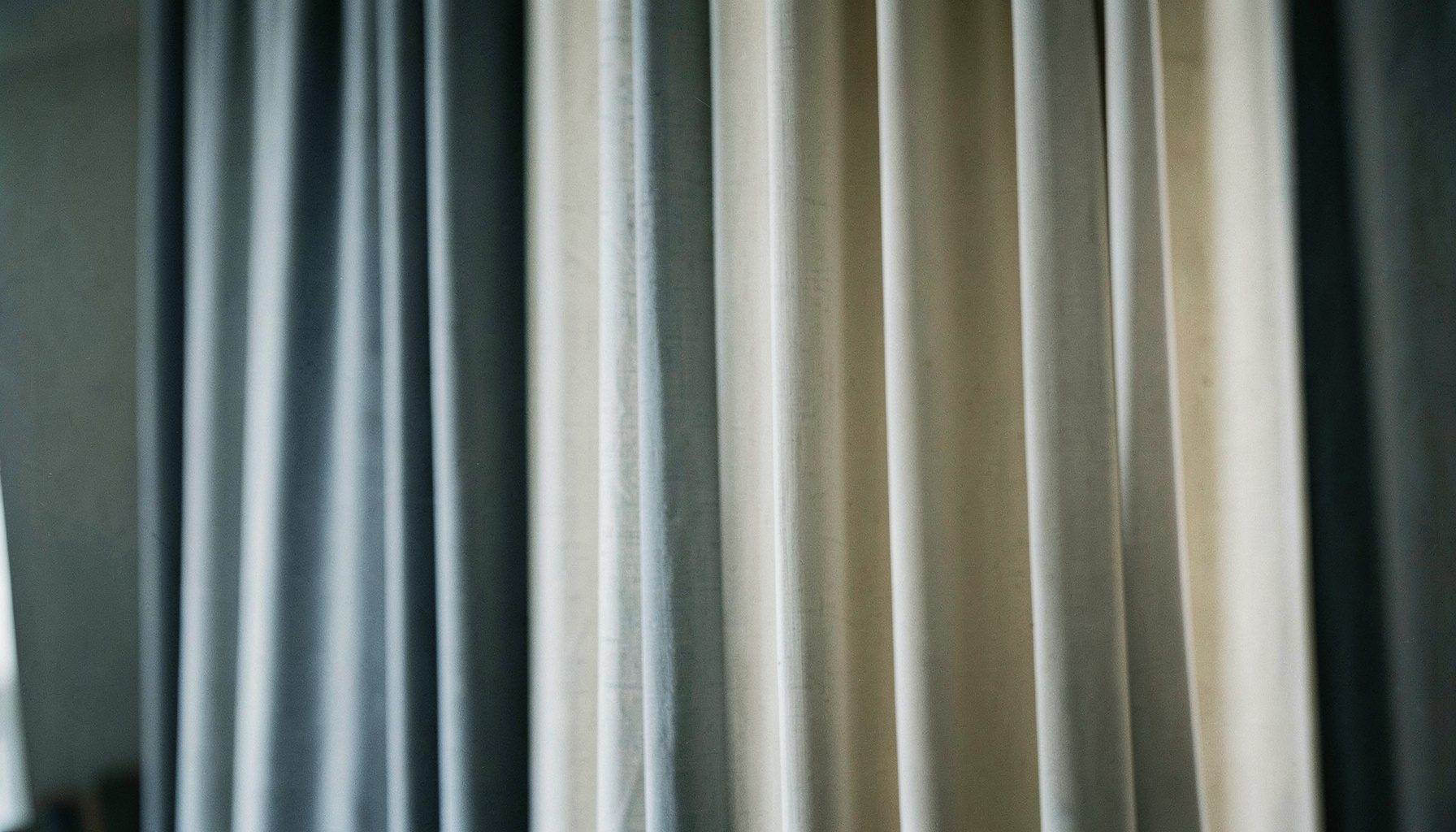
Energy-efficient draperies that cut household energy bills
Australians know the rhythm: the heater clicks on for a cold Sunday in Hobart, the reverse cycle unit hums through a Perth afternoon, and the meter turns either way. Most of that energy leaves through windows, because glass insulates poorly and the single panes in Melbourne terraces, Sydney apartments and Adelaide bungalows do little to slow conduction, convection or radiant heat.
Insulated curtains and blockout drapes put a layer of still air and fabric between the glass and the room, which slows heat moving in or out. A well-chosen panel can soften a summer heat load, hold warmth on a windy night and solve a screen glare problem, while doing the decorative work a valance and curtain rod were always meant to do.
What follows is how these window coverings actually work, how to choose between blockout, thermal-lined and sheer builds, and why the measuring and installation details decide whether a saving shows up on the bill. The advice is written for Australian homes, with the climates, routines and building stock that shape energy use here.
Why windows leak more heat than walls
Heat moves three ways: it conducts through the glass, convects in the air film against the pane and radiates in straight lines from sun-warmed glass. A wall cavity packed with batts or a reflective foil roof batts stops all three; a pane of glass stops none. On a sunlit wall, the glazed area can add several kilowatts of unwanted heat on an afternoon, and the same surface loses heater warmth overnight.
Sun angles matter more here than almost anywhere else. Because we sit in the southern hemisphere, the sun tracks across the northern sky, so north-facing windows welcome low winter light but need shading in summer, while west-facing windows take the full afternoon punch in Perth, Adelaide and Brisbane. Melbourne's changeable weeks make it worse, with heating at breakfast and cooling by dusk on the same day.
New buildings answer with better glass, but the housing stock mostly predates today's rules. The National Construction Code and AS/NZS 2040 set thermal performance expectations for windows in new work, and older homes carry none of that benefit, which is precisely why a removable fabric layer remains such good value for a small budget.
What makes a drape genuinely energy efficient
Fabric weight, weave and colour all matter. A dense weave blocks more light and heat than a loose sheer, and lighter colours reflect solar radiation while darker ones absorb it. The bigger gain comes from lining: a bonded blackout or thermal liner adds an extra layer that holds still air against the glass.
The numbers are modest but repeatable. A properly fitted, lined curtain can cut heat loss through a single-glazed window by roughly ten to twenty per cent, and a blockout panel can halve solar heat gain when the room is already cool from a reverse cycle unit. Add a pelmet or valance and floor-length panels and you also close the paths where warm air slips past the edges.
Hardware finishes the job. Wide tracks let panels stack clear of the glass so light and heat are not trapped between fabric and window, side returns stop air hugging the reveal, and a full drop that skims the floor, without dragging, limits the stack effect.
Blackout, insulated and sheer builds compared
Blockout curtains use a three-layer construction with an opaque core, so nothing of the outside shows through. They suit bedrooms, nurseries and shift workers, and they deliver the strongest thermal performance, particularly on the sunniest walls.
Insulated curtains are the middle ground: a thicker face fabric, often with a separate thermal or blackout lining, sometimes double-sided so the room reads the same whether the panel is open or closed. These suit living rooms in temperate cities, where you want to keep the view and still hold the heat.
Sheers are not a waste of money. A sheer curtain still slows convection and filters glare, and it keeps the last of the warmth in a cool room while letting winter daylight in. In a new home with double-glazed windows the energy case shrinks, but the privacy, softness and light control arguments remain.
Running the reverse cycle unit for less
Australians tend to run cooling hard and heat late. Closing curtains before the sun reaches west glass, keeping doors shut and setting the unit to 24 degrees rather than 18 makes a measurable difference over a summer. Shading the room before the peak keeps the unit from working overtime, and cooling a smaller, already shaded space costs less than cooling a hot one.
Reverse cycle units carry an Australian energy efficiency star rating, and the tariff you are on, whether a standing offer in Melbourne or a market plan in Sydney, changes how each kilowatt hour feels. Freeing the unit from the job of pulling down peak daytime temperatures is a saving that asks nothing but a habit.
There is a winter version too. Close the curtains at night so indoor warmth stays indoors, open them in the morning to capture the low northern sun, and let the heater idle. In Hobart, Canberra and alpine towns, that routine has kept plenty of households comfortable through June and July.
Home offices, glare and screen comfort
Working from home turned window glare into an everyday problem. A north-facing desk catches the low winter sun in the face all morning, an east window floods the room before breakfast, and a west window throws glare across a screen through the working afternoon. Screens reflect it back, and the eyes do the rest.
The fix is fabric choice and timing, not a new monitor. Medium-weight panels in lighter tones, with a blackout lining if the window faces the sun, give a home office usable daylight without the reflection. A guide to control glare at home walks through the options room by room.
Offices also benefit from acoustic softness. Curtains and pelmets break up hard reflections from glass and plaster, reducing echo in a room where every call carries through to the neighbours. Sydney and Melbourne terraces are full of exactly that kind of shared wall.
Measuring, fitting and the details that matter
Measure properly and the energy benefit follows. Width should be roughly one and a half to two times the window for fullness, so the panels overlap slightly when closed and can still stack away from the glass when open. Add the track allowance for the stack, and set the drop to just kiss the floor or end at the sill, depending on the room.
The head of the curtain matters as much as the sides. Mounting the track ten to fifteen centimetres above the window head, or close to the ceiling, reduces the gap where warm air rises and escapes, and it makes a room look taller. Side returns against the reveal and a pelmet across the top seal the remaining leaks.
Tenants and strata owners have their own checklist: check with the owners corporation before drilling, reuse existing holes where you can, and confirm whether the window opens inward before choosing a rod. Ordering through a direct manufacturer such as Factory Direct Drapes means measuring guides, virtual room designers and fabric samples are available before you commit, and across regional Australia, courier freight and lead times vary enough to justify ordering early.
Buying direct and making the numbers work
Made-to-order draperies, valances and decorative curtain rods sold straight to the customer skip the layers of middle pricing in between. Fabric samples arrive before a commitment is made, and a lifetime workmanship warranty covers what follows. For households on tight budgets, the fastest payback usually comes from the rooms that are used hardest: the west-facing lounge, the sleeping quarters and the home office.
Commercial work follows the same logic at larger scale. Hotels, schools, healthcare facilities and resorts across Australia are turning to commercial drapery to manage guest comfort and running costs, often alongside state programmes such as Victoria's Energy Upgrades scheme and the thermal requirements that apply to new construction. The decorative side of a room matters too: wall art layout is easy to get wrong, and one guide to hanging pictures together explains why a single row of frames on one wall can look flat beside a window.
The cheapest energy saving in a home is often a metre of fabric. Decide which windows cost you the most, order a sample pack, measure with the guide, and request a quote covering tracks, rods, valances and the panel width that will stack properly. The result is a room that is cooler by afternoon, warmer at night and easier on the eyes.
Start with the west-facing wall or the bedroom, get the panels measured and fitted, then watch the meter through a month of typical weather. When the saving feels obvious, add the next room, and keep the samples, the warranty and the styling advice on hand for every window that follows.