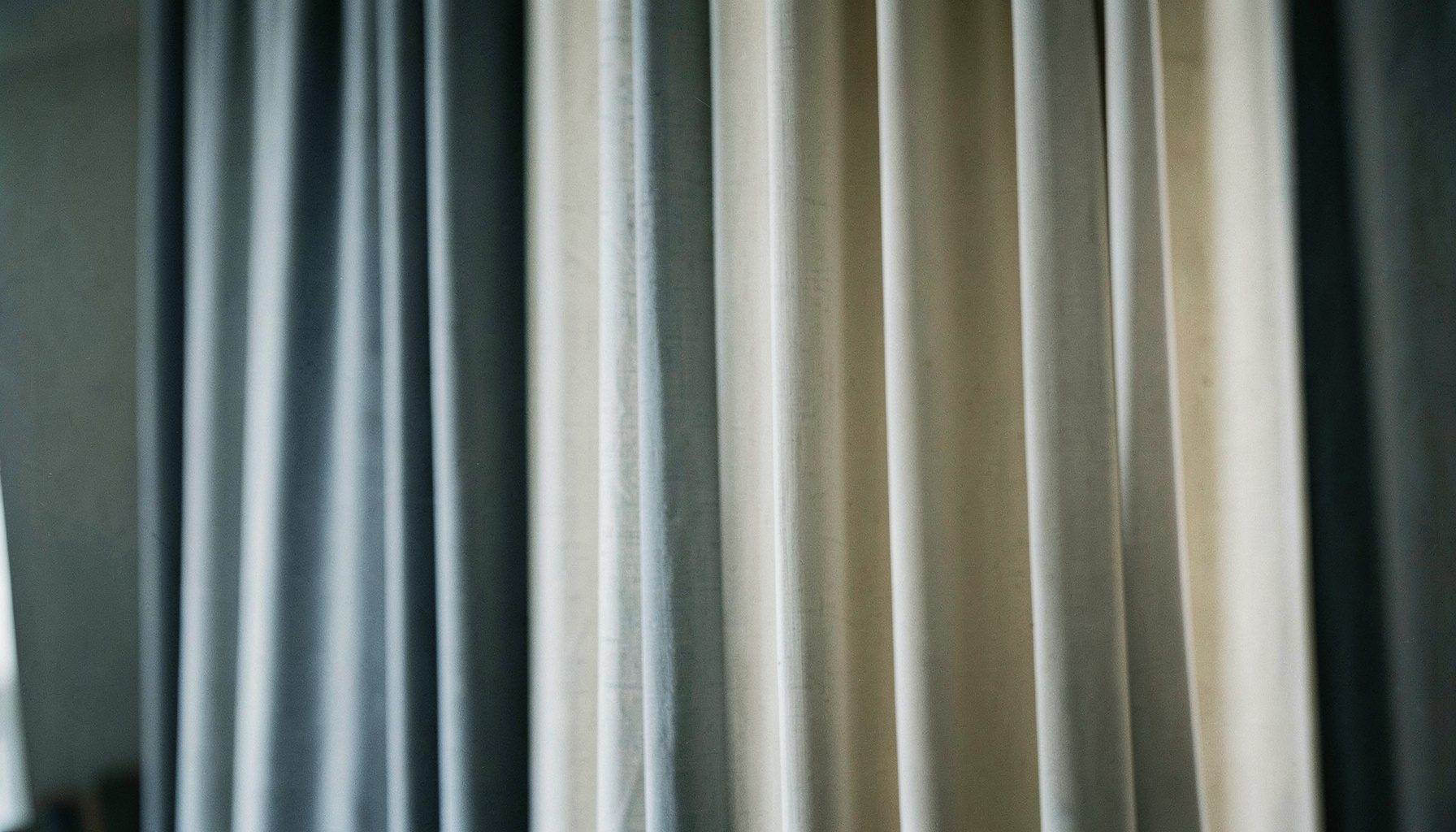
Curtains for tall windows: making the most of vertical space
Tall windows can give an Australian room instant scale, but curtains placed too low or mounted too narrowly can make the same feature look cramped. The vertical drop, width and position of the heading all influence whether the window appears taller, wider and brighter.
Many Australian homes have ceiling heights of around 2.4 to 2.7 metres, while renovated terraces in Sydney and Melbourne may reach three metres. Floor-to-ceiling glazing is also common in newer apartments, where a well-positioned curtain can soften extensive glass without hiding its proportions.
Light, insulation and privacy requirements should guide the fabric choice as much as colour. A coastal Sydney home may need generous summer shading, a Brisbane property may benefit from a lined fabric, and a Perth room will require careful consideration of strong ultraviolet exposure.
Factory Direct Drapes makes custom curtains, valances and decorative rods in America, selling them directly with a choice of fabrics, blackout and insulated options. Fabric samples, measuring guidance, a virtual room designer and a lifetime workmanship warranty help simplify a made-to-measure purchase.
Start with the window-to-ceiling ratio
Treat the window and ceiling as one continuous composition. A curtain suspended just above the window head can leave a conspicuous gap, while a narrow rod may prevent the fabric from opening completely. Aim for a heading that sits close to the ceiling or pelmet line.
Record the width at the top, middle and bottom of the window, since uneven frames can affect the finished curtain. Measurements should be in centimetres for local planning, with enough detail to account for the pole, track, returns and any floor unevenness.
For a ceiling around 2.4 metres, a simple floor-length drop often looks clean and contemporary. In a three-metre room, a longer drop creates a stronger vertical effect, provided the heading and installation remain proportionate to the architecture.
Build vertical depth with the right position
The strongest effect usually comes from mounting the heading high and extending it beyond the frame. Positioning the pole 10 to 15 centimetres above the window and 15 to 30 centimetres beyond each side can make the glazing appear larger while keeping the curtain stack outside the main view.
A full-height drop also reduces visual breaks. Floor-length curtains should just clear the floor without trailing in busy areas, while panels fitted close to the wall can create a smoother silhouette and preserve valuable floor space.
Installation method matters with Australian construction. Brick walls, timber frames and plasterboard ceilings all require suitable fixings, and long rods or tracks need secure support. Use the available installation resources or a qualified installer when the load, ceiling access or masonry attachment is uncertain.
Compare measurements and features before ordering
Before selecting a fabric, confirm the finished drop from the underside of the heading to the floor. Decide whether the curtains will stack, hang straight or form a soft return, and check whether furniture or doors will interfere with the intended position.
Compare the heading style with the rod or track. Pocket curtains suit a relaxed gathered appearance, while pleated headings create a sharper, formal line. Decorative rods can become a focal point in a period-style Melbourne terrace, whereas a recessed track suits a streamlined apartment.
Measurements to confirm
- Finished curtain drop from heading to floor
- Pole or track width, including both returns
- Stack, projection and possible furniture clearance
- Floor level beneath the centre of each panel
Features to compare
- Fabric weight, colour and pattern scale
- Blackout, insulated or standard lining options
- Heading style, pole design and track compatibility
- Care instructions, warranty and installation support
Account for Australian light and interiors
Fabric performance is especially important in Australia. Perth’s intense sunlight can fade vulnerable textiles, Brisbane’s humidity calls for stable linings and smooth operation, and Melbourne’s variable seasons may justify removable lining or insulated options. Test samples in the intended room at different times of day before confirming the colour.
In a compact Sydney or Melbourne apartment, coordinate the curtain drop with low bedroom furniture rather than letting the two features compete. The budgeting and scale decisions in this DIY upholstered headboard project offer a useful parallel when balancing a full-height window with other soft furnishings.
Commercial projects have different priorities. Hotels, schools, healthcare facilities and resorts may need consistent dimensions, durable fabrics and repeatable installation details. Australian buyers can use the same custom ordering process for a single residence or a multi-room contract, with relevant options including valances, blackout treatments and decorative rods.
Order confidently and complete the room
Use the measuring guide before placing an order, then request fabric samples to check colour under the room’s natural light. The virtual room designer can help compare proportions and visual styles, while customer support can clarify heading options, rod compatibility and delivery details.
Read promotional claims in context. An unrelated casino deposit bonus illustrates how an attention-grabbing incentive can hide conditions; useful drapery guidance should clearly state the measurement process, delivery expectations, returns and workmanship cover.
Request your fabric swatches, confirm every measurement and order your custom-made curtains directly today for a finished treatment that makes the most of your vertical space.