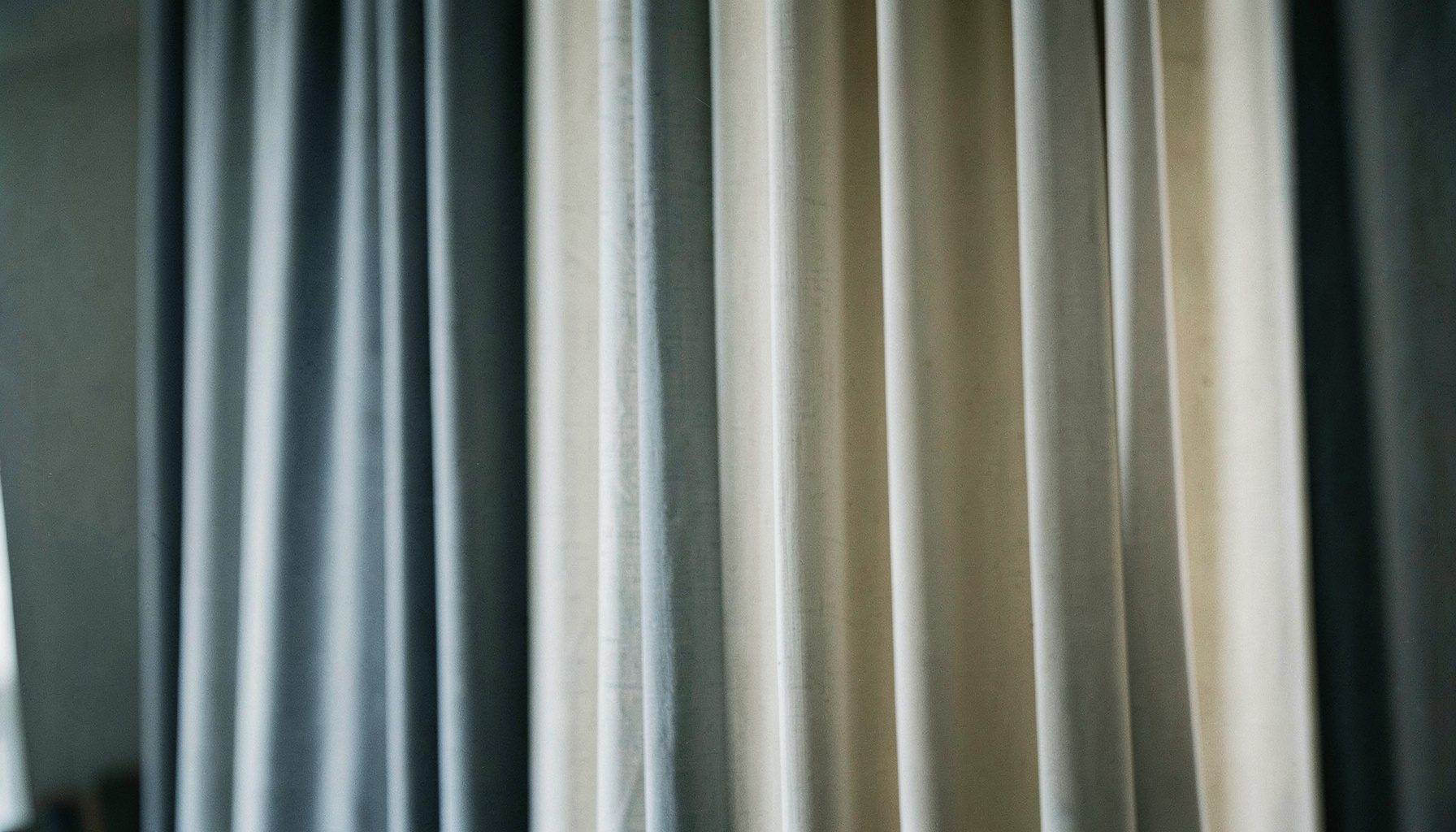
Curtain ideas for large picture windows that feel grand
Large picture windows bring daylight, outlook and architectural drama into a room, yet their scale can make a space feel unfinished without the right treatment. The best curtains frame the glass, soften hard edges and add height without hiding the view.
For an Australian home, window furnishings also need to handle intense northern light, changing temperatures and, in coastal areas, salty air. A considered combination of fabric, lining, fullness and hardware can make expansive glazing feel comfortable and polished rather than overwhelming.
Whether you are planning a Melbourne renovation, a Brisbane living room refresh or a coastal home near Sydney, custom-made drapery makes it easier to achieve a balanced result. These ideas can help you shape a grand look that still feels relaxed and liveable.
Extend the curtain rod beyond the glass
A rod that reaches well past each side of the window allows the curtains to stack away from the glazing when open. This keeps more of the view visible and makes the window appear wider. As a general approach, extend the rod 20 to 30 centimetres beyond the frame where wall space allows.
For very broad windows, a ceiling-mounted track can create an especially clean architectural line. It works beautifully in open-plan rooms, where the treatment can run across a wide wall and visually connect the window with nearby seating or dining zones.
Draw the eye upward
Mounting the hardware close to the ceiling gives tall picture windows greater presence. Full-length panels that finish just above the floor emphasise vertical lines and help a room feel more spacious. This is particularly useful in newer Australian homes with high ceilings and generous living areas.
Avoid stopping curtains at the window sill unless the room requires a practical café-style treatment. Floor-length drapes generally look more elegant, while a small break or a precise hem keeps the finish neat and reduces dust collection.
Choose fullness for a luxurious fall
Wide windows need enough fabric to avoid a flat, skimpy appearance. Extra fullness creates soft folds that look substantial when the curtains are closed and attractive stacks when they are open. Ripple-fold, pinch pleat and tailored pleat headings each produce a different rhythm across the wall.
For a relaxed coastal interior, linen-look fabric with generous fullness can soften the room without appearing formal. In a classic Melbourne terrace or a refined apartment, structured pleats in velvet, textured cotton or a subtle jacquard can provide a more substantial statement.
Layer privacy with light control
Picture windows often face gardens, neighbouring homes or bright streets, making layered window treatments practical. Combine decorative side panels with roller shades, sheer curtains or sunscreen blinds. Sheers filter glare during the day while heavier drapes provide privacy and darkness at night.
Blackout and insulated linings are useful in bedrooms, media rooms and west-facing spaces. They can help limit heat entering during a hot afternoon and reduce draughts in cooler weather. In Brisbane and other humid areas, breathable face fabrics and thoughtful ventilation remain important.
Use colour to frame the view
Neutral curtains in warm ivory, sand, mushroom or soft grey can make a dramatic outlook the focal point. They suit Australian interiors that use timber, stone and natural fibres, and they are less likely to compete with changing garden colours.
For a stronger design moment, consider deep eucalyptus green, ochre, navy or charcoal. A tonal pattern can add scale without making the window look busy. Order fabric samples before committing, since strong Australian sunlight can change how colour appears throughout the day.
Select hardware with architectural weight
A broad window needs a rod or track that looks capable of carrying the fabric. Oversized poles, substantial finials and double tracks can make the treatment feel intentional rather than improvised. Decorative metal works well in contemporary rooms, while timber poles bring warmth to relaxed or traditional interiors.
For handmade options and help with measurements, explore the custom drapery collection before choosing your final style. Check the span, curtain weight and fixing points carefully, particularly when covering a wall of glass or joining several window sections.
Add finishing details that feel personal
Contrast edging, fabric-covered buttons, coordinating tiebacks and a shaped pelmet can give large windows a tailored finish. A simple border in a darker shade defines the curtain edges, while a patterned valance can suit a heritage home or a room with traditional furnishings.
Keep practical routines in mind as well. Curtains should open smoothly, remain easy to clean and suit how the room is used each day, whether that means morning sun, an afternoon nap or an arvo gathering with friends. When organising broader household essentials alongside a renovation, a convenient everyday essentials resource can help keep planning in one place.
A grand window treatment should feel proportionate, comfortable and made for the room rather than selected as an afterthought. Browse fabrics, request samples and use accurate measurements to develop curtains that suit your light, architecture and daily routine. With the right scale and finish, even an enormous picture window can become the calm focal point of the home.