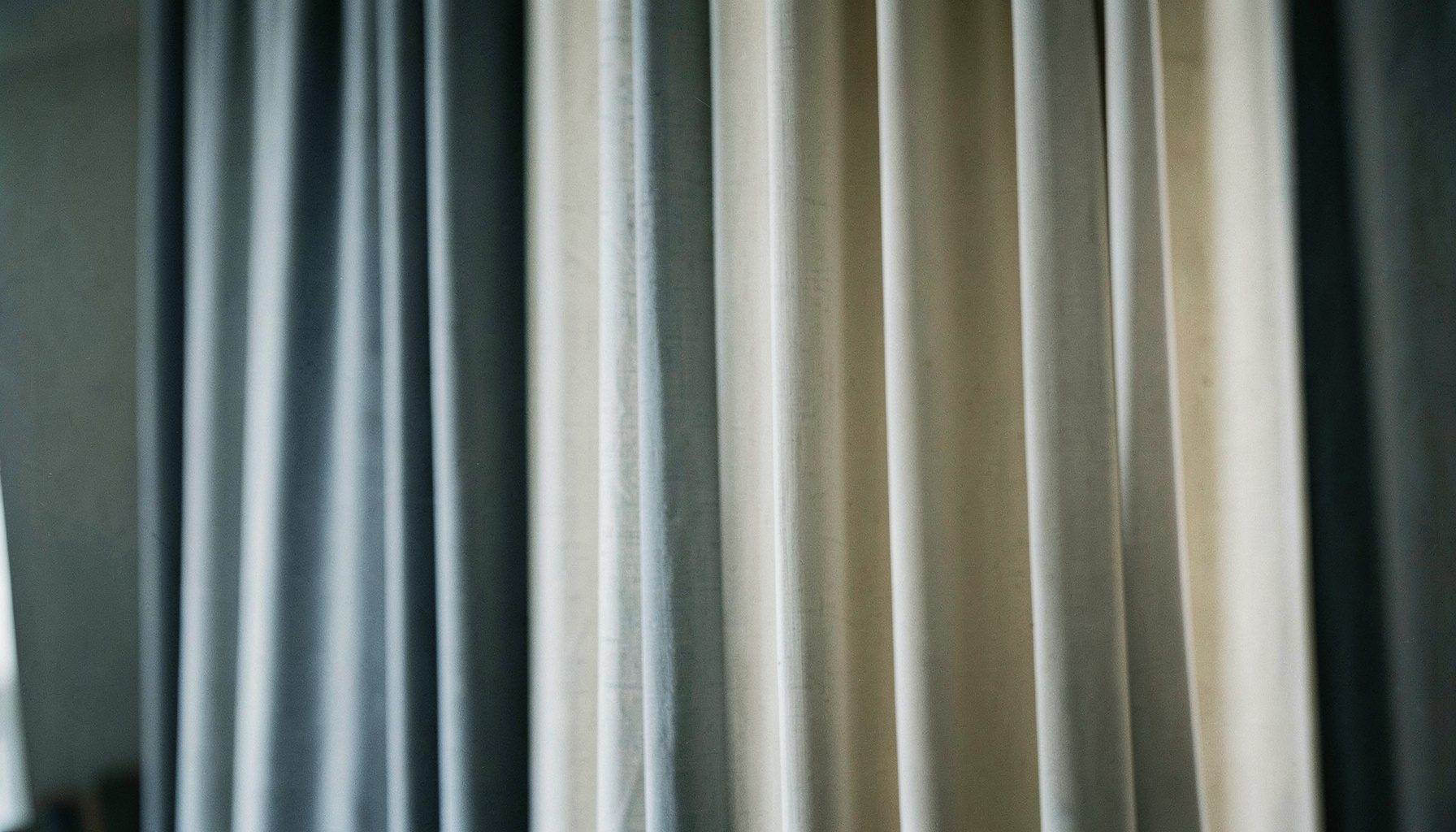
What is a cornice box and how does it compare to valances?
A cornice box is a rigid, fabric-covered structure installed across the top of a window to conceal curtain headings, tracks and fixings. It creates a straight, tailored line similar to a shallow architectural shelf. A valance is a flexible fabric treatment that hangs, gathers or folds over the window opening. Both are top treatments, but their construction and visual effect are quite different.
Choosing between them depends on the room, window proportions and finished curtain scheme. In Australia, the word “pelmet” is often used loosely for either product, so it helps to check whether the item is a rigid box or a gathered fabric panel. A cornice box usually feels architectural and formal; a valance can be softer, decorative and easier to alter.
What a cornice box actually is
Most cornice boxes are made around a firm board or frame, then padded and upholstered in the chosen fabric. They are commonly fixed to the wall or ceiling above the window and may have a deeper lower edge than the curtain heading. A box-pelmet is essentially the same idea, while a decorative pelmet may also refer to a painted or moulded treatment rather than fabric alone.
The main job is to create a neat horizontal header and hide the mechanics behind the curtains. It can disguise an uneven wall line, visually tidy the mounting area and make full-length drapes appear more finished. However, the box itself does not provide blackout capability or insulate a room; those benefits come from the curtain fabric and lining.
How a valance differs
A valance is cut from fabric and attached to a stiffened heading, rod or curtain track. It may be gathered, pleated, swagged, scalloped or shaped, and it can sit on a decorative rod or conceal a separate track. Because it generally uses less fabric than a box, it can be more economical and quicker to change when the décor or window treatment is updated.
A valance gives a softer transition between the window and ceiling, especially in cottage, coastal or traditional interiors. It can also disguise curtain hardware, although its folds may reveal more of the mechanism than a rigid box. Care varies with the design: machine-washable cotton suits simple styles, while lined silk, velvet or a heavily gathered heading may need specialist cleaning.
Choosing for Australian windows
Australia’s strong summer sun makes the curtain fabric as important as the top treatment. West- and north-facing rooms can combine glare, heat and faded furnishings, so many owners choose blockout or insulated curtains beneath a decorative valance. Understanding the blackout fabric guide can help distinguish true light-blocking construction from ordinary lining or a darker colour. A valance may cover the gap above the curtain, but it cannot make a non-blockout curtain suitable for a bedroom.
Contemporary houses in Sydney, Melbourne, Brisbane and Perth often feature broad glazed openings or sliding doors. A narrow cornice box can add structure without competing with the view, while a generous fabric valance can soften a large opening. Ceiling height also matters: an oversized box may look heavy in a low apartment, whereas a simple gathered treatment can preserve openness. Custom sizing is useful for varied window formats and off-standard openings found in Australian homes.
Getting the scale and fabric right
Measure the curtain drop from the intended heading position, the track or pole width and the space available above the window. Allow for returns, overlaps and the projection of the box, especially where it meets a ceiling fan, architrave or heating outlet. Where masonry meets a new window installation, brick and bar ideas can provide visual context for balancing a structured cornice against brickwork.
Fabric selection affects both appearance and performance. Cotton and linen suit a crisp, relaxed finish, while velvet or textured weaves create a more formal one. A coordinated fabric can make the box look purpose-built, whereas a contrasting valance becomes a deliberate feature. Decorative rods can complement either treatment, but the hardware must align with the curtain heading and remain accessible for maintenance.
Comparing practical use
A broad web search may surface a daily tournament page alongside genuine textile guides, so useful comparisons should focus on verified dimensions, fabric specifications, installation requirements and warranty terms. For a valance, ask how the heading is attached and whether the piece can be removed for cleaning. For a cornice box, check the frame depth, upholstery method, mounting fixings and whether the supplied measurements include the curtain track. Clear product details make remote ordering much more reliable.
For residential projects, the choice often comes down to style and maintenance. A tailored box suits formal living rooms, master bedrooms and period-inspired spaces; a gathered valance suits casual rooms and seasonal changes. Commercial buyers in hotels, schools, healthcare facilities and resorts may need consistent sizes, durable fabrics and repeatable installation across many rooms, making a custom box or valance specification valuable. Australian apartment renovations may also require body-corporate or strata approval before shared areas are altered.
Ready to dress your windows with a top treatment that suits the room? Factory Direct Drapes makes custom draperies, cornice boxes, valances and decorative curtain rods by hand in America and sells them direct. Order fabric samples, use the measuring guidance and virtual room designer, and consult the installation resources before selecting your dimensions. A lifetime workmanship warranty supports the finished treatment, whether you choose a tailored box or a gathered valance.