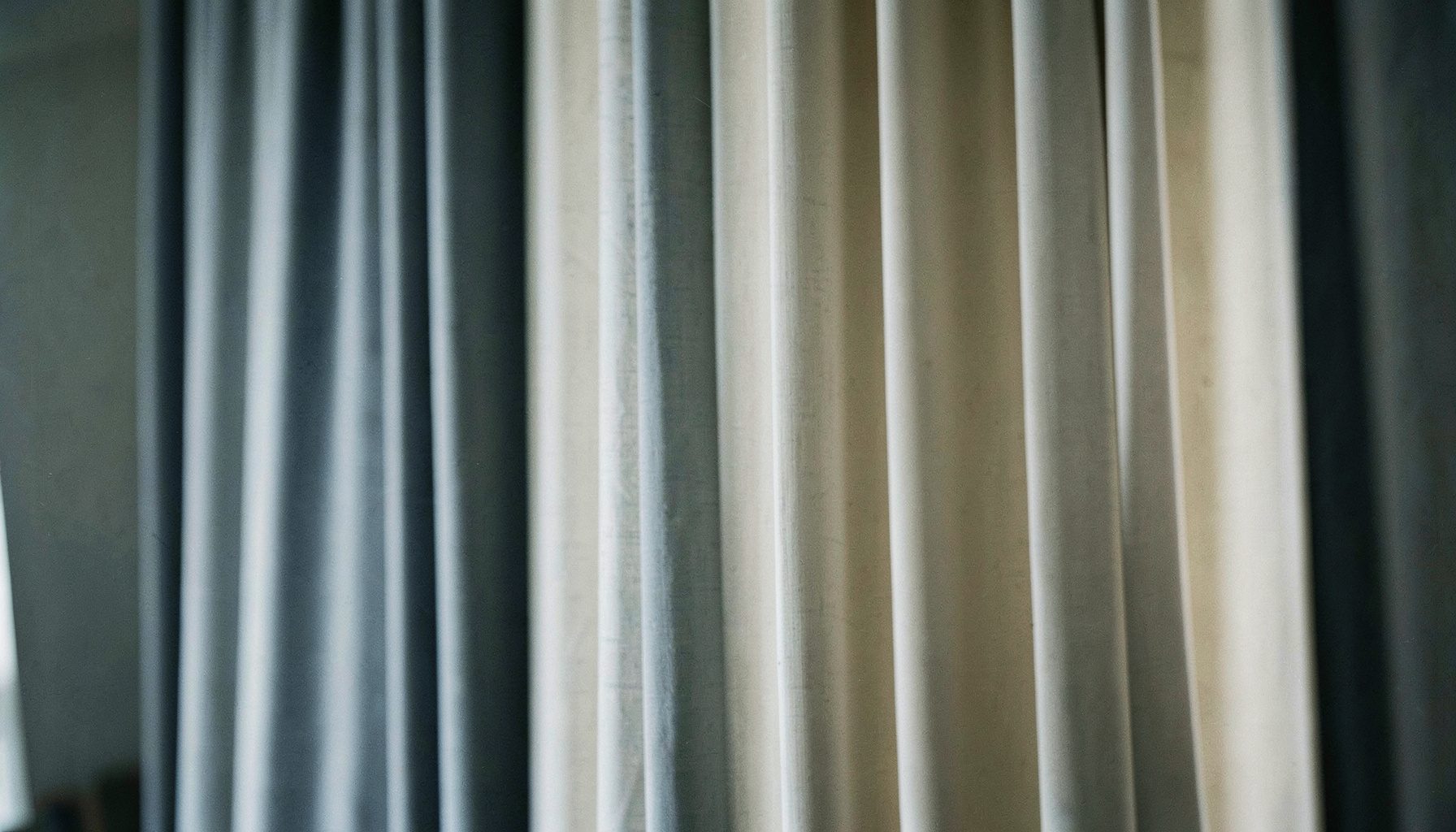
Lined And Unlined Curtains For Australian Homes
Choosing between lined and unlined curtains affects much more than appearance. The curtain construction influences light control, privacy, insulation, fabric longevity and the way a room feels throughout the day.
Unlined window treatments offer a relaxed, lightweight look and allow the character of a beautiful fabric to remain visible from the inside. Lined curtains add an extra layer behind the face fabric, creating a fuller finish and improving performance.
Australian homes often need flexible window coverings. Strong western sunlight in Perth, humid conditions in Brisbane and cooler winter mornings in Melbourne can all influence which curtain style works best.
The right choice also depends on the room, window orientation and purpose. A decorative sheer may suit a living area, while a lined or blackout curtain can be more practical for a bedroom, nursery, hotel room or media space.
How curtain lining changes performance
Curtain lining is a separate fabric attached to the back of the decorative material. It gives the finished panel additional body, helping pleats hang neatly and making the window treatment appear more substantial.
A lining can soften incoming daylight, protect the face fabric from direct ultraviolet exposure and improve privacy after dark. It may also reduce draughts around windows, although the result depends on the fabric weight, fit and the window itself.
Unlined curtains have a simpler construction. They are often easier to move, particularly across wide windows or lightweight tracks, and they can be a suitable choice when the primary goal is decoration rather than insulation or light management.
When unlined curtains make sense
Unlined panels work well with linen, cotton voile, lightweight prints and relaxed coastal fabrics. Their natural drape can complement the airy interiors commonly seen in Sydney apartments, Queensland homes and beach houses along the New South Wales coast.
They are also useful when daylight is welcome. In a dining room, sunroom or casual living area, an unlined curtain can filter glare without making the room feel enclosed. Pairing it with a roller blind can provide privacy when needed while preserving a soft decorative layer.
Reasons to choose lined curtains
Lined drapes generally have a richer fall and a more polished appearance. The additional layer helps medium-weight fabrics hold their shape, which can be especially valuable for large windows, formal entertaining areas and hospitality interiors.
Lining is also helpful where furniture, flooring or artwork may be affected by intense sunlight. In a Perth room with west-facing glass or a Sydney home exposed to strong afternoon glare, a protective backing can help slow fading and make the space more comfortable.
Blackout and thermal options
Blackout lining is designed to block most incoming light, making it a practical choice for bedrooms, nurseries and home cinemas. It can also support shift workers who need to sleep during the day. For commercial projects, blackout curtains are frequently specified for hotel rooms and resort accommodation.
Thermal lining adds another layer between the room and the glass. It can help reduce heat gain during Australian summers and retain warmth during winter. In Melbourne or Canberra, this may make a noticeable difference near older single-glazed windows, while Brisbane homes may prioritise solar protection and breathable fabrics.
Matching lining to the room
A living room may benefit from a standard lining that protects the fabric while maintaining a welcoming level of daylight. Bedrooms often need blackout or dim-out performance, particularly where street lighting or early summer sunrise affects sleep.
For a made-to-measure solution, explore the custom drapery range to compare fabrics, linings and heading styles. Ordering fabric samples is a sensible step because colour and texture can look different under Australian daylight, warm lamps and cool LED lighting.
Fabric, colour and hanging details
The face fabric still determines much of the room’s personality. Linen-look materials create an easygoing finish, velvet adds depth, and patterned cotton can bring character to a child’s room or heritage property. A lining should support that choice rather than compete with it.
Curtain length and fullness also matter. Full-length panels can make standard-height ceilings feel taller, while generous fullness produces softer folds. Decorative rods suit visible hardware, whereas tracks create a cleaner appearance. For restaurants, bars and accommodation venues, coordinated window treatments can reinforce the overall interior concept; broader venue design ideas may also help with planning a cohesive atmosphere.
Measuring, care and long-term value
Measure the window recess, desired rod or track width and finished drop before selecting a curtain style. Mounting the hardware wider than the frame allows the panels to stack beside the glass, helping preserve the available view and daylight when the curtains are open.
Care instructions vary by fabric and lining. Regular gentle vacuuming with a suitable attachment can remove dust, while professional cleaning may be recommended for delicate or heavily structured panels. Quality workmanship and accurate installation help lined and unlined curtains maintain their shape for years.
Request fabric samples, compare lining options and use measuring guidance before placing an order. With a carefully chosen combination of fabric, lining and hardware, your curtains can provide the privacy, comfort and visual finish needed for an Australian home or commercial space.