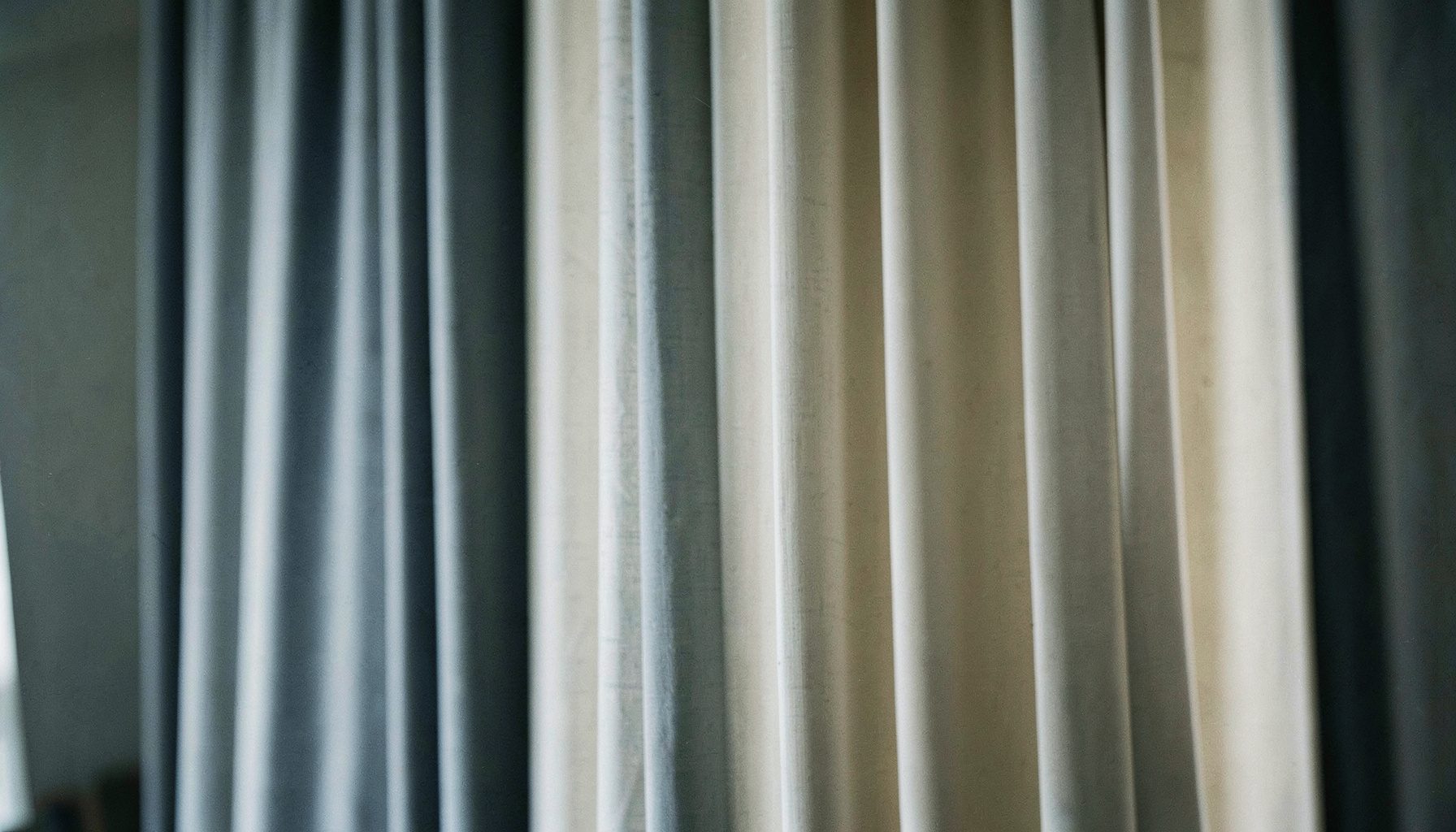
Choosing durable drapery fabrics for busy commercial spaces
Australian commercial interiors face mounting pressure on window furnishings. From boutique hotels in Melbourne's theatre quarter to large-scale healthcare facilities in Brisbane and corporate towers in Sydney's CBD, treatments must withstand constant use while retaining a refined appearance. High-traffic environments demand textiles that resist wear, fading, and staining without sacrificing style. Specifiers across the country are prioritising fabric performance alongside visual impact.
The continent's diverse climate zones add another layer of complexity. Coastal humidity in Perth, intense UV exposure across Adelaide and the inland regions, plus the cooler, wetter conditions of Hobart all influence how materials age. Choosing the right drape is about matching fibre technology to local environmental realities as much as it is about colour and texture. A fabric that thrives in a Darwin resort may behave very differently in a Canberra office tower.
Commercial drapery now serves multiple roles in modern facilities. Beyond decoration, contemporary curtains contribute to acoustic comfort in open-plan workspaces, support patient rest in healthcare settings, and reinforce brand identity in hospitality venues. Many Australian businesses now specify multi-functional fabrics that combine blackout capability with thermal insulation and sound absorption. The right textile selection can lower energy bills, reduce glare, and elevate interior ambience in a single step.
Local manufacturers offer custom production that supports these varied demands. Factory-direct operations enable buyers to request specific weights, linings, and finishes tailored to their facility's operational profile. For procurement teams comparing options, understanding fibre properties is the first step toward a sound long-term investment.
Understanding high-traffic demands
Busy venues place extraordinary stress on soft furnishings, with curtains being opened, drawn, and cleaned far more often than residential equivalents. Tourist hubs such as the Gold Coast and Cairns welcome thousands of weekly guests, while major university campuses in Melbourne and Adelaide host hundreds of daily staff and students. Fabrics specified for these spaces must resist abrasion, pilling, and seam stress over years of service.
Australian safety standards also shape the conversation. Materials used in public buildings often need to meet fire retardancy requirements under Australian Standard AS 1530. Healthcare and educational facilities frequently call for additional certifications covering infection control and cleanability. These compliance layers mean commercial drapery specification is rarely as simple as picking a pleasant pattern.
Polyester blends and their resilience
Polyester remains the workhorse of commercial textiles for good reason. It resists wrinkling, fading, and moisture absorption, and holds its shape through countless open-and-close cycles. Modern polyester blends pair the strength of synthetic fibres with the visual softness of cotton or linen, offering breathability without sacrificing durability. For corporate offices and healthcare corridors, these blends are often the default specification.
Treated polyester fabrics can mimic the look and drape of more expensive natural fibres while delivering superior performance in demanding settings. Many feature built-in stain release technology, allowing spills to be wiped away without permanent marking. This makes them particularly well suited to school classrooms and hospital wards where hygiene is paramount.
Wool and natural fibre options
Wool brings natural resilience and excellent acoustic dampening to commercial interiors. Its inherent structure absorbs sound waves effectively, making it a strong candidate for boardrooms, libraries and hotel lobbies. Wool also regulates humidity and resists flame spread, two valuable traits for Australian venues that must meet fire safety codes. In cooler climates such as Hobart or the Victorian high country, wool drapes add welcome thermal insulation.
Pure wool commands a premium price and may require specialist cleaning, so many commercial projects opt for wool-rich blends paired with synthetic fibres. These hybrids enhance abrasion resistance and reduce overall cost while preserving much of wool's signature appearance and performance. Hotels in Adelaide and Melbourne frequently specify these blends for executive suites and conference rooms.
Acoustic and blackout performance
Open-plan offices in Sydney and Melbourne benefit enormously from sound-dampening fabrics that soften the acoustic hardness of glass and concrete. Heavy, tightly woven textiles, or those paired with specialised linings, can noticeably reduce reverberation and improve speech privacy in meeting rooms. Healthcare facilities and hotels depend on similar technologies to help guests and patients achieve deeper, more restorative sleep.
Blackout capability is achieved through dense weaves, rubberised backings, or separate lining layers attached to the face fabric. A common specification for commercial drapery is a fabric weight of 300 to 450 grams per square metre, delivering both visual blocking and meaningful acoustic absorption. Specifiers should match weight to window size and mounting hardware to avoid sagging over time.
Stain resistance and maintenance
Healthcare and education environments require surfaces that withstand frequent cleaning and accidental spills. Many modern commercial fabrics now feature factory-applied stain-resistant coatings that repel liquids and prevent soils from bonding to fibres. Hospital-grade textiles can endure commercial laundering at higher temperatures, supporting strict hygiene protocols. Reliable sourcing partners such as the Lions Pack help procurement teams identify materials that meet these demanding requirements.
Routine maintenance also matters. Vacuuming with appropriate attachments, prompt spot treatment, and scheduled professional cleaning all extend the life of commercial drapery. Selecting fabrics with removable linings or those that tolerate gentle machine washing can significantly reduce lifetime maintenance costs across a hotel chain or campus portfolio.
Australian climate adaptations
UV resistance is critical for venues exposed to intense sunlight, particularly those in western Sydney, Perth and inland Queensland. Fabrics rated for high colourfastness prevent fading and fibre degradation that would otherwise require premature replacement. Coastal installations face salt air and humidity, which can encourage mildew growth on untreated natural fibres; synthetic blends with anti-microbial finishes address this concern directly.
Fire retardancy remains non-negotiable across most commercial settings in Australia. Sourcing from domestic manufacturers familiar with local compliance requirements reduces project risk and shortens supply chains. Pairing this with a robust lifetime workmanship warranty ensures that any construction defects are addressed by the maker, protecting the buyer's investment over the long term.
Fabric selection considerations for commercial buyers
- Fibre content and expected abrasion rating, with attention to cycle testing data
- Fire retardancy certification aligned with Australian Standard AS 1530
- Light blocking capability suited to the room's function and orientation
- Acoustic performance measured in noise reduction coefficients for shared spaces
- Maintenance protocol including cleaning method, replacement intervals and warranty coverage
Specifying drapery that meets these criteria delivers measurable value across the full lifecycle of a commercial fit-out. Reducing replacement frequency, supporting indoor comfort and upholding safety standards all contribute to a stronger return on investment. Australian buyers ready to explore custom options can review the available textiles and request samples through a knowledgeable local supplier, beginning the path toward window treatments that perform reliably in even the busiest venues.