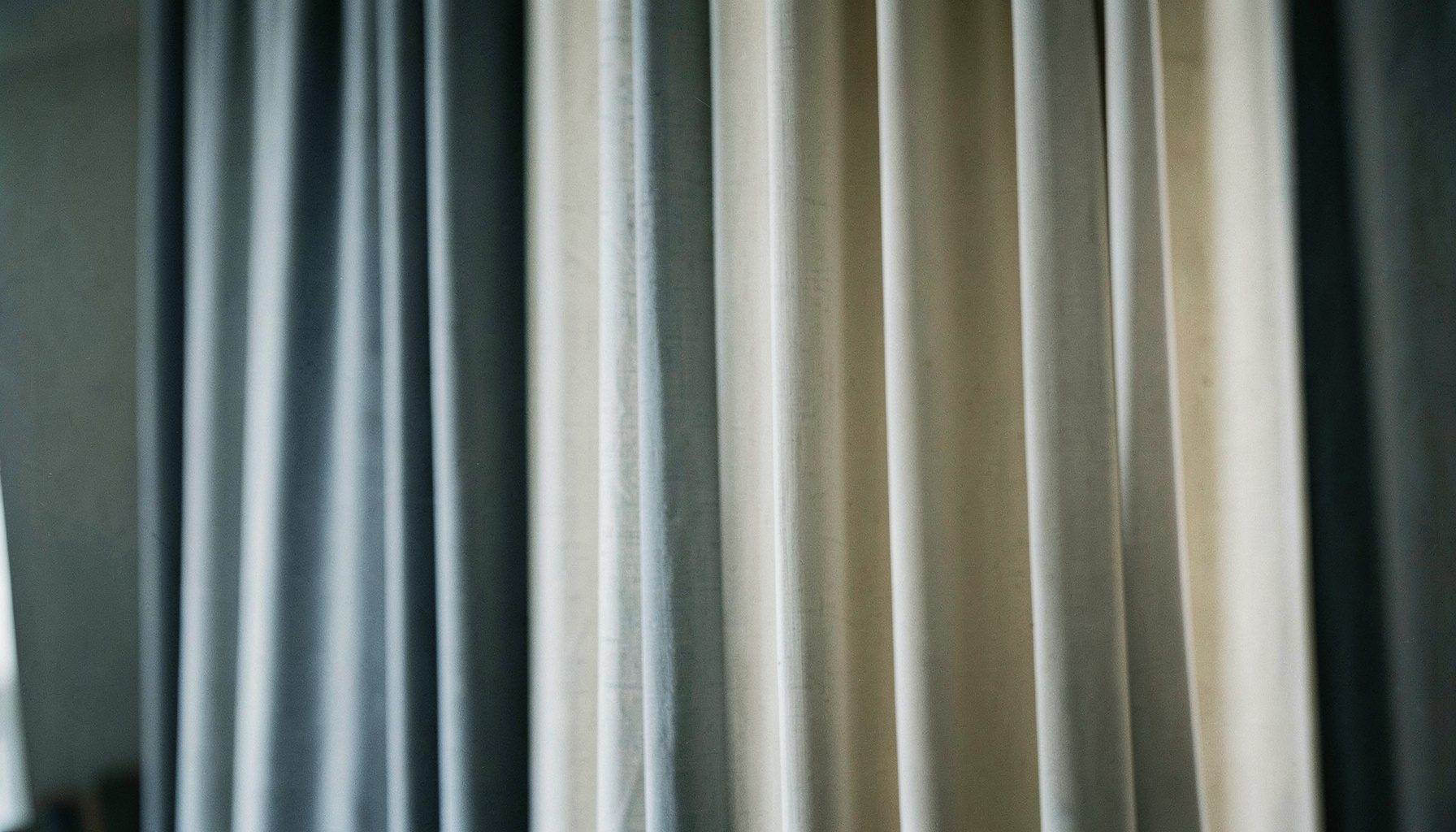
How to Use Drapes to Conceal Unattractive Window Frames
Window frames often get overlooked during renovations, leaving dated timber or flaky aluminium borders staring back at you every morning. Whether you're dealing with a tired Federation-era sash in Sydney's inner west or a chunky 1980s frame in a Brisbane Queenslander, the eyesore can drag down the feel of an otherwise lovely room. Drapes offer a clever, affordable disguise that also lightens the load on your cooling bill during a brutal Melbourne summer.
The trick is choosing the right length, width, and mounting style so the panels do the visual heavy lifting. Read on for practical ways to use drapes to hide unattractive window frames, from quick weekend makeovers to fully custom solutions that suit heritage guidelines and Aussie climate extremes.
Why Drapes Excel at Hiding Flawed Frames
Drapes are uniquely suited to camouflaging problem frames because they're essentially a large, soft surface that draws attention away from structural details. A well-hung panel can hide warped timber, peeling paint, and even mismatched frame colours without anyone noticing what sits behind the fabric.
For owners of older Australian homes, this matters a great deal. Many pre-war bungalows in Adelaide or workers' cottages in Melbourne come with original window frames that local councils won't let you replace. Covering them with floor-length drapes keeps the heritage character intact while creating a fresh, modern look above and around the window opening.
The flexibility of drapes also means you can adjust them throughout the arvo to control light and privacy, something plantation shutters simply cannot match. Because the fabric moves, the eye follows the folds rather than the square frame tucked beneath.
Picking the Mounting Height and Width
The biggest mistake people make when trying to hide window frames is hanging drapes too close to the glass. Mounting the rod or track 10 to 15 centimetres above the frame, and extending it 15 to 20 centimetres beyond each side, instantly makes the window appear larger while sweeping the unsightly edges out of sight.
In rooms with low ceilings, a high mount creates the illusion of height, which is especially helpful in Queenslander-style homes where the original windows often sit awkwardly beneath decorative arches. Pair this with rings or pinch pleats that stack neatly against the wall, leaving the frame completely concealed when the drapes are drawn.
Width matters just as much. Panels that are too narrow bunch in the middle and leave the frame exposed. Aim for fabric two and a half to three times the width of the window itself so the pleats stay full even when closed.
Choosing Fabrics That Disguise Imperfections
Heavyweight fabrics are your best friend when covering unattractive frames because they hang straight and block sightlines. Linen blends, velvet, and densely woven cotton all drape cleanly and absorb light, masking any colour contrast between the frame and the wall.
In sunny Australian climates, insulating or blackout linings serve a double purpose. They hide the frame, deflect UV that fades your carpet, and keep heat out during a stinking hot January afternoon. Many Sydney homeowners pair a sheer face fabric with a separate blackout lining on a double track, giving them daytime privacy without sacrificing the soft, airy feel.
Avoid flimsy sheers by themselves if your aim is concealment. They tend to cling to the frame and reveal every bump and bracket. Layer them instead, or save them for a top treatment and keep a denser panel as the main cover.
Valances and Cornices as Built-In Camouflage
Valances are often overlooked but they are arguably the fastest way to hide a damaged upper frame. A simple scalloped or straight valance sits across the top of the window, drawing the eye to a clean, intentional line that has nothing to do with what's underneath.
Cornices take this one step further by providing a rigid pelmet that frames the window like a picture. They work particularly well in commercial settings, such as hotel rooms along the Gold Coast, where the goal is creating a polished, uniform appearance across dozens of identical windows. Homeowners can achieve a similar effect with a soft pelmet board covered in the same fabric as the drapes.
Both options also conceal the track, brackets, and any unsightly mounting hardware, leaving only the soft fall of fabric visible.
Layering Panels for Full Coverage
Layering is where drapery really shines against problem frames. A simple sheer behind a heavier decorative panel lets light filter through while the front fabric does the hiding. This technique works beautifully in Adelaide's older villas, where the back sheer softens harsh afternoon sun and the front panel masks the entire frame assembly.
For homeowners wanting a more sculpted look, mastering the right pleating method can add architectural interest. Learning to create wave folds at home offers a clean, contemporary finish that holds its shape over years of use, and the consistent spacing disguises any irregularity in the underlying frame.
When layering, make sure the back panel is wider than the front so the sheers wrap fully around the edges when closed. Otherwise, daylight sneaks in and reveals the very borders you're trying to hide.
Colour and Pattern Strategies
Colour plays a powerful role in redirecting attention. Painting the wall behind the drapes in a tone that matches the fabric lets the panels blend with the room, while a contrasting wall colour frames the drapes and makes the window look intentional rather than hidden.
Bold prints can also work, provided they don't compete with the rest of the room. A large-scale botanical or geometric pattern pulls the eye toward the fabric and away from the border of the window. This trick is popular in modern Perth apartments, where sleek concrete frames look striking against oversized printed drapes.
If you're unsure how a chosen fabric will look against your existing décor, preview combinations before ordering by exploring a virtual room designer. Uploading a photo of your window lets you test colours, lengths, and mounting styles in minutes, saving both money and frustration.
Custom Made Solutions for Unusual Frames
Not every window is a standard rectangle, and that's where custom drapes come into their own. Arched windows, circular portholes, and angled eaves — common features in Queenslander renovations — each require tailored panels that follow the exact shape of the opening.
Custom measurements also solve persistent problems such as uneven floor levels, unusual frame depths, and heritage restrictions that limit what you can physically alter. Australian suppliers can match specific drops to the millimetre, sew matching valances, and supply coordinating tiebacks in the same fabric.
If your home has odd-sized windows that standard off-the-rack panels simply cannot accommodate, custom solutions keep every line clean and every frame hidden.
Whether your window frames are chipped, dated, or just plain awkward, the right drapes can transform them into a feature rather than a flaw. Browse the full range of custom-made curtains, valances, and decorative rods online, order fabric swatches to check colours against your walls, or chat with a drapery specialist to plan your perfect fit. A lifetime workmanship warranty backs every panel, so you can drape with confidence.