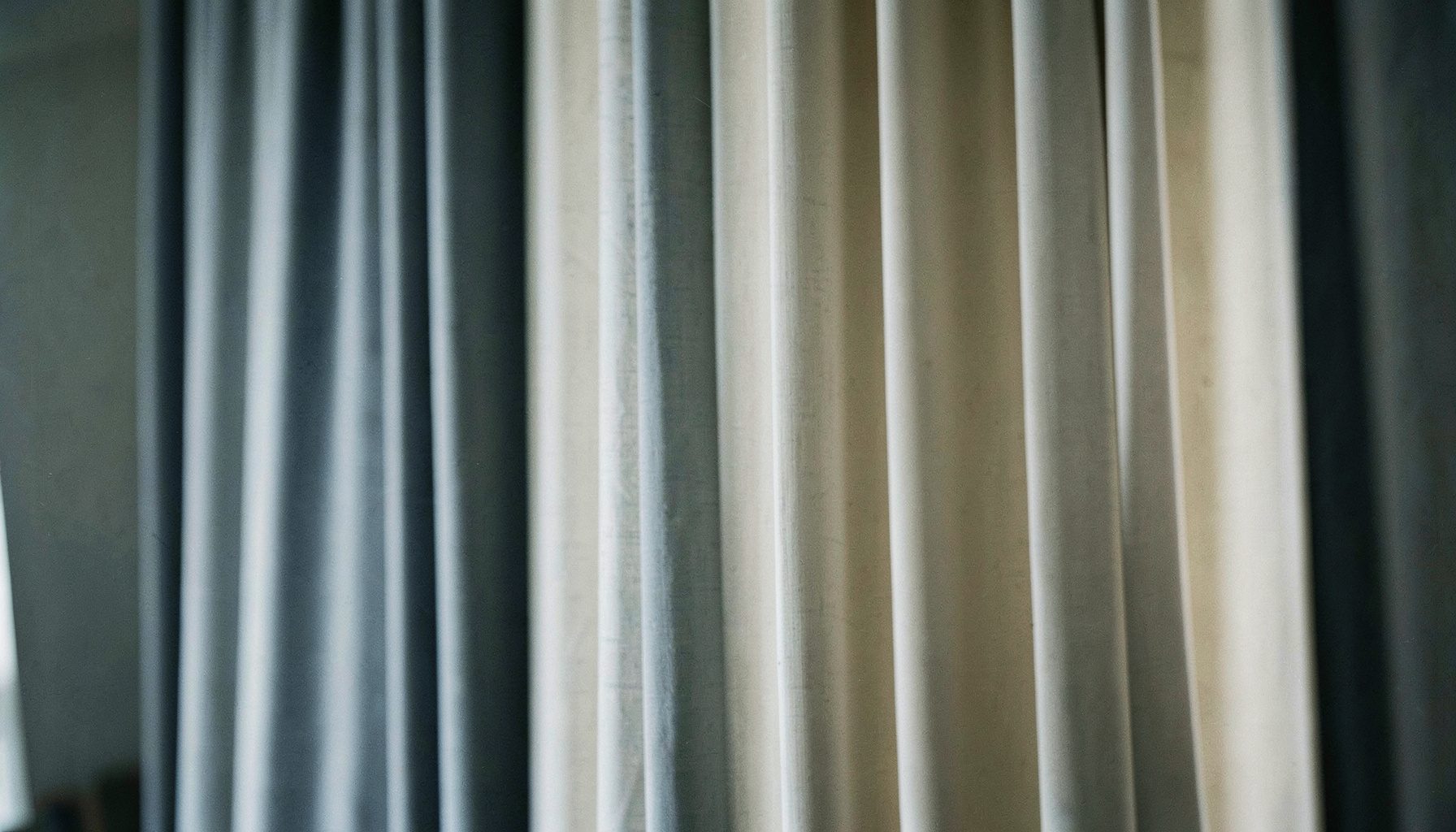
How to Select Non-Toxic and Eco-Friendly Curtain Fabrics
Choosing curtains involves more than matching a colour to the sofa. Fabric composition, dyes, coatings, flame treatments, manufacturing practices and end-of-life disposal can all affect indoor air quality and environmental impact.
For Australian homes, the decision is shaped by intense sunlight, warm summers and a strong preference for practical window furnishings. A breathable linen may suit a Melbourne living room, while a tightly woven, lined curtain can help reduce heat gain in a west-facing Sydney apartment.
Look for clear product information rather than broad claims such as “natural” or “green”. Fibre content, certification details, lining materials and care instructions provide a more reliable basis for comparison. A transparent supplier such as Factory Direct Drapes can also help with samples and custom specifications.
A sustainable choice should work for the room, the climate and the people using it. Durability matters because a long-lasting curtain usually has a lower overall footprint than a cheaper product that needs replacing after a few seasons.
Examine The Fibre Content
Natural fibres such as organic cotton, linen, hemp and wool are popular choices for low-impact interiors. Linen and hemp are especially durable and can develop an attractive texture over time. Organic certification can reduce concern about agricultural chemicals, although the finished fabric may still contain dyes, finishes or blended fibres.
Recycled polyester can be a practical alternative where resistance to sunlight, wrinkling and moisture is important. It is not biodegradable, but using recovered material can reduce reliance on virgin petroleum-based fibres. Check whether the recycled content is documented and whether the curtain can eventually be separated from its lining and hardware.
Check For Safer Finishes
Curtains may be treated for stain resistance, wrinkle control, water repellency, mould resistance or flame retardancy. These finishes can be useful in commercial interiors, but they may introduce additional chemicals into a bedroom or nursery. Ask whether the fabric is untreated, low-emission or free from specific substances such as PFAS, formaldehyde-based resins and heavy-metal dyes.
Certifications can make product claims easier to assess. OEKO-TEX Standard 100 focuses on harmful substances in the finished textile, while GOTS covers organic fibre requirements and wider processing criteria. These labels do not mean a product has zero environmental impact, so read the scope of the certification and confirm that it applies to the fabric, lining and accessories.
Match Fabric To Australian Conditions
Sun exposure is a major issue in Australian homes. Rooms with north- or west-facing windows in Brisbane, Perth or Adelaide may need a dense weave, lined construction or solar-control lining to slow fading and heat transfer. A fabric sample placed in the actual window can reveal how quickly colour changes under local light.
Ventilation and moisture also influence fabric choice. In tropical areas such as Cairns, lightweight washable curtains may be more suitable than heavy textiles that retain humidity. Select mould-resistant construction through good airflow and regular cleaning rather than relying automatically on chemical antimicrobial treatments.
Consider Linings And Hardware
A sustainable curtain can lose some of its environmental advantages if it uses a difficult-to-recycle PVC lining or excessive plastic packaging. Ask about cotton, recycled polyester or solution-dyed acrylic linings, and check whether blackout performance comes from the weave, a bonded layer or a separate backing.
Hardware deserves attention as well. Metal rods, rings and brackets can often be reused when curtains are replaced, while sturdy stitching supports repairs and alterations. A well-made custom panel can be resized for another window, reducing waste during a renovation or house move.
Verify Ethical And Environmental Claims
Terms such as “eco-friendly”, “green” and “natural” are not enough on their own. Look for specific information about fibre origin, factory location, energy use, recycled content, packaging and worker standards. In Australia, the Australian Consumer Law requires businesses to avoid misleading environmental representations, so claims should be accurate and supportable.
A local supply chain may reduce transport stages, but distance is only one part of the impact. A durable imported fabric with responsible certification can compare favourably with a short-lived local product. For a broader low-waste household approach, resources such as seed-saving guidance illustrate how careful purchasing and reuse can support more sustainable everyday habits.
Balance Health, Performance And Cost
The safest-looking fabric is not always the best choice if it fades quickly, traps heat or needs frequent replacement. Consider the entire service life: manufacturing, transport, cleaning, energy savings, repairs and disposal. Thermal curtains may cost more initially while helping reduce air-conditioning use during an Australian summer.
Custom sizing can also prevent excess fabric and improve insulation around the window. Before ordering, compare a made-to-measure option with ready-made panels and review the practical differences in custom drapes and curtains, especially if the room has unusually tall windows or awkward architectural details.
A Practical Fabric Selection Checklist
Use the following checks before committing to a fabric sample or full order:
- Confirm the exact fibre composition, including the lining and backing.
- Prefer recognised certifications with a scope that covers the finished textile.
- Ask whether stain-resistant, flame-retardant or antimicrobial treatments are present.
- Test samples in the room to assess colour, opacity and sunlight exposure.
- Choose washable or repairable construction suited to the household.
- Check whether rods, rings and packaging can be reused or recycled.
- Compare expected lifespan and energy performance with the purchase price.
Request samples, read the care label and ask for written answers about finishes and certifications. With careful selection, your curtains can support healthier indoor air, lower resource use and comfortable Australian living for many years.