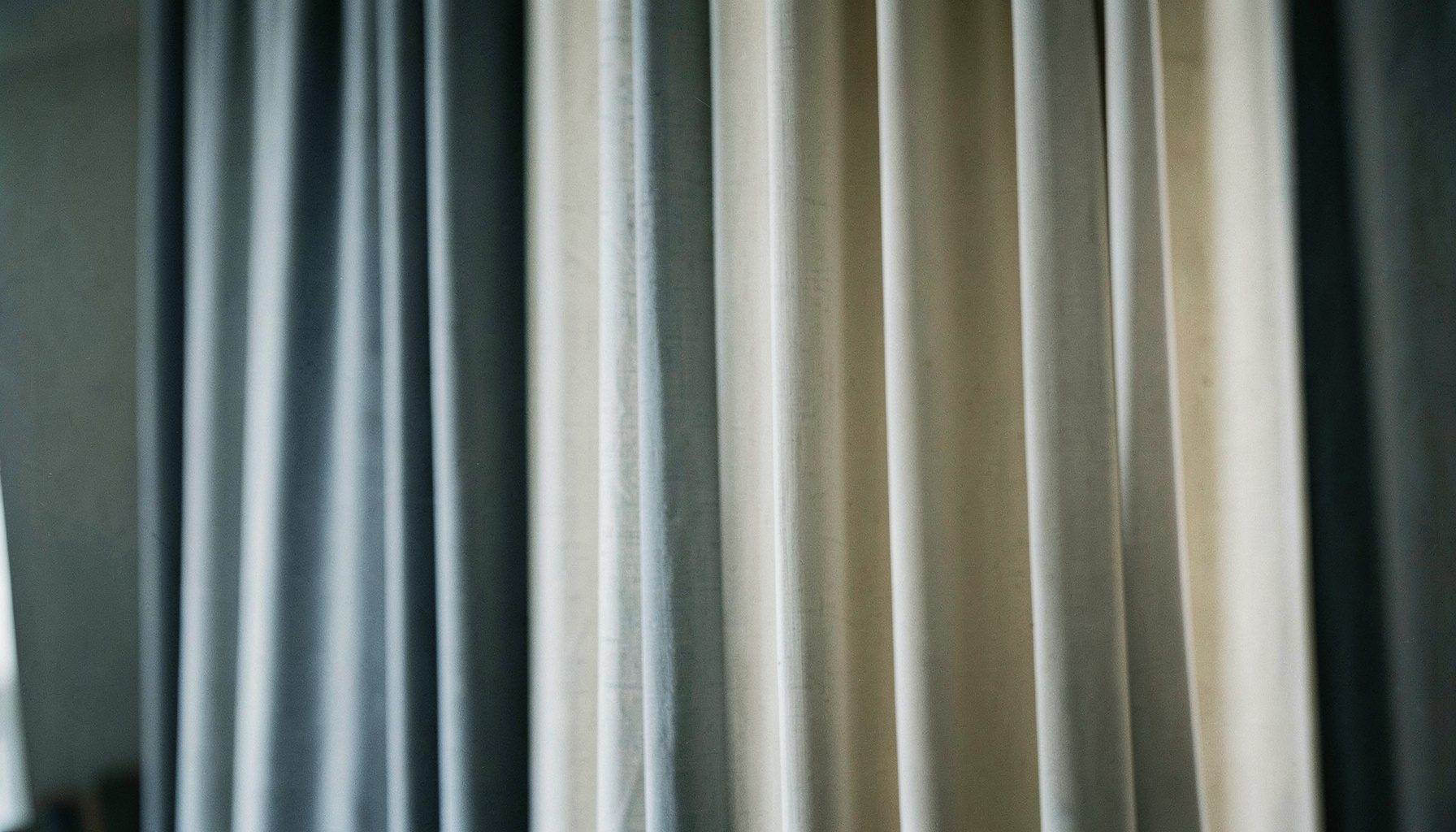
How to Order Fabric Samples and Make the Most of Them
Ordering fabric samples lets you judge curtain material before committing to a large made-to-measure order. A swatch reveals far more than a product photograph: you can assess colour, texture, weight and how the fabric catches daylight in the room where it will hang. This is especially valuable for Australian homes with large windows, sliding doors or strong afternoon sun.
Treat each sample as a test rather than a tiny decoration. Note what changes when you hold it near your walls, furniture and existing blinds. The most useful sample set connects directly to your measurements, light conditions and preferred curtain style, helping you avoid paying for fabric that looks convincing online yet feels wrong at home.
Build a Focused Sample Shortlist
Begin with a room brief for each space. Record the window position, approximate size, direction of sunlight and existing furnishings, then note the level of privacy you need. Include any roller shutters, vertical blinds or sliding-door tracks already in the room. Many Australian homes pair standard blinds with made-to-measure drapery, so your sample should coordinate with familiar fittings rather than compete with them.
Choose a small group of materials with a clear purpose. Compare two colours in your preferred palette, one texture such as a linen-look weave or textured dobby, and one sheer if you want layered curtains. A set of four or five well-chosen swatches is easier to compare than a large collection of similar whites. When ordering, check the sample fee, delivery time and whether the cost is credited against your final curtain purchase.
Understand Fibre, Weight and Light Performance
Read the fibre content and construction details before focusing on colour. A fabric’s weight and weave influence how it hangs, while polyester blends generally suit busy homes with easy-care needs. Natural fibres can provide a relaxed texture, though their cleaning and lightfastness may require more attention. Ask for care instructions and compare the samples under the same lighting rather than relying on different rooms.
Light performance deserves particular attention in Australian conditions. West-facing windows in Perth, Brisbane and Sydney can receive intense afternoon sun, while Melbourne and Hobart homes may need curtains that work across sharply changing seasons. Light-filtering curtains soften glare, sheer fabric preserves brightness and lined blackout curtains offer greater control. Check whether a product makes specific UV-protection claims; a dark colour alone does not guarantee them.
Inspect Every Swatch in Natural Light
Handle each swatch gently and examine both sides. Hold it up to a window, let it fall over your hand and check how the edge behaves. A fabric with a crisp weave may hold a structured wave or pleat, while a softer material can create relaxed folds. Rub the surface lightly to understand its texture, and look for differences in colour, thickness or finish that might become more noticeable across a full curtain.
Place the samples in the intended room and view them at different times. Morning light can make cool greys look bluish, while warm evening bulbs may add yellow tones. Compare them with your sofa, timber floors, rug and wall paint. Photographs taken on your phone help you record comparisons, while a virtual room designer can help with arrangements. The physical sample should remain the final guide.
Match the Fabric to Your Curtain Heading
Use your swatches to compare heading options such as pinch pleats, wave folds, grommets or clip-on designs. The heading changes the fabric’s appearance, so ask how each option affects the required amount of material. A substantial textile may suit a soft gathered heading, while a smooth, lightweight cloth can create cleaner folds. The width and structure of your track should influence the choice.
Decorative curtain rods and matching finials also affect the finished look. Sample the fabric beside different metal finishes, including warm brass, matte black and brushed silver, to see which coordinates with your furnishings. For broader decorating inspiration, collect colour and styling ideas before returning to the physical swatches. Keep the selection grounded in the room rather than choosing a rod and fabric independently.
Measure for a Made-to-Measure Fit
Measure the window opening, the desired curtain drop and the available track or rod span in centimetres. Australian homes often feature builder-standard windows, yet ready-made curtains sold by local homewares stores may still leave gaps beside sliding doors or unusual openings. Record whether the curtains need to clear a sill, stack neatly against a wall or sit inside a recess.
Before placing the final order, confirm the finished dimensions, heading, lining, hem and installation method in writing. Under Australian Consumer Law, businesses must honour clear product promises and guarantees, so retain the product description and any warranty document. If your measurements are complicated, send photographs and sketches to customer support rather than estimating. Ask whether installation resources or fitting guidance are available for your chosen heading.
Turn Samples Into a Confident Order
Keep your swatches labelled by colour, fabric and room. Record the window each one represents, then note your preferred heading, lining and hardware. Review the shortlist once the full set arrives and eliminate any material that conflicts with the furnishings or performs poorly in daylight. Ordering the main fabric only after this comparison gives each decision a practical basis.
Allow enough time for a second look before ordering curtains. Some fabric colours appear different beside stone tiles or dark timber, and sheer samples can look denser when layered over another cloth. Check the estimated production and delivery schedule, especially for made-to-measure pieces and handmade finishes. Factory Direct Drapes manufactures its draperies in America and provides a lifetime workmanship warranty, which makes clear specifications particularly valuable.
Choose your samples, compare them in the room and request any measurement help you need. Browse Factory Direct Drapes to explore fabrics, linings and decorative curtain rods, then order your swatches with a clear plan for your windows.