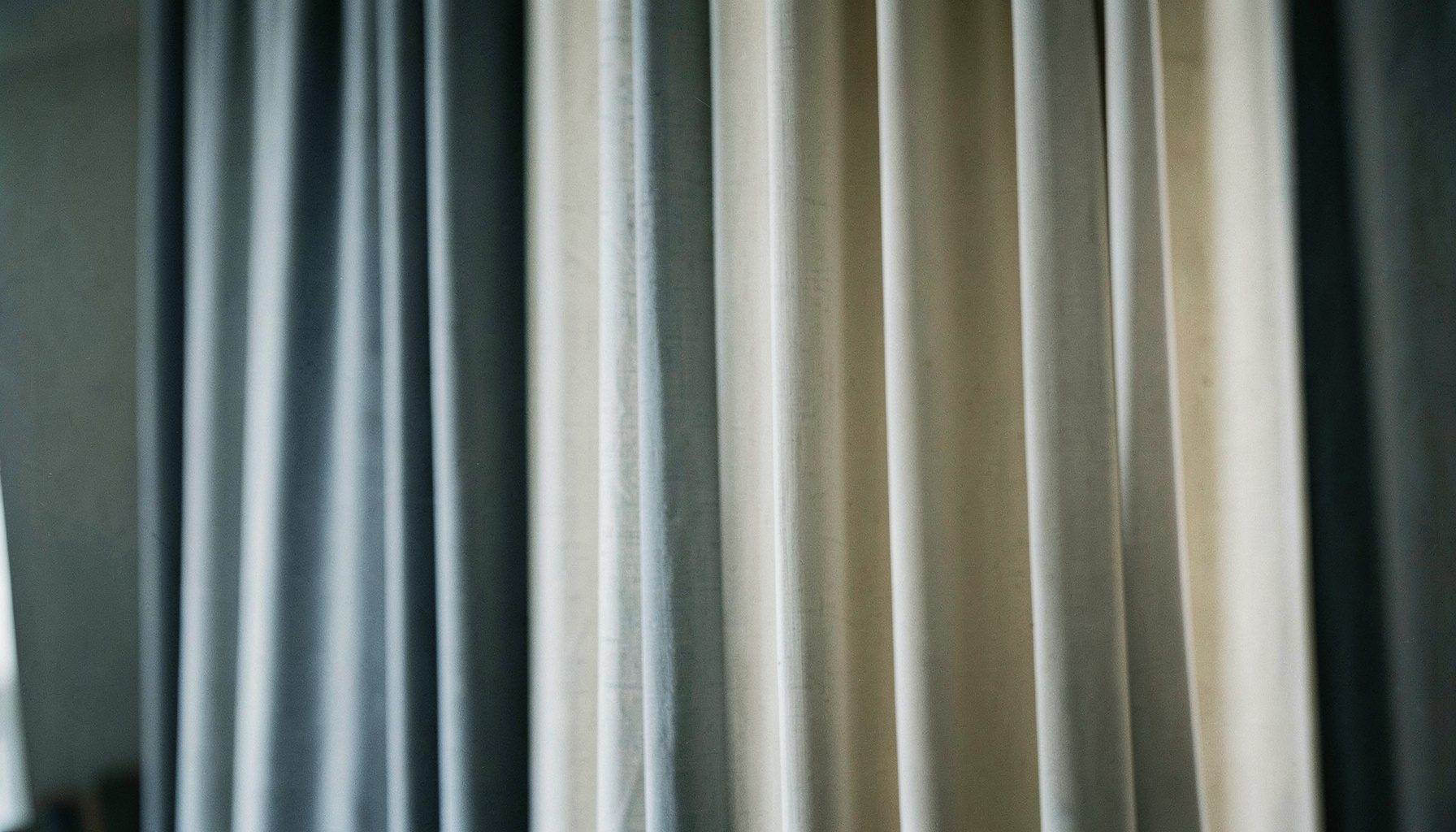
How to Install Drapes on Arched or Unusual Windows
Arched, angled, bay, corner and extra-wide windows can give a room a striking architectural feature, but they also make window dressing less straightforward. Standard curtain rods may leave awkward gaps, restrict the opening, or draw attention away from the shape you want to highlight.
The best approach combines accurate measuring, suitable hardware and a drapery style that works with the window’s movement. Depending on the design, you may install the drapes below the arch, follow the curve with a specialised track, or use separate panels across each section of a bay or corner window.
In Australia, strong sunlight and heat can make fabric selection especially important. A north-facing room in Brisbane, Sydney or Perth may benefit from lined or blackout curtains, while homes in Melbourne and Tasmania may prioritise insulation during cooler months. Before ordering, collect fabric samples and check how the colour looks in your actual light.
Choose The Right Mounting Position
For many arched windows, the simplest solution is to mount a straight curtain rod above the entire opening. Positioning the rod several centimetres above the highest point of the arch allows the panels to cover the window fully when closed and stack clear when open. This method preserves the architectural shape while providing privacy, light control and a conventional drape arrangement.
An outside mount is usually more practical than an inside mount when the window frame is curved or uneven. It also helps reduce light gaps around blackout curtains. Allow enough width on each side for the fabric to return past the frame, particularly where harsh afternoon sun enters rooms in western-facing homes.
Measure Curves, Angles And Projections
Measure the window at several points rather than assuming both sides are identical. Record the overall width, the height at the centre and sides, and the distance from the glass to nearby walls, handles, shutters or furniture. For a bay window, measure each section and note the angle between panels. For a corner window, check how far the rod or track must project so the curtains can pass the corner without catching.
Use a sturdy steel tape and write measurements in millimetres, which aligns with common Australian building and trade practices. Check whether skirting boards, pelmets, air-conditioning vents or security screens will interfere with the finished drapery. If a tradie or installer will fit the hardware, provide a clear sketch with every measurement and the intended curtain stack.
Match Hardware To The Window Shape
A flexible curtain track can follow a shallow arch or gentle curve, making it useful where the drapes need to move around the window rather than hang below it. Custom-bent tracks are suitable for more complex shapes, including bay windows and curved feature walls. Choose a ceiling-mounted track when the arch leaves little space above the frame or when you want a clean, contemporary appearance.
Decorative poles work well for straight sections, divided bays and windows with a strong traditional style. For angled or corner windows, use a passing bracket, corner connector or separate rods designed to let the curtains meet neatly. Heavy lined or insulated drapes require properly anchored brackets, especially on plasterboard ceilings. Use suitable fixings for the wall construction and seek professional installation for large, high or difficult-to-access windows.
Select Fabric For Light And Climate
Full-length curtains mounted above an unusual window often create a calmer appearance than short panels fitted tightly to the frame. Linen-look fabrics suit coastal interiors around the Gold Coast or Adelaide, while velvet, textured polyester and thermal-lined materials can add insulation to homes in Canberra or colder parts of Victoria. Always check the finished fabric width, pattern repeat and fullness before calculating the number of panels.
Blackout lining is helpful in bedrooms, media rooms and nurseries, but it may need a layered treatment if you want daylight during the day. Pairing a sheer curtain with a heavier outer drape gives flexible privacy and softens the outline of an arch. UV exposure can fade furnishings and flooring, so lining is worth considering even when total darkness is not required.
Install And Test The Finished Treatment
Mark the bracket or track positions with a level before drilling. For an outside-mounted rod, keep the distance from the ceiling and side edges consistent unless the architecture requires a deliberate adjustment. Fit the central support before hanging heavy curtains, then attach the panels and check that they glide smoothly without rubbing the arch, wall or window hardware.
Let the fabric hang for a short period before making final tiebacks or folds. Open and close each panel several times, checking that the leading edges meet and that the stack does not block handles or doorways. On tall windows common in newer Australian builds, use a wand or motorised control where reaching the curtain would be inconvenient. Confirm that cords and chains are secured safely, particularly in homes with young children.
Factory Direct Drapes can help turn unusual window measurements into a practical custom treatment, with made-to-order fabrics, lining choices, samples and measuring guidance. Explore suitable drapery styles, use the virtual room designer to compare options, and arrange the hardware and installation resources needed for a polished result.