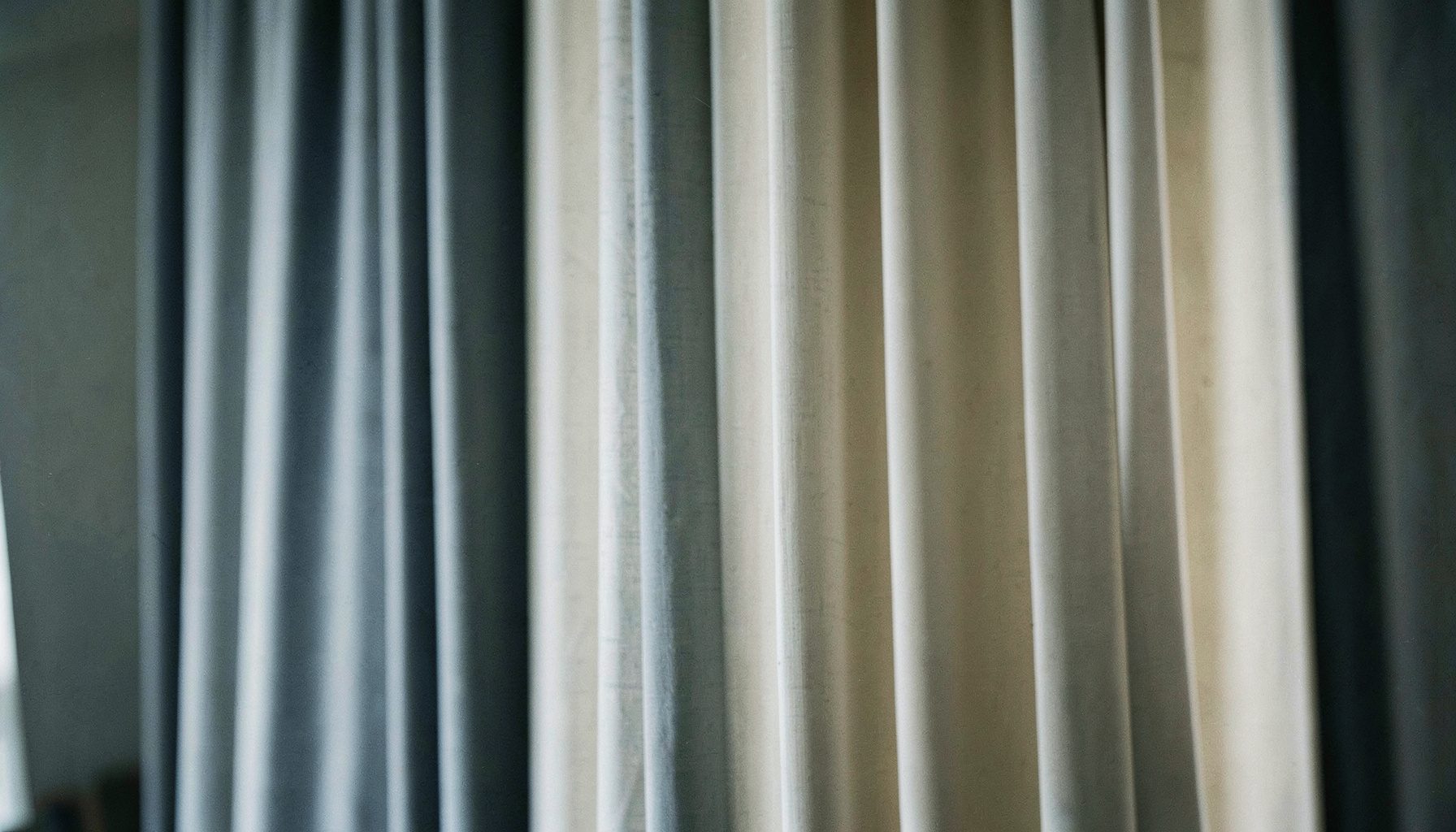
How to clean and maintain your custom drapes
Custom drapes bring softness, privacy, insulation, and visual balance to a room, but their care depends on the fabric, lining, heading style, and finish. A regular cleaning routine keeps curtains looking fresh and helps prevent dust, odours, fading, and permanent marks.
In Australian homes, window coverings often face strong afternoon sun, salt-laden coastal air, ceiling fans, open windows, and seasonal humidity. A linen curtain in Sydney may need different attention from a blackout panel in Brisbane or a velvet drape in a cool Melbourne terrace.
Before using water, detergent, or a steam cleaner, check the care label and any instructions supplied with your made-to-measure window treatments. When in doubt, test an inconspicuous area or use a professional curtain cleaner familiar with delicate and lined fabrics.
Choose the right cleaning method
Start by identifying the outer fabric and the lining. Cotton, polyester, and washable blends may tolerate gentle laundering, while silk, rayon, velvet, wool, bonded blackout fabric, and heavily structured valances often require dry cleaning or specialist care. Interlined curtains can lose their shape if soaked or tumble-dried.
The curtain heading also matters. Eyelets, pleats, tabs, and attached trims may be damaged by aggressive handling. Remove detachable hooks only when the manufacturer allows it, and keep them in a labelled container so the drapes can be rehung correctly.
Remove dust before it becomes grime
Vacuum curtains every few weeks using a clean upholstery attachment and the lowest practical suction setting. Work from the top down, supporting the fabric with your free hand where needed. Pay attention to hems, folds, pelmets, and the area behind furniture, where dust settles unnoticed.
A soft brush or lint roller can lift surface particles from textured fabrics. Avoid shaking drapes indoors, as this redistributes dust through the room. Homes near busy roads in Sydney or Melbourne may need more frequent vacuuming because fine outdoor particles enter through open windows.
Treat spots and spills carefully
Deal with spills promptly by blotting with a white, absorbent cloth. Do not rub, as friction can spread the mark, flatten the pile, or drive liquid into the lining. Work from the outside of the stain towards the centre and avoid soaking the fabric.
Water marks, grease, food, and makeup can require different treatments. A small amount of mild, pH-neutral detergent diluted in cool water may suit some washable fabrics, but never assume the same method works for every panel. Keep a record of the fabric type and care instructions when ordering custom window coverings.
Wash, steam, or dry-clean by fabric
If machine washing is approved, use a gentle cycle, cool water, and a small amount of mild detergent. Wash panels separately from household laundry, avoid bleach, and remove them promptly to reduce creasing. Air-dry them according to the care label rather than placing them in a hot dryer.
Light steaming can refresh suitable fabrics and release minor wrinkles, but keep the steamer moving and away from the surface when the manufacturer advises caution. Blackout and insulated drapes often contain coated layers that can blister, peel, or separate under excessive heat. For a separate hands-on project, careful measuring principles also appear in these surfboard plans, where accuracy protects the finished result.
Protect drapes from Australian conditions
Sunlight is a major cause of fading and fibre damage, particularly through north- and west-facing windows. Use sheer curtains, blinds, shutters, or UV-filtering window film to reduce exposure. Rotate interchangeable panels if their design permits, and keep curtains clear of heaters, cooking steam, and condensation.
In Brisbane, Darwin, and other humid areas, open windows when weather permits and address mould on walls or window frames before it reaches the fabric. Coastal homes from Perth to the Gold Coast may also experience salt residue, so regular gentle dust removal is preferable to allowing deposits to build up.
Build a practical maintenance routine
A simple schedule makes curtain care easier and helps reveal damage early.
- Vacuum fabric and hems every two to four weeks.
- Check cords, hooks, rings, and tracks each season.
- Blot spills immediately with a clean white cloth.
- Inspect sun-facing panels for fading or brittle fibres.
Professional cleaning is sensible when drapes smell musty, show widespread staining, or contain delicate trims and linings. Before booking, tell the cleaner whether the panels are blackout, thermal, interlined, or handmade, and ask how they will be dried and returned to their original shape.
- Wash only when the care label permits it.
- Keep furniture and plants from pressing against the fabric.
- Air rooms regularly to reduce moisture and odours.
- Store detached panels loosely, never tightly folded while damp.
When rehanging cleaned curtains, make sure the track or rod is secure and the folds are arranged evenly. Allow the fabric to settle naturally rather than forcing sharp creases into delicate materials.
For made-to-measure care advice, fabric samples, measuring guidance, and suitable replacement options, explore custom drapery made for the room and its daily conditions. A consistent routine protects the investment, keeps interiors comfortable, and helps custom curtains retain their finish for years.