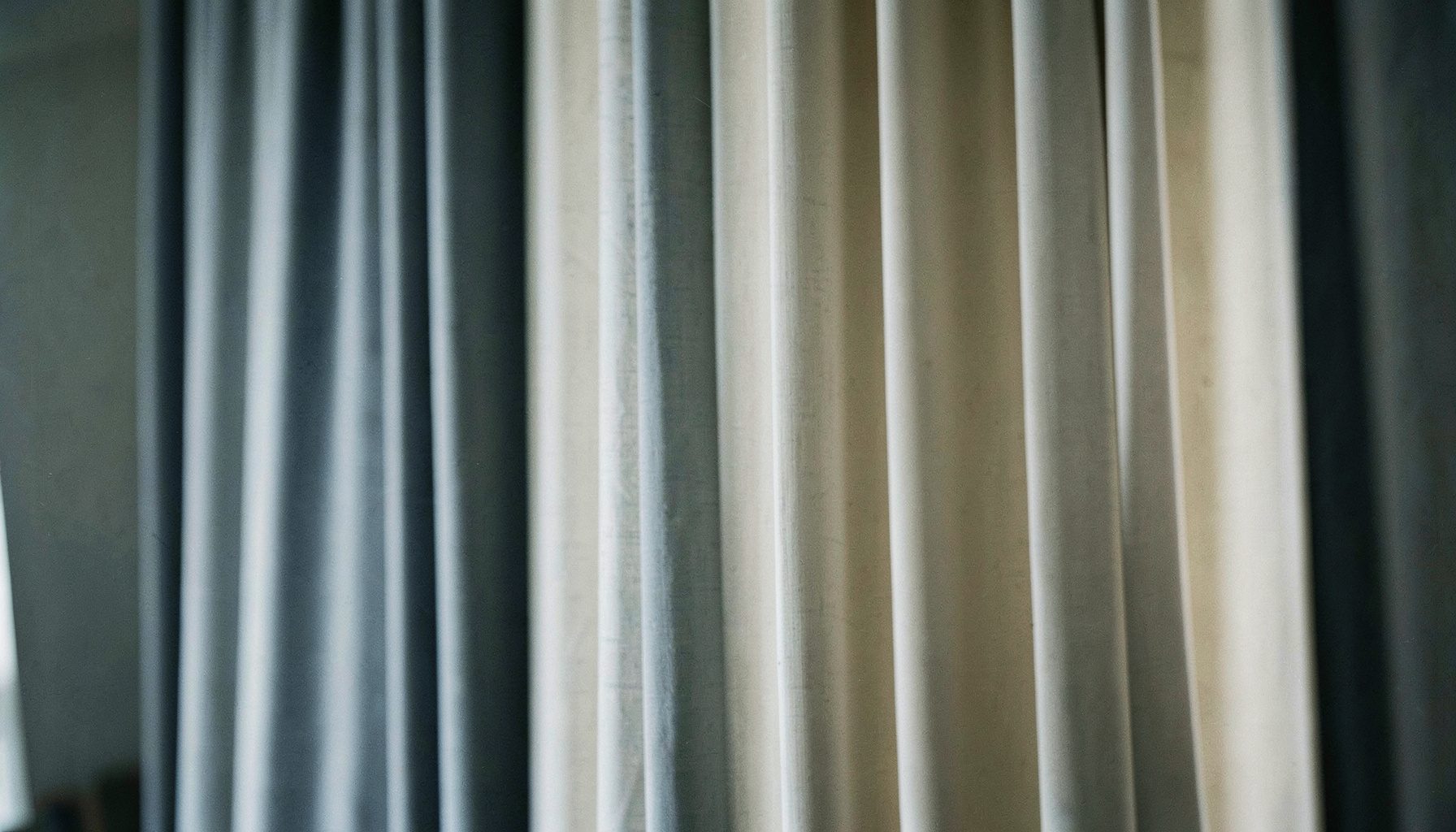
Budget-friendly drapes for a welcoming guest room
When relatives fly in from Perth for a long weekend or friends stay over after a Sydney wedding, a thoughtful guest room makes the visit feel special. Many households still hesitate to spend heavily on a space that sits empty most of the year. Drapes can completely transform a spare bedroom, especially when you approach the project with a clear plan and the right suppliers in mind.
From the sun-soaked verandahs of Queensland to the chilly bedrooms of Hobart, Australian homes face a unique mix of light, climate, and architecture. Picking affordable window coverings that suit these conditions while feeling considered and stylish comes down to knowing where to spend, where to save, and which local realities to keep in mind as you shop.
Setting a realistic budget before you shop
Before browsing endless fabric swatches, decide what the whole window project will actually cost. First-time buyers often forget the extras that quietly inflate the bill: brackets, rings, lining, and the occasional tailor for adjustments. A realistic figure for a small guest bedroom in Melbourne or Brisbane sits between roughly $150 and $400 per window, depending on fabric choice and whether you go custom or off-the-rack.
A practical trick is to draw up three tiers, an essential, a mid-range, and a stretch option, then commit to the middle one unless the value is obvious. Buying factory-direct from a specialist keeps the supply chain short and pricing transparent, which often unlocks the mid-range look without the boutique markup big-name interior stores tend to add.
Measuring and planning around Australian windows
Homes across the country throw up a real mix of window sizes. Queenslanders tend to have tall, breezy openings that need generous drops, while inner-city Sydney apartments often feature narrow sash windows above radiator-style heating vents. Take three measurements across each opening, both width and drop, and note the deepest window frame so you can confirm whether you need wall-mounted brackets or ceiling ones.
Always check the room's orientation too. North-facing guest rooms in Adelaide or Perth can become uncomfortably hot in summer, so a heavier drape with a thermal lining pays for itself in cooler evenings. South-facing bedrooms in Hobart need lighter fabrics to maximise the low winter sun rather than block it. Pair the right fabric weight with the right lining and you keep both heating and cooling bills lower all year.
Picking fabrics that look high-end without the price
The most expensive-looking drapes are not always the most expensive to buy. A cotton-poly blend with a smooth weave and clean pleat reads as calm and tailored, yet usually costs half the price of pure linen. Linen-look polyester has improved dramatically and is now hard to tell from the real thing at a glance.
For guest rooms, neutrals in oat, soft grey, or warm white are forgiving of different décor eras and small fitting mistakes. If your visitor is arriving during a heatwave, look for fabrics rated for UV exposure, because harsh Australian sun fades cheaper textiles quickly. A lined drape in a flexible fabric will hang well, block light for jet-lagged travellers, and still feel light on the wallet.
Smart styles for short-term guests
Pinch pleats and ripple folds suit formal guest suites, while simple pencil pleats or grommets work in relaxed coastal properties around the Central Coast or Geelong. A foolproof look that adapts to any visitor is a flat panel hanging from a slim rod in a calm neutral. Trims, tassels, and bold patterns date quickly, so leave them out unless you have a clear vision.
Think about how the room will actually be used. If your guest might double as a remote worker, a spare corner with a small desk turns the room into a courtesy office. Some homeowners borrow design ideas from guides on ergonomic home setups, including a keyboard tray guide, and pair that work zone with blackout panels so afternoon video calls stay crisp on screen.
Where to save and where to spend
The window treatment is one of the few places where spending on hardware pays off. A solid rod, smooth-glide rings, and well-fixed brackets elevate even the most affordable panels. Save on elaborate headings, fancy linings beyond a basic thermal option, and complicated mounting systems an electrician will charge you to install.
Indoor plants, a quality lampshade, fresh linen, and good towels are usually a smarter spend than embroidered fabrics, because they are what guests actually touch and notice. Pairing modest drapes with considered bedding creates the impression of a thoughtful retreat rather than a hastily tidied spare room.
DIY touches that elevate budget drapes
A few inexpensive adjustments can lift off-the-shelf panels significantly. Hemming to the correct drop stops that awkward puddle on the floor, while iron-on hem tape does the job in under an hour. If you have basic sewing skills, adding discreet weights inside the hem helps panels hang better in breezy rooms close to the coast, where sea air can lift lightweight curtains during summer storms.
A weekend trip to a local market, like the Finders Keepers in Melbourne or a community bazaar in Fremantle, often surfaces vintage fabric offcuts that work beautifully as cushion covers or tiebacks rather than the matching piece from a big-box shop. Mixing handmade details with store-bought panels is a signature Australian look, easy, unfussy, and personal without spending more.
Caring for your drapes so they last longer
Budget drapes still deserve care, because premature replacement is the real cost no one budgets for. Vacuum panels weekly with a soft brush attachment, rotate the fabric side facing the window each season, and wash or dry-clean according to the care label rather than guessing. A quick press along the leading edge restores a crisp line visitors notice immediately.
Keep an eye on sun-fade near north-facing windows. A discreet sheer behind the main drape halves the UV exposure, extending the colour life of both layers. With a little routine upkeep, even modest curtains can look fresh for a decade, making that initial outlay feel modest spread across many guest stays.
Designing drapes that suit both your visitor and your wallet does not need a big budget, only a clear plan. Order a free sample pack, sketch the measurements you noted earlier, and browse the custom ranges that ship nationwide from Factory Direct Drapes. A short conversation with the support team turns a confusing afternoon of scrolling into a confident choice, and your next guest will arrive to a room that feels genuinely welcoming.