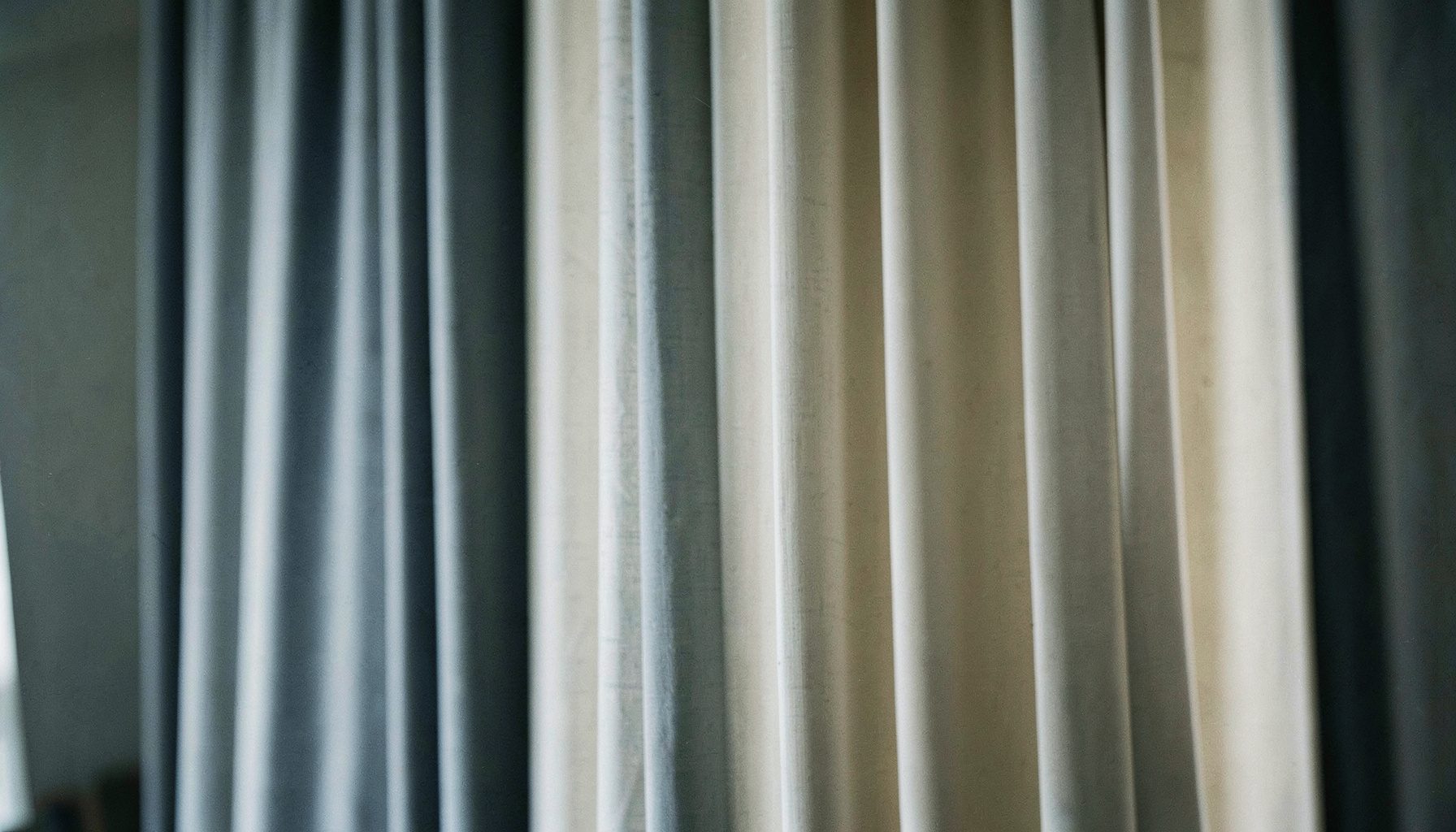
Choosing curtain lengths that suit every room style
Picking the right curtain drop can transform a room, yet many Australians order drapes without thinking through how length shapes the mood. In heritage Queensland cottages, Sydney apartments, and compact Melbourne townhouses alike, the way curtains fall to the sill or floor changes how tall the ceiling feels. With harsh Australian sun pushing through west-facing windows, length becomes more than a styling choice.
The ideal drop depends on window height, floor type, furniture placement, and how you use the room. The guide below walks through the main curtain length options and how each one works with the spaces Australians live in most.
Standard curtain lengths explained
Most curtain drops fall into classic categories. Sill length finishes a couple of centimetres above the window sill, suiting kitchens and bathrooms. Apron length ends roughly fifteen centimetres below the sill for a softer line. Floor length, the most popular choice, kisses the floor or stops one centimetre above it. Puddle length gathers several centimetres onto the floor for formal settings but needs more fabric.
Short drops make ceilings appear lower, fitting cottage windows in places like Adelaide's stone villas or older Brisbane homes. Long drops draw the eye upward and suit tall windows in newer Perth apartments. Pairing length with the right drapery header styles makes a noticeable difference to how the fabric sits and stacks.
Living room and open-plan lengths
Floor-length curtains create a relaxed, elegant mood that suits Australian family life. A drop that just brushes the carpet feels tailored, while a slight break of two centimetres gives a softer finish. In Sydney's harbour-view apartments and Melbourne's inner-north terraces, this length pairs with sheer underlayers that filter harsh afternoon sun.
For homes flowing onto outdoor entertaining areas, curtains hung slightly higher than the frame and finished just above the floor help frame sliding doors without catching underfoot. Custom sizing from Factory Direct Drapes makes it easier to match unusual ceiling heights common in converted warehouses and Queenslander renovations.
Bedroom lengths for sleep and privacy
Bedrooms call for longer drops that block light from streetlamps and early sunrise, especially in coastal towns where summer days begin before six. Floor length is the standard, with fabric resting gently on the floor or finishing one centimetre above for a crisp line. In children's rooms, slightly shorter drops reduce dust while still providing privacy.
Australian bedrooms often feature large windows to capture cross breezes, making full-length curtains worthwhile. Pairing a heavier blockout drape with a sheer layer offers flexibility for shift workers, parents, and anyone who treasures a quiet Sunday lie-in.
Casual dining, kitchen and home office lengths
Practical rooms benefit from shorter drops that stay clear of benches, sinks, and desks. Sill length is ideal for kitchen windows where fabric needs to stay above the splash zone. In dining areas, apron length adds softness without crowding the table, common in Brisbane and Perth homes where dining sits close to the garden.
For home offices, curtains finishing just below the sill prevent screen glare while softening the room. Light, washable fabrics suit the breezy coastal style along the east coast.
Formal lounges, bay windows and heritage architecture
Formal sitting rooms and heritage interiors suit longer, more generous drops. Puddle length creates a luxurious feel suited to Victorian homes in Melbourne and Sydney's eastern suburbs. Bay windows benefit from custom lengths that follow each angled section, with fabric pooling gently where panels meet.
Federation homes, Queenslanders, and workers' cottages often feature unusual window proportions, making made-to-measure curtains a smart investment. Reading this overview of popular drapery header styles helps match headings to period details like deep pelmets or simple pinch pleats.
Sliding doors, patios and indoor-outdoor living
Sliding doors, French doors, and stacker openings need floor-length curtains that glide past the track without dragging. The drop should stop just above the floor so doors move smoothly, and fabric should stack neatly to one side. In Australia's indoor-outdoor lifestyle, curtains often act as a soft alternative to flyscreens during warm evenings.
For wide openings, multiple panels let one section stay open while the rest frame the view. Lined, blockout fabrics protect furniture from harsh UV and keep rooms cooler during long summer days. Custom-made options suit raked ceilings in new builds and split-level homes common in Adelaide hills and Perth suburbs.
Order fabric samples, take careful measurements from rod to floor, and explore custom curtain options that match your home's character. With the right length in place, every window can frame your view beautifully.