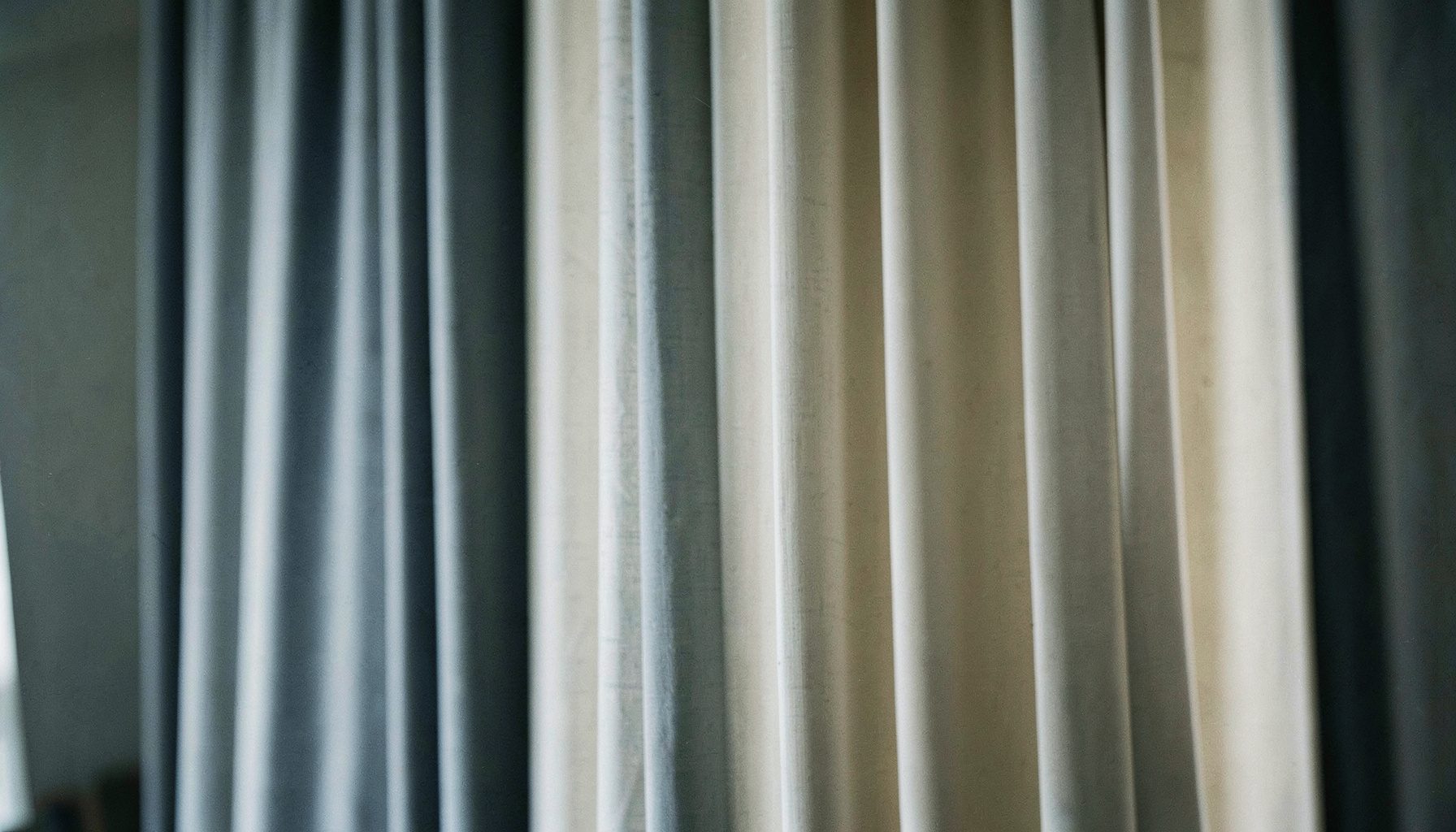
A practical guide to hanging curtain rods and drapes
Updating your window furnishings can completely change the mood of a room, and doing it yourself is far more rewarding than paying someone else to do the drilling. Across Australian homes, from sun-drenched Brisbane apartments to chilly Hobart terraces, the right drapery setup can help block out harsh summer glare, retain warmth in winter, and soften street noise. Before you start shopping for hardware, it helps to understand the basic steps involved so the job runs smoothly on the first attempt.
This guide walks through measuring, mounting, and styling your new curtain rods and drapes, with a few notes tailored to local building styles and regulations. Whether you are renting a small unit in Sydney or renovating a Queenslander, the same principles apply. Along the way, you will find pointers on choosing brackets, avoiding common mistakes, and creating a polished finish that suits Australian conditions.
Gathering tools and planning the layout
A little preparation saves hours of frustration later. Start by assembling a drill, a level, a pencil, a tape measure, a step ladder, and the appropriate screws and wall plugs for your substrate. Most Australian homes feature plasterboard interior walls, brick veneer, or solid timber studs, and each requires a slightly different fixing method. If you live in an older property in Adelaide or Melbourne's inner suburbs, you may also encounter lath and plaster, which calls for careful handling to avoid crumbling.
Before drilling anything, hold the rod up to the window with a friend and visualise the finished look. Decide whether you want the rod mounted inside the recess for a tidy, minimalist appearance, or outside the recess to make the window appear larger and block more light. Outside mounts are particularly popular in Australia because they help reduce the intense afternoon sun that streams through west-facing windows during summer.
Measuring your windows correctly
Accurate measurements are the backbone of any successful installation. Measure the width of the window at the top, middle, and bottom, then use the largest figure as your reference. For the drop, decide whether the curtains will kiss the floor, hover just above it, or puddle slightly for a more formal look. Australian interior designers often recommend curtains that just brush the floorboards, especially in homes with timber flooring in Sydney and Perth.
For the rod itself, a common rule of thumb is to extend it roughly 10 to 15 centimetres beyond each side of the frame. This extra width allows the fabric to stack neatly when open and improves light control. If you are unsure about fabric choices or header styles, take a moment to consider how much fullness you want before ordering your panels.
Mounting brackets and securing the rod
With your measurements locked in, mark the bracket positions using a level. Hold the rod against the wall and slide the brackets along it to find the best placement, then pencil in the screw holes. For plasterboard, use heavy-duty anchors or, ideally, locate the timber studs behind the wall. Brick and concrete require a hammer drill and masonry plugs, which are readily available at any Bunnings Warehouse across the country.
Drill pilot holes first to keep the wall from cracking, then screw the brackets in firmly. A loose bracket will eventually sag under the weight of lined drapes, so make sure each fixing is snug. Once both brackets are secure, click the rod into place and give it a gentle wiggle to confirm it can support the load without shifting.
Hanging the drapes and adjusting the pleats
Most ready-made and custom panels come with a rod pocket, back tabs, or pin hooks. Slip the rod through the pocket, or hook the pins into the rings if your hardware uses them. Step back and adjust the gathers so the pleats are even across the width, with roughly two and a half times the window width in fabric for a full, luxurious drape.
In rental properties, keep in mind that landlords in cities like Melbourne and Canberra generally expect small drill holes to be filled upon vacate. Using adhesive strips or tension rods for lightweight curtains can be a workable alternative if your lease is strict, though they will not support heavier lined fabrics. For deeper insight into selecting the right heading for your panels, take a look at popular drapery header styles and how each one suits a particular room.
Meeting safety standards and finishing touches
Australia has strict regulations around corded window coverings, introduced by the Australian Competition and Consumer Commission to protect children. If your drapes include operating cords, they must be secured out of reach, or you should choose cordless alternatives. Many homeowners now opt for wand-controlled tracks or motorised rods, which also suit large windows in coastal homes around the Gold Coast.
After installation, steam or iron the panels to remove packing creases, then tie back the fabric neatly. A quick vacuum with a soft brush attachment every few weeks keeps dust at bay, particularly important in bushfire-prone areas where ash can settle on textiles. With your new rods and drapes in place, your room will feel calmer, more private, and ready for whatever the Australian climate brings next.
Ready to bring your vision to life? Browse the custom curtain and rod collections at Factory Direct Drapes for fabric samples, measuring guides, and a lifetime workmanship warranty.